
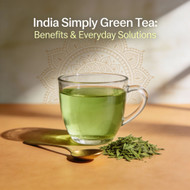
India Simply Green Tea: Benefits, User Pain Points, and Natural Solutions
India Simply Green Tea is a 100% natural green tea sourced from India with a smooth, delicate flavor profile, rich antioxidants, and gentle natural caffeine in 12 unbleached tea bags that brew up to 24 cups. For a general overview of green tea’s health profile, see this evidence‑based guide to green tea benefits.
Key Benefits of India Simply Green Tea
Like other high‑quality Indian green tea, this tea is made from Camellia sinensis leaves that naturally contain polyphenol antioxidants such as catechins, which help protect cells from oxidative stress and support long‑term wellness when part of a healthy lifestyle. A concise scientific overview of these antioxidant effects is available in this green tea literature review (NIH).
Compared with coffee, green tea typically offers less caffeine per cup, creating a gentler lift in focus and energy for work, study, or light activity. You can compare typical caffeine levels in this green tea vs coffee article.
Who Drinks India Simply Green Tea?
Tea consumption data show strong growth among health‑conscious Millennials and Gen Z, urban professionals, and lifestyle‑focused buyers who actively seek products labeled as natural, low‑calorie, and antioxidant‑rich. A useful demographic breakdown can be found in this tea statistics and trends article.
Traditional tea drinkers and older consumers are also experimenting with green tea as an alternative to strong black tea, often because of interest in heart health, metabolism, and weight management. For marketing ideas around these segments, see this tea market segmentation overview.
Most Common User Pain Points
Across demographics, frequent complaints about green tea involve bitterness, weak flavor, unrealistic weight‑loss expectations, caffeine misunderstandings, and worries about packaging materials. Articles such as “4 Reasons Why Your Green Tea Tastes Bad” and “Why Does Green Tea Taste Bitter?” highlight how common brewing‑related issues are.
- Bitterness or harsh taste: Often caused by brewing with boiling water or steeping for too long, which extracts more catechins and tannins.
- Weak or flat flavor: Results from very short steeps or using a single bag in large mugs or bottles without adjusting time or number of bags.
- Over‑promised weight‑loss benefits: Research reviews like this NIH article on green tea effects show that green tea can modestly support metabolic health but is not a stand‑alone fat‑loss solution.
- Caffeine confusion: Some assume green tea is caffeine‑free and drink it late at night, then experience sleep disruptions.
- Packaging and microplastic concerns: Consumers increasingly ask whether tea bags are bleached or contain plastic; see this overview of microplastics in tea bags.
How to Solve Green Tea Pain Points
The simplest way to prevent bitterness is to educate drinkers to use hot but not boiling water and to limit steeping to about two to three minutes for India Simply Green Tea. Practical brewing tips are explained in guides like this green tea troubleshooting article. You can reinforce best practices by adding clear brewing icons to packaging and linking to an in‑depth brewing guide on your own site.
For those seeking stronger flavor, recommend using one bag per standard cup or two bags for larger tumblers while keeping time and temperature the same, which increases flavor intensity without excessive bitterness. Cold‑brew and iced strategies from resources such as this explanation of green tea bitterness can be adapted for your audience.
When addressing weight‑management expectations, present India Simply Green Tea as part of a broader healthy routine rather than a quick fix, echoing the more measured perspective in pieces like this commentary on green tea marketing. On your own site, link to a detailed article that explains how tea fits into an overall lifestyle approach.
To clarify caffeine content, you can reference comparison data from Healthline’s green tea vs coffee guide and then offer an FAQ on your domain titled “Does India Simply Green Tea Have Caffeine?” that targets long‑tail search queries.
Finally, turn unbleached tea bags into a trust signal by explaining that they avoid chlorine bleaching and plastic mesh. Background information in pieces like this article comparing bleached vs unbleached tea bags can help you craft simple, consumer‑friendly language.