Why Organic Hibiscus Tea Deserves a Place in Your Daily Routine
By Ricardo R. Matos
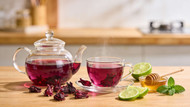
Organic hibiscus tea is a naturally caffeine-free herbal infusion made from the dried calyces of the Hibiscus sabdariffa flower, known for its tart, cranberry-like flavor and vivid ruby-red color.
This vibrant tisane may support heart health, provide antioxidants, and help maintain healthy blood pressure levels when enjoyed as part of a balanced lifestyle.
Top Reasons to Choose Organic Hibiscus Tea
- Heart-healthy choice: Human studies suggest hibiscus tea can help lower systolic and diastolic blood pressure and may support healthy cholesterol levels.
- Packed with antioxidants: Hibiscus is rich in flavonoids, anthocyanins, and vitamin C that help combat oxidative stress and inflammation.
- 100% caffeine-free: Because hibiscus is an herbal infusion rather than a true tea, it contains no naturally occurring caffeine, making it suitable day or night.
- Versatile flavor: Its tart, fruity profile is delicious served hot with honey and lime or iced as a refreshing, thirst-quenching beverage.
- Simple to brew: Steeping dried hibiscus in freshly boiled water for 5–10 minutes typically yields optimal color, flavor, and aroma.
If you have been searching for a vibrant, wellness-focused beverage that tells a story with every sip, organic hibiscus tea is a compelling option.
Hibiscus-based drinks appear in Egyptian, African, Latin American, Caribbean, and Asian traditions, where their bold color and tangy flavor are celebrated in everyday life and special occasions alike.
However, not all organic hibiscus teas are created equal, so understanding quality, sourcing, and labeling helps you get the most from every cup.
This guide covers what defines a high-quality organic hibiscus tea, how to brew it for maximum flavor, which health benefits and precautions to know, and creative ways to enjoy it hot or iced.
Ricardo R Matos, founder of Tea The World, works directly with tea growers who prioritize sustainability and organic practices to bring premium hibiscus infusions to discerning tea drinkers.
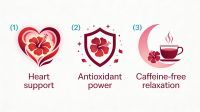
Key Organic Hibiscus Tea Benefits at a Glance
What Makes Hibiscus Tea a Global Favorite?
When people think of tea, they often picture black, green, white, or oolong varieties made from the Camellia sinensis plant, but hibiscus is a herbal tisane crafted from Hibiscus sabdariffa.
The dried calyces of the roselle plant, native to West Africa, are responsible for the tea’s intense color and character.
Historical records and traditional use link chilled hibiscus infusions to ancient Egypt, where they were enjoyed to cool the body and featured in ceremonial settings.
Over centuries, traders and travelers carried hibiscus to new regions, and it became Agua de Jamaica in Mexico and Central America, a spiced holiday drink in the Caribbean, and a popular chilled beverage in parts of Asia.
Organic hibiscus tea stands out for a distinctly tart, fruity, and slightly floral profile often compared to cranberries or pomegranates, along with a striking magenta-red liquor in the cup.
This blend of global heritage, bold flavor, and visual appeal explains why hibiscus has earned its reputation as a beloved herbal drink worldwide.
How to Choose the Best Organic Hibiscus Tea
Selecting the right organic hibiscus tea can feel overwhelming, but a few quality markers make it easier to find a product that matches your taste and values.
Paying attention to leaf grade, ingredient list, origin, and organic certification helps ensure a standout experience in every cup.
Loose-Leaf vs. Tea Bags: Which Is Better?
Loose-leaf organic hibiscus tea typically features whole or larger pieces of calyces that release a broader range of aromatic compounds and flavor nuances during steeping.
Tea bags offer convenience and portability, though they may contain smaller particles or fannings that can produce a quicker but sometimes less complex infusion depending on brand quality.
| Feature | Loose-Leaf Hibiscus | Hibiscus Tea Bags |
|---|---|---|
| Flavor | Deeper, richer, and more layered flavor due to larger calyx pieces. | Often lighter and less complex, though premium brands can still taste robust. |
| Aroma | Pronounced floral-fruity aroma as the petals unfurl in hot water. | Can be more subdued, particularly with finely ground contents. |
| Quality | Usually higher grade with visible pieces that showcase origin and freshness. | Frequently uses smaller cuts; quality varies widely by producer. |
| Cost | Higher upfront cost but often lower cost per cup over time. | Lower entry price, but individual sachets may cost more per serving. |
| Sustainability | Minimal packaging and easy composting can make loose-leaf more eco-friendly. | Look for plastic-free, compostable tea bags and recyclable outer packaging. |
| Brewing Experience | Requires an infuser or teapot and encourages a more mindful ritual. | Convenient for office, travel, or quick single cups without extra tools. |
Many tea enthusiasts gravitate toward loose-leaf hibiscus for the fullest expression of flavor and aroma, while still keeping high-quality bags on hand for busy days.
Reading the Label: Pure Hibiscus vs. Blends
A straightforward ingredient list that features only organic Hibiscus sabdariffa calyces signals a pure hibiscus tea, allowing its tart, fruity character to shine.
Blends combine hibiscus with complementary botanicals such as rose hips, elderberries, stevia leaf, citrus peels, or other herbs to create unique flavor and wellness profiles.
- Rose hips can add gentle sweetness, extra tang, and additional vitamin C.
- Elderberries contribute a deep berry note and are often included in immune-supporting blends.
- Stevia or sweet blackberry leaf can soften hibiscus tartness without added sugar.
- Citrus peel or lemon verbena enhances bright, zesty top notes in the cup.
Choose pure hibiscus when you want a classic, versatile base and blends when you are seeking specific flavor directions or targeted functional benefits.
For curated options, explore Tea The World’s herbal tea collections and look for clear ingredient transparency on every label.
The Importance of Origin and Organic Certification
Hibiscus grown in different regions can show subtle variations in acidity, color intensity, and aromatic profile, much like terroir influences wine.
Many high-quality organic hibiscus teas are sourced from African and tropical regions where the plant thrives in warm climates.
Organic certification confirms the hibiscus is cultivated without synthetic pesticides, herbicides, or fertilizers, supporting both consumer health and environmental sustainability.
Look for trusted seals such as USDA Organic and Non-GMO Project Verified to confirm that quality and farming practices meet rigorous third-party standards.
Brands that highlight ethical sourcing, fair partnerships, and pesticide-free agriculture align with a more conscious, planet-friendly tea habit.
Health Benefits and Precautions
Organic hibiscus tea is rich in bioactive compounds including anthocyanins, flavonoids, and vitamin C, which together contribute to antioxidant and anti-inflammatory activity.
Many people incorporate hibiscus into their routine to support cardiovascular wellness, hydration, and overall balance in a healthy lifestyle.
Heart Health and Blood Pressure Support
A number of clinical studies suggest that regularly drinking hibiscus tea can help reduce systolic and diastolic blood pressure in people with elevated readings.
In several trials, participants who consumed hibiscus tea daily over a period of weeks showed larger blood pressure reductions than control groups receiving placebo beverages.
Research on hibiscus and cholesterol is more mixed, but some studies have found improvements in LDL, HDL, and triglyceride levels with consistent intake.
While findings are promising, hibiscus tea should complement—not replace—medical treatment or professional advice for cardiovascular conditions.
Important Precautions and Daily Limits
Because hibiscus can affect blood pressure and blood sugar, individuals taking related medications should consult a healthcare professional before drinking it regularly.
Some evidence suggests hibiscus extract may have emmenagogue effects, so many practitioners recommend that pregnant individuals avoid hibiscus products.
For most healthy adults, a moderate intake of around two to four cups of hibiscus tea per day is often cited as a reasonable range, though tolerance can vary.
Those who notice dizziness, digestive upset, or other unusual symptoms should reduce their intake and seek medical guidance if needed.
How to Brew Organic Hibiscus Tea for Maximum Flavor
Brewing hibiscus tea is straightforward, and small adjustments in steep time and concentration let you tailor the experience to your palate.
Hibiscus is relatively forgiving and rarely becomes bitter with extended steeping, which makes it ideal for both hot and iced preparations.
Hot Brewing Instructions
- Measure 1–2 teaspoons of loose-leaf organic hibiscus or use one high-quality hibiscus tea bag per 8-ounce cup.
- Boil fresh, filtered water and pour it carefully over the hibiscus in your cup or teapot.
- Cover and steep for 5–10 minutes, adjusting the time depending on how bold and tangy you prefer your tea.
- Remove the infuser or tea bag; optionally, gently squeeze the bag to capture remaining flavor.
- Sweeten lightly with honey or agave and add a squeeze of fresh lime or lemon to heighten the fruity notes if desired.
Refreshing Iced Tea and Creative Uses
Hibiscus shines as a naturally tart, thirst-quenching iced tea that pairs beautifully with citrus, herbs, and tropical fruits.
Preparing a strong concentrate lets you dilute with cold water and ice without sacrificing flavor.
Iced Gallon-Pitcher Method
- Add 1–2 ounces of loose-leaf hibiscus or 3–4 large hibiscus tea bags to a heat-safe gallon pitcher.
- Fill about one-third of the container with freshly boiled water and steep for 10–15 minutes to create a concentrated brew.
- Remove the hibiscus, then top up the remaining two-thirds with cool or chilled filtered water.
- Refrigerate until cold and serve over plenty of ice with citrus slices or fresh mint sprigs.
Cold Brew Method
For a smoother, less acidic profile, combine about 1 ounce of loose-leaf hibiscus with 1 gallon of cold filtered water and steep in the refrigerator for 8–12 hours.
Strain and enjoy straight, or lightly sweetened, as a refreshing everyday staple.
Creative Blends and Culinary Ideas
- Mocktails: Mix chilled hibiscus tea with sparkling water, a splash of pineapple or cranberry juice, and a garnish of berries or mint.
- Smoothies: Use cooled, concentrated hibiscus as the liquid base for fruit smoothies to add color and tang.
- Infused syrups: Simmer hibiscus tea with sugar to create a ruby-red syrup for cocktails, desserts, and specialty drinks.
- Mint & hibiscus: Combine with fresh mint for a cooling, spa-style beverage.
- Ginger & hibiscus: Add sliced ginger to introduce gentle heat that contrasts with the tartness.
- Citrus & hibiscus: Layer lemon, orange, or grapefruit zest for bright, zesty aromatics.
- Berry or pineapple twists: Pair hibiscus with raspberry, strawberry, or pineapple for a tropical, fruit-forward profile.
Frequently Asked Questions about Organic Hibiscus Tea
Is organic hibiscus tea naturally caffeine-free?
Yes, organic hibiscus tea is naturally caffeine-free because it is made from hibiscus calyces, not the Camellia sinensis tea plant.
This makes it a gentle choice for evenings and anyone sensitive to stimulants, though individual circumstances still matter.
What does hibiscus tea taste like?
Hibiscus tea has a bold tartness reminiscent of cranberries, pomegranates, or sour cherries, layered with fruity depth and delicate floral undertones.
The overall effect is bright, tangy, and refreshing, which is why hibiscus adapts so well to iced preparations, cocktails, and culinary recipes.
Is it safe to drink hibiscus tea every day?
For many healthy adults, enjoying hibiscus tea daily in moderate amounts is generally considered safe and may support heart health when combined with other lifestyle habits.
Staying within a range of about two to four cups per day is a common guideline, but people with low blood pressure, those on medication, or pregnant and breastfeeding individuals should seek medical advice first.
Your Journey to the Perfect Cup
Organic hibiscus tea offers a rare combination of vivid color, global cultural heritage, and promising wellness benefits in a single, ruby-red cup.
Understanding how to choose high-quality organic hibiscus, brew it effectively, and respect its precautions empowers you to make it a joyful part of your daily routine.
Tea The World focuses on sourcing premium organic hibiscus and other teas that honor tradition, wellness, and sustainability, inviting you to discover your own perfect cup.
Explore our collection of premium organic loose-leaf teas to find hibiscus blends and single-origin offerings that fit seamlessly into your lifestyle.