
Sustainable Tea: Why Choosing Organic Matters
Posted by Ricardo R. Matos, Founder of Tea The World on Dec 9th 2024
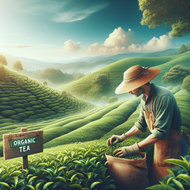
Sustainable Tea: Why Choosing Organic Matters
As more people pay attention to how their food is grown, many tea lovers are asking what "organic" really means for the leaves in their cup. At Tea The World, we want to help you make informed choices, so here is a clear look at organic tea and what to look for when you shop.
What Does Organic Tea Mean?
Organic tea is defined by how the plants are grown and processed. Certified organic tea is cultivated without synthetic pesticides or synthetic fertilizers, using practices such as composting, cover crops and natural pest management. In the United States, products labeled organic must meet USDA National Organic Program standards and be certified by an accredited agency.
How to Read the Label
The simplest way to know whether a tea is organic is to check the product description and packaging for an organic certification. Not every tea is organic, and that's fine—many excellent teas are grown conventionally. When a Tea The World product is organic, such as our Organic Ceremonial Matcha, we say so in the product name and description.
What the Research Says
Some studies have observed lower pesticide residues in organically grown crops, and tea in general is a well-studied source of polyphenols. However, research has not established that organic tea is more nutritious than conventional tea. These are research observations, not health claims.
Environmental Considerations
Organic farming standards are designed to support soil health and reduce reliance on synthetic inputs. Practices like crop rotation, composting and natural pest control are often associated with greater on-farm biodiversity. The overall environmental impact of any tea also depends on factors such as farm management, processing and transport.
Simple Ways to Enjoy Tea More Sustainably
- Choose loose leaf: Loose leaf tea can be brewed with a reusable infuser or teapot. Explore our loose leaf tea collection.
- Re-steep quality leaves: Many green, white and oolong teas can be infused more than once.
- Compost used leaves: Spent tea leaves are a great addition to a home compost pile.
- Use reusable tea ware: A glass teapot or mug lasts for years.
Conclusion
Choosing organic tea is a personal decision, and the best choice is one you understand. Read labels, ask questions, and enjoy exploring. If you'd like to know more about any of our teas, contact us—we're happy to help.
This article is for general information only and is not medical advice. Please consult a healthcare professional with any health questions.