
Tea Grades & Quality: A Guide for Smarter Sipping
Posted by Ricardo R. Matos, Founder of Tea The World on Apr 8th 2025
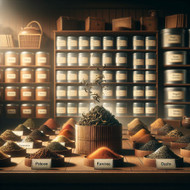
Understanding Tea Grades
When you buy loose leaf tea, knowing how to judge quality makes for a better cup. At Tea The World, we want to share not only good teas but also the knowledge to choose well. Understanding tea grades is a great place to start.
What Are Tea Grades?
Tea grades classify tea leaves mainly by leaf size and wholeness, and sometimes by appearance and harvest. Grading systems vary by region and tea type, but they share a few common principles.
Types of Tea Grades
- Whole leaf vs. broken leaf: Whole leaf tea usually gives a more aromatic, layered cup. Broken leaves steep faster and stronger but often with less nuance.
- Black tea grades: Orange Pekoe (OP) refers to whole leaves, with extra letters such as FOP or TGFOP for finer, more tippy grades. Broken grades (BOP), Fannings, and Dust are smaller pieces, often used in tea bags. Despite the name, Orange Pekoe has nothing to do with orange flavor.
- Green tea grading: Japanese and Chinese green teas are often graded by appearance, aroma, and harvest rather than a letter system.
- Origin and season: Regions such as Darjeeling, Assam, and Uji are known for distinctive teas, and harvest timing matters. First flush Darjeeling, for example, is prized for its light, floral character.
Why Tea Grades Matter
Grades help you know what to expect in the cup and how to brew it. Higher grades of whole leaf tea often offer more complex flavor and aroma, while broken grades are bold and quick-brewing. The “best” grade is the one that suits how you like your tea.
Choosing Tea at Tea The World
We offer loose leaf teas from tea regions around the world. Each product page shares what we know about the tea. Try our bold Irish Breakfast or Earl Grey Bravo, or explore the full tea collection.
Conclusion
A tea’s grade says a lot about what’s in your cup. Understanding grades helps you explore new flavors and find the teas you love most.