
10 Herbal Teas for Everyday Wellness
Posted by Ricardo R. Matos, Founder of Tea The World on Apr 3rd 2025
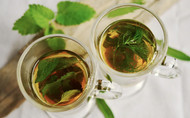
Herbal teas have been enjoyed for centuries, each with its own flavor and traditional uses. From soothing chamomile to warming ginger, they make a simple, caffeine-free addition to a balanced routine. Here are ten favorites and what research does and doesn’t say about them.
The Science Behind Herbal Teas
Herbal teas contain plant compounds such as flavonoids and other polyphenols, many of which show antioxidant or anti-inflammatory activity in laboratory studies. Human research on brewed herbal teas is often limited, and much of the strongest evidence comes from concentrated extracts. Most herbal teas are caffeine-free, and the ritual of brewing and sipping can itself be a calming pause in the day.
10 Popular Herbal Teas
- Chamomile
- Peppermint
- Ginger
- Rooibos
- Echinacea
- Hibiscus
- Lemon Balm
- Lavender
- Turmeric
- Dandelion
Chamomile: For Evening Relaxation
Chamomile contains apigenin, which has been studied for calming effects. Small studies on chamomile and sleep quality show mixed but encouraging results. Try Egypt Simply Chamomile.
Peppermint: An After-Meal Favorite
Peppermint is rich in menthol and traditionally used for bloating and indigestion. Peppermint oil capsules have been studied for IBS; the tea is milder. It can worsen heartburn in some people. Try Morocco Simply Tea Peppermint.
Ginger: Warming and Spicy
Ginger contains gingerol and has been studied for easing nausea, mostly in supplement form. A warm cup is comforting during cold season.
Rooibos: Caffeine-Free and Smooth
Rooibos contains antioxidants such as aspalathin and has a naturally sweet flavor. Research on its health effects is still early. Try Green Rooibos Bonita.
Echinacea: A Cold-Season Tradition
Echinacea is traditionally used during cold season. Research on whether it prevents or shortens colds is mixed. People with autoimmune conditions or allergies to daisy-family plants should check with a provider first.
More Herbal Teas to Explore
- Hibiscus: Tart and fruity; some small trials report modest effects on blood pressure. Check with your doctor if you take blood pressure medication.
- Lemon Balm: Lemony and traditionally used for calm.
- Lavender: Floral and aromatic, a popular evening tea.
- Turmeric: Warm and golden; most curcumin research uses supplements.
- Dandelion: Earthy and slightly bitter, traditionally used as a digestive tea.
Herbs can interact with medications and some aren’t recommended during pregnancy, so talk with your healthcare provider if you have questions.
How to Brew Herbal Tea
- Choose quality loose leaf herbs.
- Use water at or near a boil (200–212°F); slightly cooler for delicate flowers like chamomile.
- Cover and steep 5–10 minutes to keep aromatic oils in the cup.
- Strain and enjoy hot or iced.
Conclusion
Herbal teas are a flavorful, caffeine-free way to slow down and enjoy a daily ritual. Brew chamomile to unwind, peppermint after dinner, or ginger on a chilly day. Explore our tea collection to find your favorites.
Disclaimer: This article is for educational purposes only and does not provide medical advice. It is not intended to diagnose, treat, cure, or prevent any disease.