
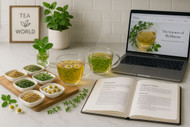
This article examines common claims about herbal teas for lung and digestive health, referencing current medical research and reputable sources. Each section links to medical journals and authoritative organizations so you can review the evidence yourself.
Overview: Lung Congestion and Herbal Approaches
Lung congestion can result from many causes, including heart failure, respiratory infections, allergies, and environmental irritants. Symptoms such as coughing, wheezing, shortness of breath, and chest tightness may signal serious conditions that need prompt medical evaluation. Herbal teas are sometimes used alongside medical care for comfort, but they are not a substitute for diagnosis or treatment.
Herbal Teas for Lung Health: What the Evidence Says
Elecampane (Inula helenium)
Traditional use: Coughs, bronchitis, and excess mucus.
- Elecampane contains inulin, alantolactone, and isoalantolactone, compounds that have shown antimicrobial and anti-inflammatory activity in laboratory studies.
- Its traditional use as an expectorant has limited support from human clinical trials.
- Caution: Allergic reactions may occur in people sensitive to plants in the Asteraceae family.
Reference: Phytotherapy Research
Hawthorn (Crataegus laevigata)
Traditional use: Heart tonic.
- A Cochrane review found that standardized hawthorn extract, used alongside conventional treatment, improved some symptoms in people with chronic heart failure. These studies used concentrated extracts, not tea.
- Heart failure requires medical care. Hawthorn is not a treatment for lung congestion on its own.
- Caution: Do not combine hawthorn with heart or blood pressure medications without medical supervision.
Reference: Cochrane Review
Thyme (Thymus vulgaris)
Traditional use: Coughs and colds.
- Thyme contains thymol, which has shown antibacterial activity in laboratory studies.
- A clinical trial found that a combination of thyme and ivy extracts reduced coughing fits in people with acute bronchitis.
- The European Medicines Agency recognizes thyme as a traditional herbal medicinal product for coughs associated with colds.
References: Phytomedicine, European Medicines Agency
Herbal Teas for Digestive Comfort
Peppermint (Mentha x piperita)
- Peppermint tea is generally considered safe and is a popular after-meal drink for mild digestive discomfort.
- Enteric-coated peppermint oil capsules have shown benefit for irritable bowel syndrome (IBS) in multiple reviews. Tea is much milder than these capsules.
- Caution: Peppermint can worsen heartburn in some people. Concentrated peppermint oil can be harmful in large doses.
Reference: Peppermint Oil for IBS (review)
Try Morocco Simply Tea Peppermint from Tea The World.
Chamomile (Matricaria recutita)
- Chamomile has modest evidence for easing mild digestive discomfort, mostly in combination with other herbs.
- Laboratory research suggests anti-inflammatory and antispasmodic properties.
- Caution: Chamomile can cause allergic reactions, particularly in people allergic to ragweed or related plants.
Try Egypt Simply Chamomile from Tea The World.
Fennel (Foeniculum vulgare)
- Fennel is generally recognized as safe in food amounts.
- Research has found mild estrogen-like effects.
- Caution: Avoid medicinal amounts during pregnancy or breastfeeding unless supervised by a healthcare professional, and do not give fennel preparations to infants without medical advice.
Reference: Journal of Ethnopharmacology
Safety, Regulation, and Real-World Use
- Natural does not mean safe: Herbal products are not automatically safe or effective, and the FDA does not require pre-market approval of herbal supplements for safety or efficacy.
- Interactions: Many herbs interact with prescription medications, especially those affecting the heart, blood pressure, blood clotting, or hormones.
- Amounts: Stick to normal tea-drinking amounts and avoid concentrated extracts unless a healthcare provider recommends them.
Conclusion
Herbal teas such as thyme, peppermint, chamomile, and fennel have long traditional use for respiratory and digestive comfort, with varying levels of scientific support. Much of the strongest evidence comes from concentrated extracts rather than brewed tea. Safety, quality, and possible interactions matter. Always talk with a healthcare professional before using herbs for a health condition, and seek prompt care for breathing problems.
Disclaimer
This article is for informational purposes only and does not constitute medical advice. It is not intended to diagnose, treat, cure, or prevent any disease. Consult your healthcare provider before using herbal products, especially if you have underlying health conditions, are pregnant or breastfeeding, or take prescription medications.