
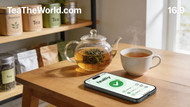
How the FDA’s “Healthy” Rule and Food Apps Are Changing Tea Shopping
The FDA’s updated “healthy” rule and modern food-rating apps are changing how shoppers choose everyday drinks. Here is what both mean for tea, and how to use them when you shop at Tea The World.
Tea The World: Wellness, Transparency, and Tea
At Tea The World, every cup is meant to be more than a beverage. Our collection of loose leaf teas, herbal blends, and accessories reflects a commitment to clear ingredient lists and honest information about what is in your cup. Some of our teas are made with organic ingredients, and each product page says so when they are.
As U.S. regulations and digital tools evolve, our goal stays the same: make it simple to choose teas that fit both your taste and your health goals.
Overview of the FDA’s Updated “Healthy” Rule
The U.S. Food and Drug Administration finalized a rule, published December 27, 2024, that updates when the word “healthy” can appear on food and beverage labels. The new definition aligns the claim with current nutrition science and the Dietary Guidelines for Americans.
Under the new definition, most “healthy” products must provide meaningful amounts of recommended food groups and stay within limits for added sugars, saturated fat, and sodium. The rule took effect in 2025, with a compliance date in February 2028 to give brands time to adjust.
What the New Rule Means for Tea
For tea drinkers, the key point is simple: the FDA recognizes that unsweetened tea with fewer than 5 calories per serving can qualify for the “healthy” claim, in the same group as water and coffee. A cup of plain brewed tea is essentially calorie-free, with no added sugar or saturated fat.
That does not mean tea treats or prevents disease. It means an unsweetened cup fits a healthy dietary pattern. Add sugar, syrups, or sweetened creamers and the picture changes.
How Tea The World Teas Fit
Our teas and herbal blends are sold unsweetened, so when you brew them plain they fit the low-calorie, no-added-sugar profile the rule describes. Green and black teas provide catechins and other flavan-3-ols that researchers study for their role in a healthy diet, and caffeine-free herbals such as chamomile and peppermint make easy evening swaps for sweet drinks.
A few places to start: India Simply Green Tea, Egypt Simply Chamomile, and Morocco Simply Tea Peppermint.
How Apps Like Yuka Can Help
Many health-conscious shoppers use apps to decode labels in real time. Yuka, for example, lets you scan a barcode and see a score based on nutritional quality, additives, and organic status, then suggests alternatives when a product rates poorly.
Unsweetened, minimally processed teas tend to score well in these systems because they are low in calories and free of many flagged additives. Still, NPR reporting notes that different apps can rate the same product differently because they use different methods, so scores are best treated as a second opinion rather than the final word.
Using Labels and Apps Together
Scanner apps are most useful for comparing a plain tea with a sugar-loaded bottled tea drink on the same shelf. Within seconds you can see the difference in calories, added sugars, and additives.
Pair that with the basics: read the ingredient list, check the added sugars line on the Nutrition Facts label, and choose teas you enjoy without sweetener. Databases such as EWG’s Food Scores can add more detail on additives and processing.
What’s Next
As regulators explore front-of-package symbols for “healthy” foods, unsweetened tea is likely to get more visibility as a simple everyday choice. At Tea The World, we will keep labeling what is in every tea and sharing what research does and does not show, so you can choose with confidence.