
Herbal Tea vs Green Tea: Key Differences Explained
Posted by Ricardo R Matos on Jul 7th 2026
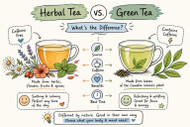
You're scrolling through TeaTheWorld's collection, and you've narrowed it down to two options: a single-origin Japanese green tea and a chamomile-rooibos herbal blend. Both are labeled "tea." Both steep in hot water. And yet they're fundamentally different drinks with different chemistry, different benefits, and different purposes in your day. If you're deciding between herbal tea vs green tea, this breakdown will help you choose the right cup for your goals, morning energy, evening wind-down, digestive support, or simply the best flavor for your palate. The "tea" label does a lot of heavy lifting here, and it leads a surprising number of people to compare these two as if they belong to the same category.
This article gives you a clear, practical breakdown of how green tea and herbal tea actually differ across caffeine content, antioxidant profiles, health benefits, flavor, and brewing requirements. By the end, you'll know which one belongs in your morning routine, which one to reach for after dinner, and how to brew each one correctly so you're not leaving quality on the table. The comparisons here are grounded in what clinical research actually shows, not marketing copy.
What Actually Separates These Two Drinks
The most important thing to understand is that green tea and herbal tea don't just taste different, they come from entirely different botanical sources. That single fact explains every other difference between them.
Green Tea Is a True Tea; Herbal Tea Is a Tisane
Green tea comes from one plant: Camellia sinensis . The leaves are picked, briefly heat-treated to stop oxidation, then dried. That's the entire process. Green tea shares this botanical origin with black tea, white tea, and oolong. They're all "true teas," distinguished from each other only by how the leaf is processed after harvest.
Herbal Teas Are a Completely Different Category
Herbal teas, technically called tisanes, contain no Camellia sinensis at all. They're infusions made from dried flowers, roots, bark, seeds, or leaves of entirely different plants: chamomile, peppermint, rooibos, hibiscus, ginger, and hundreds more. This botanical separation is why everything downstream, from caffeine to antioxidants to safety profiles, diverges so sharply between the two.
Calling both drinks "tea" is a cultural habit, not a botanical fact. Recognizing that distinction makes every other comparison in this article click into place. It also clarifies why the herbal tea vs green tea question isn't really about choosing between two teas, it's about choosing between two fundamentally different categories of drink.
Herbal Tea vs Green Tea: The Caffeine Gap
Caffeine is where the practical difference between these two drink categories becomes most obvious for daily use.
How Much Caffeine Green Tea Actually Delivers
A standard 8 oz cup of brewed green tea contains roughly 25 to 50 mg of caffeine, with an average closer to 35 mg depending on the cultivar, origin, and steeping conditions. That's meaningfully less than a typical brewed coffee, which averages around 95 mg per 8 oz cup, but it's not trivial. Three cups across a day adds up to 75 to 150 mg, which may affect sleep quality for caffeine-sensitive people who drink that last cup too late in the evening. For a practical breakdown of typical caffeine amounts across tea types, see this guide to caffeine in green tea and other teas (caffeine in green tea).
Green tea also contains L-theanine, an amino acid that moderates the caffeine effect. Many regular green tea drinkers describe the resulting energy as steadier and more focused than coffee, without a hard crash afterward. Research on the L-theanine and caffeine combination, including studies measuring attention and subjective alertness, suggests this pairing is genuinely distinctive and part of what makes green tea useful as a daytime beverage (studies on the L-theanine and caffeine combination).
Why Herbal Infusions Are Naturally Caffeine-Free
Because herbal tisanes contain no Camellia sinensis , most common varieties are caffeine-free by default. Chamomile, rooibos, peppermint, and hibiscus all deliver 0 mg per cup. This makes caffeine-free herbal infusions the straightforward choice for evening use, for pregnant women staying within the commonly recommended 200 mg per day caffeine limit, or for anyone who has reduced caffeine for health reasons.
It's worth noting that some plant-based infusions sometimes grouped under the "herbal" label, such as yerba mate and guayusa, do contain caffeine naturally. And some commercial "herbal blends" list green or black tea as a base ingredient. Always read the label if caffeine is a concern for you.
What Each Type Actually Does for Your Health
Both categories have legitimate health research behind them. The compounds differ, and so do the use cases.
Green Tea's EGCG and Catechins: What the Evidence Supports
Green tea is rich in catechins, a class of antioxidant compounds, with EGCG (epigallocatechin gallate) being the most abundant and most studied. Human trials and systematic reviews consistently show modest improvements in LDL cholesterol, total cholesterol, and some blood pressure markers. Evidence for weight management and cognitive benefits exists as well, though it's less consistent, and typically requires consistent intake of EGCG alongside caffeine for at least 12 weeks to produce measurable results. For summaries of clinical research on EGCG and catechins, see reviews of human trials and related studies (clinical studies on EGCG and catechins).
The important nuance: the most dramatic findings for green tea antioxidants come from lab and animal studies. The effects in humans are real but generally mild. Green tea is a genuinely useful dietary addition, not a therapeutic intervention.
The Active Compounds in Popular Herbal Infusions
Herbal teas offer a different kind of benefit, driven by their specific plant compounds rather than catechins. The evidence varies considerably by herb, so it's worth knowing what actually holds up in human trials.
- Chamomile: Contains apigenin, a flavonoid with mild sedative properties. A 2024 systematic review of 10 human trials found statistically significant improvements in sleep quality scores, particularly fewer nighttime awakenings. The effect is real but mild, and most studies used extracts rather than brewed tea.
- Peppermint: Has the strongest digestive evidence of any common herbal tisane. It relieves bloating and IBS-related discomfort. Most robust studies use peppermint oil, but brewed peppermint tea is widely used and generally well-tolerated for this purpose.
- Ginger: Well-supported for nausea, including morning sickness and chemotherapy-related nausea. Evidence for general digestion is less specific.
- Rooibos: Rich in aspalathin, a unique antioxidant found almost exclusively in this South African plant. Completely caffeine-free, naturally sweet, and one of the most approachable options for new tea drinkers exploring herbal infusions.
Matching the Right Cup to Your Actual Goal
Knowing the chemistry is useful, but the practical question is simpler: which drink serves your specific situation?
When Green Tea Is the Better Choice
Reach for green tea when you want a light, focused energy lift during the day. It's the better option for daytime antioxidant intake, metabolic support, and anyone who enjoys the ritual of a nuanced, flavor-forward cup. Single-origin green teas from Japan, like sencha or gyokuro, or from China, like dragonwell, offer a remarkable range of tasting notes worth exploring. TeaTheWorld's loose leaf green tea selection makes it easy to compare styles at home without committing to a large quantity of any one variety.
Which Herbal Teas Fit Specific Wellness Goals
For sleep, chamomile is the most evidence-backed option among common herbal teas. Valerian root and passionflower have supporting data for mild sleep improvement as well, though the study quality is more variable. For digestion, peppermint after meals is the standard recommendation; ginger is the better choice if nausea is the primary issue.
Chamomile and lemon balm are the most commonly cited options for anxiety and general calm, with at least some human trial data backing both. For a caffeine-free antioxidant option at any time of day, rooibos, which contains the antioxidant aspalathin, is a well-regarded choice with meaningful antioxidant activity. None of these are replacements for clinical care, but as daily rituals they're practical, low-risk, and genuinely pleasant.
Flavor Profiles: What You'll Actually Taste
Beyond health benefits, flavor is a real factor in whether you'll actually drink something consistently. Green tea and herbal tisanes occupy very different parts of the flavor spectrum.
Green Tea's Flavor Range
Green tea tends to fall somewhere between grassy and vegetal (Japanese styles like sencha and gyokuro) and nutty or floral (Chinese styles like dragonwell). High-quality loose leaf green teas brewed at the correct temperature are smooth and layered. Over-steeped or overheated green tea turns sharp and bitter fast, which is why brewing conditions matter significantly for this category.
The Wide Spectrum of Herbal Infusions
Herbal infusions have no single defining flavor because they draw from completely different plants. Chamomile is floral and mildly honey-sweet. Peppermint is sharp and cooling. Rooibos is warm, naturally sweet, and slightly earthy with a full body that holds up well with milk. Hibiscus is tart and intensely red. This variety is genuinely one of herbal tea's biggest advantages, there's a style for every palate and every part of the day, and tasting several loose leaf versions side by side is the fastest way to find your preferences.
Herbal Tea vs Green Tea: How to Brew Each One Correctly
Brewing method isn't optional detail; it directly affects both the flavor and the functional compounds you extract from the leaf or herb.
Brewing Green Tea: Lower Temperature, Shorter Steep
Green tea is more delicate than most teas. Water between 160°F and 175°F (70°C to 80°C) produces the best results for most varieties. Boiling water at 212°F can scorch the leaf and release harsh bitterness that makes the cup unpleasant, and while very high temperatures may increase extraction of some compounds, the flavor quality typically suffers noticeably. If you don't have a temperature-controlled kettle, boil your water and let it sit for three minutes before pouring; this naturally brings it down to the right range. For more on how water temperature affects extraction and flavor, see resources that explain why water temperature matters for tea (why water temperature matters).
Steep time: 1 to 3 minutes. Shorter steeps produce less caffeine and a lighter, cleaner flavor. Longer steeps extract more caffeine and more antioxidants, but bitterness increases noticeably beyond 3 minutes with most varieties. For loose leaf green tea, a simple basket infuser works well, with roughly 1 teaspoon per 8 oz cup as a reliable starting point.
Brewing Herbal Infusions: Near-Boiling, Longer Steep
Most herbal teas need hotter water than green tea: 200°F to 212°F is standard. The roots, bark, dried flowers, and seeds in herbal blends require more heat to release their active compounds and full flavor. Unlike green tea, most herbal infusions don't turn bitter with a longer steep, so there's more margin if you forget about your cup for a few minutes.
Steep time: 5 to 7 minutes as a general range, and up to 10 minutes for root-heavy blends like ginger or licorice. One practical tip worth following: cover the cup while steeping herbal teas. Volatile aromatic compounds, especially in peppermint and chamomile, evaporate with the steam. Keeping the cup covered preserves both flavor and the active compounds you're steeping for in the first place.
Which Cup Is Right for You
Green tea is a true tea from Camellia sinensis , delivering 25 to 50 mg of caffeine per cup along with well-studied catechins, particularly EGCG, with modest but real benefits for cholesterol and cardiovascular markers. Herbal teas are caffeine-free infusions from a wide range of plants, each with its own compound profile and specific use case, from chamomile for sleep to peppermint for digestion to rooibos as an any-time antioxidant option.
When weighing herbal tea vs green tea, consider your goals, your caffeine sensitivity, and the time of day to pick the right cup. Neither category is universally better. A brief safety note: if you're pregnant, on blood thinners like warfarin, or managing a health condition, check with your clinician before making either a daily habit. Some components in green tea, including vitamin K, may affect anticoagulation, if you're on warfarin, discuss your intake with your clinician. Concentrated green tea extracts, as found in supplements, have been linked in case reports and regulatory literature to rare liver injury at high doses; brewed tea does not carry this level of concern. For an accessible summary of EGCG supplement benefits and safety, see this review (EGCG supplement benefits and safety).
If you want to explore both categories in loose leaf form, TeaTheWorld carries a curated selection of premium green teas and herbal tisanes, making it easy to taste the actual difference for yourself rather than just read about it.