Hibiscus Tea: Benefits & Brewing Guide
Posted by Ricardo R. Matos, Founder of Tea The World on May 6th 2026
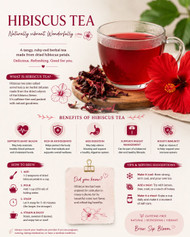
Hibiscus tea is a caffeine-free herbal infusion made from the dried calyces of Hibiscus sabdariffa. It brews a deep ruby-red cup with a tart, cranberry-like flavor, works hot or iced, and is one of the herbal teas Tea The World is preparing to add to its collection.
You want a tea that looks stunning, tastes bold, and fits any time of day. Hibiscus checks those boxes. In this guide, you’ll learn what hibiscus tea is, where it comes from, what research does and does not show, and how to brew it well.
What Makes Hibiscus Tea Stand Out
Hibiscus tea is made from the dried calyces (the fleshy outer parts of the flower) of Hibiscus sabdariffa, also called roselle. Each steep releases a brilliant ruby-red hue and a bright, tart flavor reminiscent of fresh cranberries with a gently floral finish.
Here’s what sets it apart:
- Caffeine-free: pure hibiscus contains no caffeine, so it suits any time of day
- Bold flavor: tart and fruity without needing added flavorings
- Versatile: striking served hot or over ice
- Pairing-friendly: works well with honey, mint, ginger, or citrus
We have already sourced a hibiscus supplier and tested it with customers, and we plan to add a pure hibiscus tea to the Tea The World collection soon. In the meantime, our Raspberry Hibiscus Oolong blends hibiscus with oolong tea and raspberry. Note that it contains caffeine from the oolong base.
The Rich Cultural History Behind Hibiscus Tea
Hibiscus drinks have roots stretching back centuries across several continents. Hibiscus sabdariffa is believed to be native to Africa, and its dried calyces traveled the world through trade and migration.
In Egypt and Sudan, the drink is known as Karkade and is served hot or chilled, including at celebrations. Across Mexico and Central America, it became Agua de Jamaica, a chilled everyday favorite. Caribbean communities turned it into a spiced holiday drink often called sorrel, and hibiscus drinks are enjoyed in West Africa as bissap or zobo.
Pro Tip: Understanding hibiscus tea’s global heritage makes every cup feel like more than just a drink. It’s a connection to centuries of culture.
What Research Says About Hibiscus Tea
Hibiscus is one of the more studied herbal teas, but the evidence is still limited, so it is worth being precise:
- Blood pressure: some small human trials have found modest reductions in blood pressure in adults with mildly elevated levels who drank hibiscus tea daily. These studies are short and small, and hibiscus tea is not a substitute for blood pressure medication or medical care.
- Plant compounds: hibiscus is rich in anthocyanins (the pigments behind its red color) and other polyphenols that researchers study for their antioxidant activity.
- Caffeine-free hydration: because it is a tisane rather than a true tea, pure hibiscus adds flavorful, calorie-free fluids to your day when served unsweetened.
Claims that hibiscus tea treats inflammation, protects the liver, or causes weight loss are not established by solid human evidence, so we do not make them.
Safety note: hibiscus can interact with some medications, including blood pressure and diabetes medicines, and it is commonly advised to avoid it during pregnancy. If you take medication or are pregnant, check with your healthcare provider before making it a daily habit.
How to Brew the Perfect Cup of Hibiscus Tea
Brewing hibiscus tea is simple, but a few details make a big difference. Steeping dried hibiscus in freshly boiled water for 5 to 10 minutes brings out the best color, flavor, and aroma.
Follow these steps:
- Boil fresh, filtered water.
- Add about 1 teaspoon of dried hibiscus per 8 oz cup to your infuser or teapot.
- Pour the boiling water over the hibiscus.
- Steep for 5 to 10 minutes, depending on your preferred strength.
- Remove the hibiscus and sweeten lightly if you like.
Serving suggestions:
- Hot tea: add a little honey and a squeeze of lime for a warming cup
- Iced tea: brew a strong batch, cool it, and pour over ice for a vibrant, refreshing drink
- Cold brew: steep in cold water in the refrigerator overnight for a brighter, less tart result
- Flavor pairings: try mint or ginger for extra complexity
Pro Tip: Brewing longer produces a deeper ruby color and bolder tartness. Start at 5 minutes and adjust to your taste from there.
Why Hibiscus Belongs in an Herbal Tea Collection
If you’re building an herbal tea collection, hibiscus earns its place alongside chamomile and peppermint because it offers something those two do not: a bold, tart, fruit-forward cup.
- Chamomile: gentle and floral, a classic evening cup. Try our Egypt Simply Chamomile.
- Peppermint: cool and refreshing after meals. Try our Morocco Simply Tea Peppermint.
- Hibiscus: tart, colorful, and especially good iced.
All three are naturally caffeine-free when pure, which makes it easy to rotate them through your day.
Frequently Asked Questions
What does hibiscus tea taste like?
Hibiscus tea has a bold, tart flavor reminiscent of fresh cranberries, with a gently floral finish and a deep ruby-red color. If you enjoy fruity, tangy drinks, you’ll likely love it hot or iced.
How long should you steep hibiscus tea for the best flavor?
Steep dried hibiscus in freshly boiled water for 5 to 10 minutes. Five minutes gives a lighter flavor and color; ten minutes gives a bolder, more intense cup.
Is hibiscus tea safe to drink every day?
Many people enjoy hibiscus tea regularly. Because hibiscus can interact with blood pressure and diabetes medications and is commonly advised against during pregnancy, check with your doctor first if any of those apply to you.
Does Tea The World sell hibiscus tea?
A pure hibiscus tea is coming to Tea The World soon. Today you can try hibiscus in our Raspberry Hibiscus Oolong, which contains caffeine from its oolong base.