
Is a Glass Teapot Safe? Borosilicate, Stovetop and Care Guide
Posted by Ricardo R. Matos, Founder of Tea The World on Oct 10th 2026
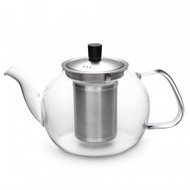
Yes, a glass teapot is safe for brewing tea when it's made from borosilicate glass, which is designed to handle boiling water. Glass is non-porous and doesn't absorb flavors or react with tea. The main risks are cracking from sudden temperature changes and using a teapot on a stovetop when it isn't labeled stovetop-safe. Replace any glass teapot that is chipped or cracked.
Why borosilicate glass matters
Most quality glass teapots are made from borosilicate glass, the same type used in laboratory glassware and many kitchen bakeware pieces. It expands very little when heated, so it resists the stress that hot water puts on the glass. Ordinary soda-lime glass, used in many drinking glasses and jars, is more likely to crack when boiling water hits it. If a product description says borosilicate or heat-resistant glass, it's built for hot tea.
Is glass safe to drink from?
Glass is chemically stable and non-porous. It doesn't absorb oils or flavors from previous brews, and clear borosilicate glass doesn't contain the lead that can appear in some decorative crystal or painted glassware. That's one reason many tea lovers prefer glass for tasting: what you taste is the tea, not the pot.
Glass teapot safety checklist
| Question | Answer |
|---|---|
| Can I pour boiling water in it? | Yes, if it's borosilicate or heat-resistant glass. |
| Can I put it on the stove? | Only if the maker labels it stovetop-safe. Many glass teapots are not. |
| Can I microwave it? | Only without a metal infuser or lid, and only if the maker allows it. |
| Is it dishwasher safe? | Often yes, but check the care instructions. Hand washing extends its life. |
| Can I add ice or cold water to a hot pot? | Avoid it. Sudden temperature swings are the most common cause of cracks. |
| What if it's chipped? | Stop using it. Chips and cracks weaken the glass. |
How to use a glass teapot safely
- Warm it first. Rinse the pot with warm water before pouring in boiling water, especially in a cold kitchen.
- Avoid temperature shocks. Don't set a hot pot on a cold stone counter or wet surface, and don't pour cold water into a hot pot.
- Use the handle. The glass body gets hot. Hold the handle and pour slowly.
- Keep it off direct heat unless it's labeled stovetop-safe, and never heat it empty.
- Clean gently. Use a soft sponge rather than abrasive pads, which can scratch the glass.
- Inspect it often. Look for chips, hairline cracks, or a loose handle, and retire the pot if you find any.
Glass vs. other teapot materials
- Glass: Lets you watch the leaves unfurl and judge the color. Doesn't hold flavors. More fragile than other materials.
- Cast iron: Keeps tea hot longer and is very durable. Most have an enamel lining; avoid unlined pots for brewing unless designed for it. See our glass and cast iron teaware.
- Ceramic and porcelain: Retain heat well and are versatile. Choose lead-free glazes from reputable makers.
- Stainless steel: Durable and easy to clean, but you can't see the brew.
Cleaning a glass teapot
Rinse it soon after each use so tea doesn't dry inside. For tea stains, soak it in warm water with a spoonful of baking soda, or use a little white vinegar, then rinse well. Clean the infuser separately so fine particles don't build up in the mesh.
Shop our glass teapots
Our Classic Round 30 oz glass teapot and Tall Iced 40 oz glass teapot with stainless steel infuser are made for loose leaf tea, hot or iced.
Frequently asked questions
Can a glass teapot explode?
Borosilicate glass can still crack or shatter under sudden temperature changes or if it's already damaged. Warming the pot first and avoiding cold surfaces greatly reduces the risk.
Is a glass teapot better than a stainless steel infuser?
They do different jobs. Many glass teapots include a stainless steel infuser, so you get the visual appeal of glass and easy removal of the leaves.
Are glass teapots good for blooming tea?
Yes. Clear glass is the best way to watch a blooming tea open, which is part of the experience.
How long does a glass teapot last?
With gentle handling and no temperature shocks, a quality borosilicate teapot can last for years. Replace it at the first sign of a crack or chip.