
Master the Art of Tea Tasting
Posted by Ricardo R. Matos, Founder of Tea The World on Dec 30th 2024
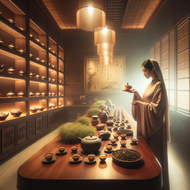
Welcome to Tea The World, where we celebrate the world of premium loose leaf tea. If you've ever found yourself captivated by the flavors and aromas of a comforting cup, you might be ready to take your appreciation to the next level—by mastering the art of tea tasting. This guide will help you savor each sip and understand the nuances of different tea types.
1. Prepare Your Tasting Space
Choose a quiet space, free from distractions, with good lighting and a comfortable table setting. Gather the teas you wish to taste, a kettle, teacups, a teapot or infuser, a timer and a notebook for your observations. A glass teapot or mug lets you watch the color of each infusion develop.
2. Select Your Teas
Choose a few different types for your session—for example a white, a green, a black and an herbal. Teas that contrast in flavor and aroma make the differences easier to notice. Our Tea Tasting Assortment is an easy way to start, or browse our full tea collection.
3. Know Your Basic Brewing Techniques
Different teas require different water temperatures and steeping times:
- Green Tea: 175°F (80°C) for 2-3 minutes
- Black Tea: 200°F (93°C) for 3-5 minutes
- Herbal Tea: 212°F (100°C) for 5-7 minutes
Use fresh, filtered water and measure the tea according to the package instructions. A temperature-control kettle such as the Fellow Stagg Pour-Over Kettle makes this easier.
4. Observe the Dry Leaves
Before brewing, take a moment to look at the dry leaves. Note their size, shape and color—each detail hints at the flavors to come. Gently rub a few leaves between your fingers to release more scent.
5. Brew and Smell
Once brewed, pay close attention to the aroma of the steeped leaves and the liquor. Start with a clean palate (avoid coffee or strong foods beforehand) and take a deep breath. Jot down how the aroma compares to the dry leaves.
6. Taste the Tea
Sip slowly and consciously. Let a small amount move across your whole palate. Notice the texture (smooth, creamy or astringent?) and flavors (sweet, bitter, floral or fruity?). Consider the balance and how the sensations evolve from the first sip to the finish.
7. Evaluate and Note Your Impressions
Write down the aroma, flavor intensity, aftertaste and your overall enjoyment. Over time you'll understand which flavors resonate with you, which makes choosing your next tea much easier.
8. Pair with Food
Light snacks such as biscuits, cheese or fruit can bring out different flavor notes. Experiment with combinations to find what pairs best with your favorites.
9. Learn from Others
Share your tasting notes with friends or fellow tea lovers. Comparing impressions exposes you to new perspectives on flavor and aroma and makes tasting more fun.
10. Explore and Enjoy
Most of all, enjoy the exploration. With so many varieties and blends, let your curiosity guide you—the tea you try on a whim might become your new favorite.
By following this guide, tea becomes more than a beverage: it becomes an experience, a ritual and an art. Enjoy your tasting journey with Tea The World.