
Tea for Digestion and Gut Health: Simple Daily Wellness Tips
Posted by Ricardo R. Matos, Founder of Tea The World on Jul 20th 2026
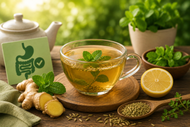
The teas most often enjoyed for digestion are peppermint, ginger, chamomile, and fennel, which have long traditions of after-meal use, along with green and black tea, whose polyphenols researchers are studying for their interaction with the gut microbiome. The evidence for brewed tea is still limited, so think of tea as a comforting part of healthy eating, hydration, and movement, not a treatment for digestive conditions.
A healthy digestive system plays an important role in supporting overall wellness, comfort, and daily energy. While good nutrition, regular movement, and proper hydration all contribute to digestive health, many people also enjoy tea as part of their daily routine. Choosing quality tea and preparing it with care can become a relaxing habit that supports a balanced lifestyle.
Understanding how different teas fit into healthy daily practices helps people make informed choices. This guide explores simple ways to enjoy tea for digestion and gut health while building sustainable wellness habits that feel natural every day.
Why Digestive Health Matters Every Day
Your digestive system does much more than process food. It helps your body absorb nutrients, supports normal body functions, and contributes to overall well-being. When digestion works smoothly, many people feel more comfortable and energized throughout the day.
Several daily habits influence digestive wellness, including:
- Eating balanced meals that contain a variety of whole foods.
- Drinking enough water throughout the day.
- Staying physically active with regular movement.
- Managing everyday stress through healthy routines.
- Giving your body enough time to rest and recover.
Small, consistent choices often have a greater long-term impact than dramatic lifestyle changes. Adding enjoyable wellness habits, such as drinking thoughtfully selected tea, can become part of a balanced daily routine without replacing healthy eating or medical advice.
Which Teas Are Traditionally Enjoyed for Digestion?
Different teas bring different flavors and traditions to the table. Here is an honest look at the most popular choices:
| Tea | Tradition and research | Good to know |
|---|---|---|
| Peppermint | A classic after-dinner tea. Concentrated peppermint oil has been studied for digestive comfort, but research on brewed peppermint tea is limited. | Caffeine-free; can aggravate heartburn or reflux |
| Ginger | Long used for an unsettled stomach; ginger has been studied for nausea. | Warming and spicy; check with a doctor if you take blood thinners |
| Chamomile | A gentle, traditional after-meal and evening tea. | Caffeine-free; avoid with ragweed-family allergies |
| Fennel | Traditionally used after meals in many cultures. | Sweet, licorice-like flavor |
| Green and black tea | Rich in polyphenols that researchers are studying for their interaction with gut bacteria; this is an emerging area. | Contain caffeine; enjoy earlier in the day |
For a classic after-dinner cup, our Morocco Simply Tea Peppermint is pure peppermint and naturally caffeine-free. Our Egypt Simply Chamomile offers a gentle evening option, and our India Simply Green Tea is an easy way to enjoy green tea polyphenols earlier in the day.
How Tea Can Become Part of a Healthy Routine
Tea has been enjoyed across many cultures for generations, not only because of its comforting taste but also because it encourages moments of relaxation and mindfulness. Preparing tea allows people to slow down and create a peaceful break during busy days.
A warm, unsweetened cup also counts toward your daily fluids, and hydration supports comfortable digestion. Taste your tea plain before adding sugar or honey, since sweeteners and rich creamers change how a drink sits after a meal.
Rather than expecting tea to solve digestive concerns on its own, it is best viewed as one helpful element within a healthy daily lifestyle.
Daily Habits That Support Digestive Wellness
Good digestion depends on consistent habits instead of quick solutions. Combining healthy choices creates a stronger foundation for overall wellness.
Some simple habits include:
- Eating meals at regular times instead of skipping them.
- Chewing food slowly to support comfortable digestion.
- Including fruits, vegetables, and whole grains in daily meals.
- Drinking enough water throughout the day.
- Staying active with walks or other enjoyable exercise.
- Making time for relaxation whenever possible.
When these healthy habits are combined with tea for digestion and gut health, many people enjoy creating a calming routine that supports overall wellness without unrealistic expectations.
When to Talk to a Healthcare Provider
Tea is a pleasant part of daily life, but it is not a treatment for digestive conditions. See a healthcare provider if you have ongoing heartburn, persistent stomach pain, changes in bowel habits that last more than a few weeks, unexplained weight loss, or blood in your stool. If you are pregnant, breastfeeding, or taking medication, ask before making a new herbal tea a daily habit.
Choosing Quality Tea Makes a Difference
Not every tea offers the same experience. Quality begins with careful sourcing, proper handling, and attention to freshness from the very beginning.
The table below highlights several qualities to look for when selecting tea.
| Feature | Why It Matters |
|---|---|
| Carefully sourced leaves | Helps provide consistent flavor and quality. |
| Fresh ingredients | Supports a better aroma and overall tea experience. |
| Clear ingredient list | Shows exactly which herbs, tea leaves, or flavorings you are drinking. |
| Eco-conscious packaging | Helps reduce environmental impact while protecting freshness. |
| Clear educational guidance | Helps tea drinkers learn proper brewing techniques and wellness information. |
Choosing premium tea is about more than taste. Quality sourcing, careful selection, and ongoing education all contribute to a better overall experience for people who enjoy tea as part of their daily lifestyle.
Understanding Tea Through Science
Tea continues to be the subject of ongoing scientific research, and many findings are encouraging. While no single beverage can replace a healthy lifestyle, researchers are studying how tea may contribute to overall wellness when enjoyed regularly as part of balanced daily habits.
Current research explores how tea may:
- Provide polyphenols, such as catechins and theaflavins, that are studied for their antioxidant activity and their interaction with gut bacteria.
- Fit into a balanced lifestyle that supports heart and metabolic health.
- Deliver naturally occurring L-theanine and caffeine, a combination studied for calm, focused alertness.
- Encourage mindful routines that contribute to everyday well-being.
Tea The World presents this information responsibly by recognizing both the promise of current research and the importance of continued scientific study.
Supporting Knowledge With Every Cup
Tea is more than a beverage for many people. It represents tradition, learning, and a commitment to everyday wellness. Tea The World believes that selling carefully sourced tea also supports a larger purpose.
When you choose Tea The World, you help support:
- Independent education about tea and health.
- Continued research and learning about tea.
- Practical wellness guidance based on current scientific understanding.
- Resources that help people learn brewing techniques and tea traditions.
- A growing community that values quality, education, and responsible information.
This mission allows the company to continue sharing reliable knowledge while helping people enjoy thoughtfully selected teas every day.
Simple Tips for Making Tea Part of Your Lifestyle
Adding tea to your daily routine does not have to be complicated. Small, consistent habits often become the easiest to maintain over time.
Here are a few practical ideas:
- Start your morning with a freshly brewed cup of green or black tea.
- Enjoy a caffeine-free peppermint or chamomile tea after dinner.
- Pair tea with balanced meals as part of healthy eating habits.
- Learn proper brewing techniques to enjoy the full flavor of each tea.
- Explore different varieties while maintaining a balanced lifestyle.
Many people discover that tea for digestion and gut health becomes an enjoyable daily habit when combined with healthy eating, hydration, regular movement, and adequate rest.
FAQ
What tea is good for digestion?
Peppermint, ginger, chamomile, and fennel teas are traditionally enjoyed after meals. Research on brewed teas is limited, so enjoy them as part of healthy habits rather than as a treatment.
Is peppermint tea good after meals?
Peppermint is a popular, caffeine-free after-dinner tea. Concentrated peppermint oil has been studied for digestive comfort, but brewed tea research is limited, and peppermint can aggravate heartburn or reflux in some people.
Does green tea support gut health?
Green tea is rich in polyphenols that researchers are studying for their interaction with gut bacteria. This is an emerging area, so the findings are promising but not yet conclusive.
Can tea treat digestive problems?
No. Tea is a comforting beverage, not a treatment. See a healthcare provider for ongoing heartburn, persistent stomach pain, lasting changes in bowel habits, unexplained weight loss, or blood in your stool.
Which digestive teas are caffeine-free?
Pure peppermint, ginger, chamomile, and fennel teas are naturally caffeine-free. Green and black teas contain caffeine, so check blends for tea leaves if you want an evening cup.
Conclusion
Supporting digestive wellness is about building healthy habits that fit naturally into everyday life. Balanced nutrition, hydration, physical activity, and mindful routines all work together to promote overall well-being. Enjoying tea for digestion and gut health can become one meaningful part of that routine when combined with realistic expectations and informed choices.
Tea The World remains dedicated to providing thoughtfully sourced teas while sharing responsible, research-informed education that helps people better understand tea, appreciate its traditions, and enjoy every cup with greater confidence and purpose.