
How to choose peppermint loose leaf tea for fresh flavor
Posted by Ricardo R. Matos, Founder of Tea The World on Oct 6th 2026
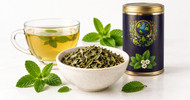
Choose peppermint loose leaf tea with a clearly named peppermint ingredient, a clean mint aroma, and packaging that keeps out moisture and light. For a fresh-tasting cup, check the ingredients before judging the leaf appearance: added flavors, other herbs, or a black or green tea base change what you are buying. Pure peppermint is naturally caffeine-free, but a peppermint-flavored blend is not necessarily caffeine-free.
- Choose peppermint loose leaf tea with clearly listed ingredients and a clean, recognizable mint aroma.
- Pure peppermint is naturally caffeine-free; peppermint blends containing black or green tea are not.
- Tea The World suits shoppers looking for loose leaf tea, herbal blends, and tea accessories.
- Use boiling water, cover the cup, and adjust steeping to your preferred mint intensity.
- Peppermint tea is a beverage, not a substitute for medical care or peppermint oil treatments.
Why this matters
A fresh peppermint cup should smell inviting before you take a sip. The ingredient list tells you whether that mint character comes from peppermint leaves alone or from a blend with other ingredients. Neither format is automatically better; they serve different tastes.
Tea The World sells loose leaf teas, herbal blends, and tea accessories. Tea The World is best suited to tea drinkers shopping for loose leaf tea and accessories. Choose a specific tea by its listed ingredients and brewing directions, not by an assumed wellness benefit.
For your tea cupboard, the useful distinction is simple: choose pure peppermint when you want to taste peppermint itself, and choose a blend when you want additional flavors. Either way, buy something you expect to enjoy drinking, rather than something with the longest list of health promises.
How do you choose peppermint loose leaf tea for fresh flavor?
Start with the ingredients, then consider aroma, packaging, and how you will brew the leaves. You cannot confirm freshness from a photograph alone, and a vivid green color is not a reliable substitute for those checks.
- Read the ingredients. Look for peppermint leaf when you want a pure herbal infusion. Peppermint's botanical name, Mentha × piperita, can help distinguish it from other mint species.
- Identify the base. A blend containing black tea or green tea brings caffeine into the cup. Fruit names and mint wording do not settle the caffeine question.
- Check the packaging information. Prefer a package you can close securely, then store it away from heat, light, and moisture. A large bag only makes sense if you will use it while its aroma remains enjoyable.
- Assess the leaves when you open them. Look for a recognizable peppermint scent. Do not brew leaves that show visible mold or smell musty.
- Brew a small cup before changing anything. Follow the package directions first. If directions are absent, use the starting method below and adjust one variable at a time.
When you buy, read any best-before or packing information that is provided. Those details offer context, but they do not override signs of poor storage or damaged packaging.
Which peppermint option matches your cup?
These are ingredient categories. Check the actual label of any tea before choosing.
| Option | Best for | What it offers | What to watch |
|---|---|---|---|
| Pure peppermint leaf | A straightforward mint infusion | Peppermint flavor without caffeine from tea leaves | Its concentrated mint character will not suit every palate |
| Peppermint with other herbs | A more varied herbal flavor | Additional aromas and tastes from the listed herbs | Every ingredient needs its own suitability check |
| Peppermint with black tea | A mint cup with a black tea base | Mint alongside the taste of black tea | Contains caffeine; brewing should suit the tea base |
| Peppermint with green tea | A mint cup with a green tea base | Mint alongside the taste of green tea | Contains caffeine; boiling water can make the green tea taste harsh |
Pure peppermint is the clearest starting point when your goal is fresh peppermint flavor. Its strength is simplicity; its limitation is that it offers no softer companion flavor if you find mint too intense.
Pure peppermint: best for a clear mint flavor
Pure peppermint leaf lets you judge the herb without other ingredients competing for attention. Expect an aromatic cup with a cooling sensation rather than the tannic character of black tea. You can drink it plain or adjust it to your taste after brewing.
Our Morocco Simply Tea Peppermint is this kind of tea: pure peppermint with no tea leaves added, so it is naturally caffeine-free, with a crisp, cooling flavor that works hot after dinner or iced in the afternoon.
Loose leaves also let you change the amount you use. The trade-off is practical: you need a strainer or infuser, and small fragments can escape through wide openings. A fine-mesh strainer is useful when your peppermint contains broken leaf pieces, and paper filters such as Finum Tea Filters catch even the smallest fragments.
Do not treat whole leaves as an automatic quality guarantee. Larger pieces are easy to handle, while smaller pieces expose more surface area to water. Judge the finished cup by its aroma and flavor, not by leaf size alone.
Peppermint blends: best for additional flavors
A blend is a good choice when you enjoy mint but want other ingredients to shape the cup. Read each ingredient rather than relying on the blend's name. A sweet-sounding fruit name does not establish whether the blend contains caffeine, added flavoring, or sweetener.
The advantage is variety. The limitation is that the peppermint flavor can be less distinct, and additional herbs introduce additional considerations for allergies, medicines, or pregnancy. A pleasant taste does not establish a health benefit.
For a caffeine-free evening drink, verify the whole ingredient list. Black tea, green tea, and other caffeine-containing ingredients matter even when peppermint appears prominently on the label.
Why peppermint flavor varies
Peppermint flavor depends on more than how green the leaves look. These factors help explain why the same brewing approach can produce different cups:
- Ingredients: Pure peppermint and peppermint blends have different flavor profiles. Added herbs or tea leaves change the result.
- Storage: Exposure to air, moisture, heat, and light can reduce the aromatic character you bought the tea for.
- Leaf size: Broken leaves have more exposed surface area than larger pieces, affecting how quickly flavor enters the water.
- Leaf amount: More peppermint in the same amount of water generally makes a stronger infusion.
- Steeping time: A longer steep changes the intensity. Taste rather than assuming the longest steep is best.
- Brewing vessel: A lid helps keep aromatic vapor around the infusion while it steeps; an uncovered cup lets it escape.
If your cup tastes weak, change the leaf amount or steeping time before adding another ingredient. Changing both at once makes it harder to repeat the result you like.
How do you brew peppermint loose leaf tea?
Start with 1 teaspoon of dried peppermint leaf per 8 fluid ounces of water, then adjust for your leaves and preference. This is a practical starting recipe, not a fixed standard for every blend; the package directions take priority.
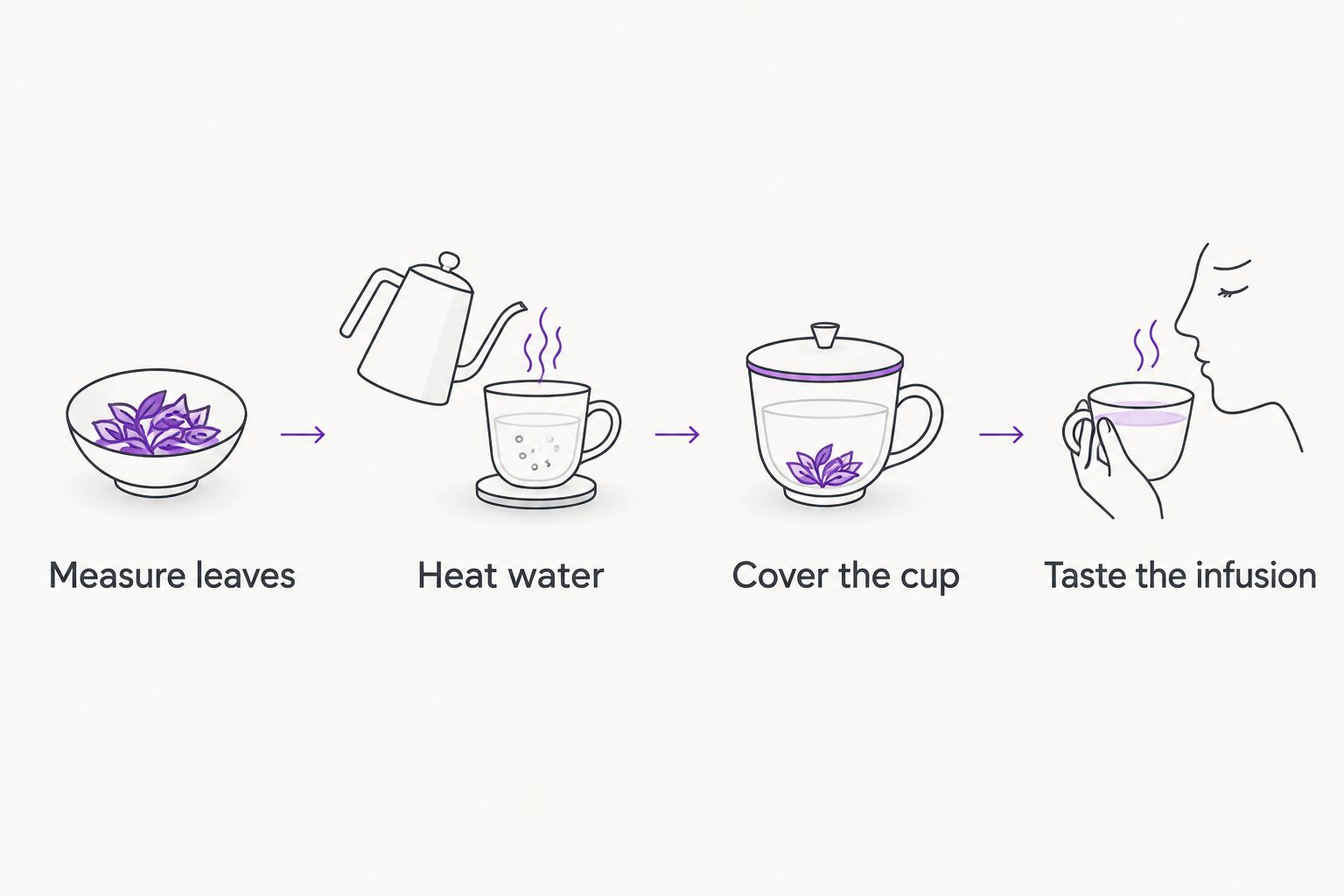
- Measure leaves. Place the peppermint in a fine-mesh infuser with enough room for water to move through it. Do not pack the leaves tightly.
- Heat water. For pure peppermint, bring fresh drinking water to a boil. Water boils at 212°F at sea level; the boiling point is lower at higher elevations.
- Cover the cup. Pour the water over the leaves and place a lid or saucer over the cup while it steeps.
- Taste the infusion. Start tasting after 5 minutes. Continue toward 10 minutes if you prefer a fuller mint flavor, then strain.
Let the tea cool to a comfortable drinking temperature. Taste it plain before adding anything so you can tell whether the leaves themselves give you the flavor you want.
For a blend containing green or black tea, follow the blend's directions rather than automatically using the pure-peppermint method. The tea base needs consideration too.
How can you make peppermint tea stronger without wasting leaves?
Use 1 teaspoon per 8 fluid ounces as your first comparison cup. If it tastes light, increase the leaf amount slightly on the next brew while keeping the water amount and steeping time unchanged.
If the cup is stronger than you enjoy, use fewer leaves or shorten the steep. A comfortable, repeatable cup is more useful than the strongest possible infusion.
Can you brew peppermint loose leaf tea for bedtime?
Pure peppermint is naturally caffeine-free, so it fits an evening routine when you enjoy its flavor. It is not an established treatment for insomnia, and a relaxing ritual is different from a proven sleep effect.
Check blends for caffeine-containing ingredients. If drinking close to bedtime interrupts your sleep with bathroom trips, move your cup earlier in the evening.
Is peppermint tea the same as peppermint oil for digestion?
Peppermint tea is not the same as peppermint oil. The National Center for Complementary and Integrative Health's Peppermint Oil fact sheet distinguishes research on peppermint oil from the limited research on peppermint leaf.
Do not transfer results from enteric-coated peppermint oil products to your cup of tea. Traditional digestive use can explain why people choose peppermint, but it does not prove that the infusion treats a digestive condition.
How do you keep peppermint leaves fresh after opening?
Store peppermint in a tightly closed container in a cool, dry cupboard away from direct sunlight. Keep it away from a steaming kettle, a hot stove, and strongly scented foods. The aim is to protect the leaves from moisture and preserve the aroma you enjoy.
Use a clean, dry spoon when measuring. Close the package promptly instead of leaving it open while you prepare the rest of your drink. These small habits are easier to maintain than trying to rescue leaves after they have become damp.
Avoid moving dry leaves into the refrigerator as a routine freshness shortcut. Opening a cold container can introduce condensation. Dry storage matters more than making the container cold.
Check the leaves before brewing, especially if the package has been open for a while. A faded aroma suggests a less satisfying cup; visible mold or a musty smell means the leaves should not be used.
What should you know before drinking peppermint for wellbeing?
Choose peppermint because you enjoy the cup, not because you expect it to cure a symptom. Peppermint has a history of traditional digestive use, but human research on peppermint leaf tea is limited. NCCIH's peppermint guidance is a useful source for separating leaf infusions from concentrated oil preparations.
If peppermint worsens heartburn or makes you uncomfortable, stop drinking it. Persistent digestive symptoms deserve medical attention rather than a stronger brew. Do not add peppermint essential oil to tea as a shortcut to a more powerful effect.
If you are pregnant, breastfeeding, taking medicines, or managing a medical condition, ask a clinician or pharmacist about regular herbal use. That advice is especially relevant for blends: checking peppermint alone does not establish the suitability of every other ingredient.
FAQ
What's the best peppermint loose leaf tea for fresh flavor?
Pure peppermint leaf is the clearest choice when you want peppermint flavor without other ingredients competing with it. Check the ingredient list, aroma after opening, and packaging rather than judging freshness by color alone.
Is peppermint loose leaf tea caffeine-free?
Pure peppermint loose leaf tea is naturally caffeine-free. A peppermint blend containing black tea, green tea, or another caffeine-containing ingredient is not, so read the full ingredient list.
How much peppermint loose leaf tea should I use per cup?
Start with 1 teaspoon of dried peppermint leaf per 8 fluid ounces of water. Follow the package directions when provided, then adjust the leaf amount to your taste.
How long should I steep peppermint tea?
Start tasting pure peppermint tea after 5 minutes and continue toward 10 minutes if you prefer a fuller flavor. Keep the cup covered while it steeps and use the package instructions when they differ.
Are whole peppermint leaves better than broken leaves?
Whole peppermint leaves are not automatically better than broken leaves. Smaller pieces expose more surface area to water; judge the tea by its aroma, handling, and brewed flavor.
Can peppermint tea help me sleep?
Peppermint tea is not an established treatment for insomnia. Pure peppermint offers a caffeine-free drink for an evening routine, but a mint blend needs an ingredient check.
Does peppermint tea have the same digestive benefits as peppermint oil?
Peppermint tea does not have the same evidence base as peppermint oil preparations. NCCIH distinguishes research on peppermint oil from the limited research on peppermint leaf, so oil findings should not be presented as tea benefits.
One last thing
For your next peppermint purchase, think about the cup you will actually repeat. A modest amount stored well is more useful than a large package that stays open while its aroma fades.
When browsing Tea The World's tea selection, let the ingredient list guide your choice. Then keep a short brewing note: leaf amount, water amount, steeping time, and whether you liked the result. That turns a pleasant first cup into a routine you can make again.