
Tea Taste Testing Tips for Your Perfect Cup
Posted by Ricardo R. Matos, Founder of Tea The World on Apr 3rd 2025
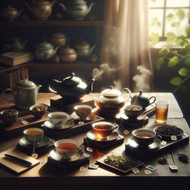
Tasting tea with attention is one of the best ways to discover what you love. Whether you’re new to loose leaf tea or a longtime enthusiast, a simple tasting session can open up flavors you never noticed before. Here’s how to set up your own tea tasting at home.
1. Gather Your Supplies
- A selection of loose leaf teas: Try a few types, such as black, green, oolong, white, and herbal.
- Teapots or infusers: One for each tea if you can, so you can compare side by side. Browse our glass tea ware.
- Filtered water: Water quality makes a big difference in flavor.
- White or clear cups: These let you see the color and clarity of each tea.
- A notebook or tasting sheet: To record your impressions.
2. Set the Stage
Choose a quiet space free from strong smells like candles, cooking, or perfume, which can mask a tea’s aroma. Have some plain water and unsalted crackers to refresh your palate between teas.
3. Brew Each Tea Correctly
- Black teas: 200–212°F for 3–5 minutes.
- Green teas: 160–185°F for 2–3 minutes to avoid bitterness.
- White teas: 160–185°F for 2–5 minutes.
- Herbal teas: 200–212°F for 5–7 minutes.
Use the same amount of leaf for each tea so your comparison is fair. See our full tea temperature chart.
4. Observe Color and Aroma
Look at the color and clarity of each cup, from pale gold to deep amber. Then breathe in the aroma and try to name what you notice: floral, grassy, malty, fruity, smoky, or spicy. Smell the wet leaves too.
5. Taste
- Sip slowly: Let the tea coat your palate. Notice sweetness, bitterness, and brightness.
- Texture: Is it smooth and silky, or dry and astringent?
- Finish: Do the flavors linger, change, or fade quickly?
6. Take Notes
Write down each tea’s appearance, aroma, flavor, and your overall impression. Over time, you’ll see patterns in what you enjoy.
7. Experiment and Explore
Step outside your comfort zone. Compare a bold Irish Breakfast with a fragrant Earl Grey Bravo, or a fruity Raspberry Hibiscus Oolong with calming Egypt Simply Chamomile.
8. Share the Experience
Tea tasting is even better with friends and family. Compare notes and discover new favorites together.