
Herbal Teas: Popular Types and What Research Says
Welcome to the Tea The World blog. In this article, we look at popular herbal teas, what research has and has not shown about them, and clear up a common mix-up between tea and tea tree oil.
What Are Herbal Teas?
Herbal teas, or tisanes, are infusions made from the leaves, flowers, seeds, or roots of plants other than Camellia sinensis, the tea plant. Most are naturally caffeine-free and are enjoyed for their flavor and long traditional use.
Popular Herbal Teas
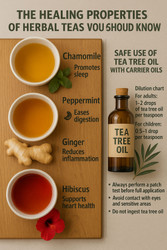
- Chamomile: A gentle, floral evening tea. Small studies on sleep and digestion show mixed results. [Verywell Health] Try Egypt Simply Chamomile.
- Peppermint: A popular after-meal tea traditionally used for digestive comfort. Try Morocco Simply Tea Peppermint.
- Ginger: Warming and spicy. Ginger has been studied for nausea, mostly in supplement form.
- Echinacea: Traditionally used during cold season. Research on whether it prevents or shortens colds is mixed.
- Hibiscus: Tart and fruity. Some small trials have reported modest effects on blood pressure, but hibiscus is not a substitute for medical care, and people taking blood pressure medication should talk with their doctor first.
- Lemon Balm: A mild, lemony herb traditionally used for relaxation.
- Rooibos: Naturally caffeine-free with a smooth, sweet flavor and antioxidants such as aspalathin. Try Green Rooibos Bonita.
Many herbs can interact with medications or are not recommended during pregnancy. Talk with a healthcare provider before using herbal teas for a health concern.
Tea Tree Oil Is Not Tea
Despite the name, tea tree oil comes from the Australian Melaleuca alternifolia plant, not the tea plant. It is an essential oil used on the skin, and it is toxic if swallowed. Never add it to tea or drinks, and keep it away from children and pets.
Using Tea Tree Oil on Skin
- Always dilute: Mix with a carrier oil such as jojoba, coconut, olive, or almond oil before applying to skin.
- Typical dilution: About 1–2 drops of tea tree oil per teaspoon (5 mL) of carrier oil.
- Patch test: Try a small amount on your inner arm and wait 24 hours to check for irritation or allergic reaction.
- Avoid eyes and mucous membranes, and stop using it if irritation occurs.
For more, see NCCIH: Tea Tree Oil.
Conclusion
Herbal teas are a flavorful, caffeine-free way to enjoy a calming ritual, and research on many of them is still developing. Enjoy them as part of a balanced lifestyle, and talk with a healthcare professional before using herbs or essential oils for a health condition. Explore our tea collection.
Disclaimer: This article is for educational purposes only and does not provide medical advice. It is not intended to diagnose, treat, cure, or prevent any disease.
References: