
The Impact of Climate on Tea Flavor Profiles
Posted by Ricardo R. Matos, Founder of Tea The World on Jan 27th 2025
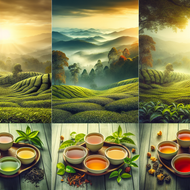
The Impact of Climate on Tea Flavor Profiles
Have you ever wondered why one cup of tea tastes so different from another, even when both come from the same Camellia sinensis plant? One of the biggest reasons is climate. At Tea The World, we love how every leaf carries the story of where it was grown.
The Role of Climate in Tea Cultivation
Tea is sensitive to its environment. Temperature, rainfall, and sunlight all shape the flavor, aroma, and quality of the leaves.
1. Temperature
Warmer climates usually mean faster growth and often a milder flavor. Cooler climates, including high-altitude gardens, slow growth and tend to concentrate flavor and aroma.
For example, high-elevation Darjeeling is known for floral, muscatel notes, while lowland Assam is bold and malty. Taste the malty Assam style in our Irish Breakfast.
2. Rainfall
The amount and timing of rain affect how the plant takes up nutrients and how tender its leaves are. Sri Lanka’s monsoon seasons help shape the bright, brisk character of Ceylon teas. Drier periods can produce smaller harvests with more concentrated or earthier flavors.
3. Sunlight and Shade
Sunlight drives photosynthesis and influences the balance of compounds in the leaf. Interestingly, shading can create some of the most prized teas: Japanese gyokuro and matcha are shaded for several weeks before harvest, which raises L-theanine and chlorophyll, giving them a sweet, savory umami flavor and vivid green color. Sun-grown sencha, by contrast, tastes brighter and more astringent. Try our Organic Ceremonial Matcha.
Conclusion
Temperature, rainfall, and sunlight combine to create the wide range of flavors we enjoy in our cups. Next time you brew a cup, take a moment to appreciate the climate and the care that shaped every leaf.