
Types of Herbal Teas and Benefits
Posted by Ricardo R. Matos, Founder of Tea The World on Apr 29th 2025

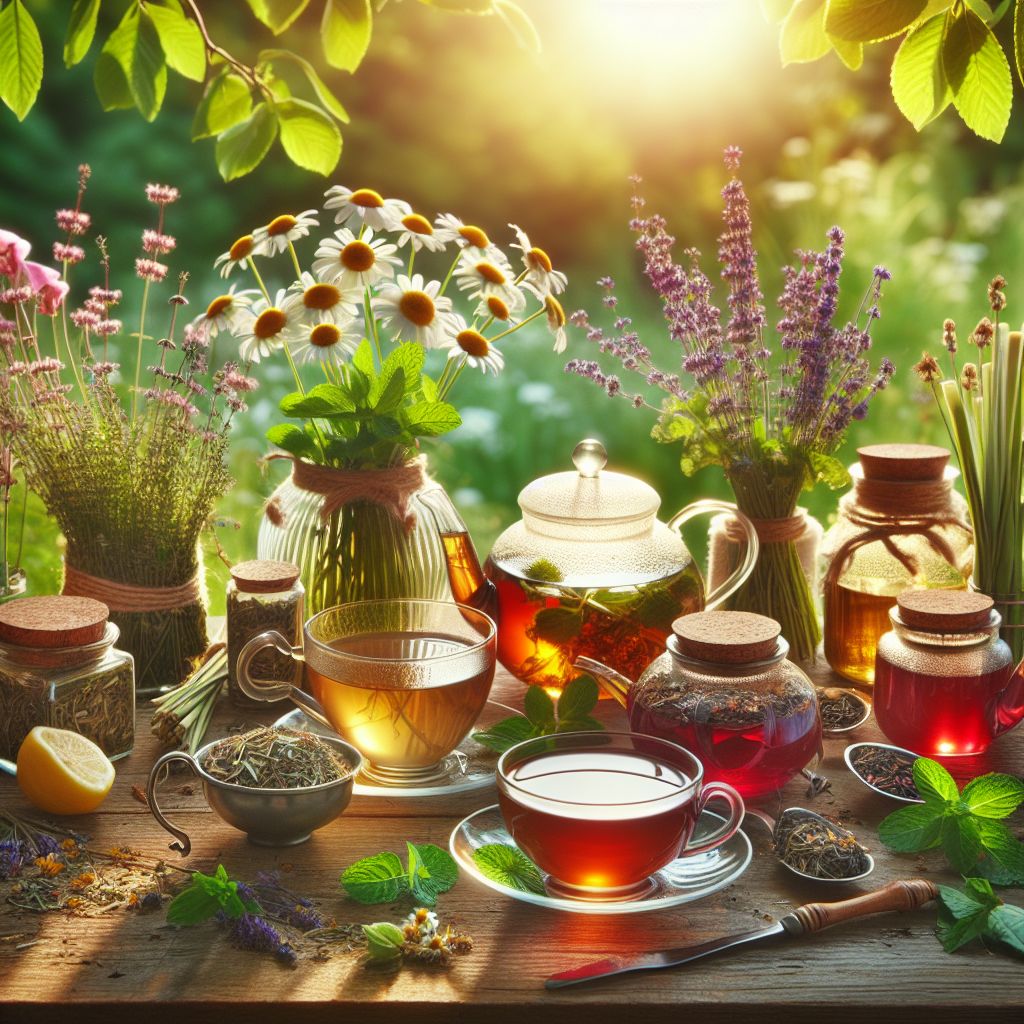
Exploring the Different Types of Herbal Teas and Their Benefits
At Tea The World, we love the variety that herbal teas bring to the cup. Unlike true teas from the Camellia sinensis plant, herbal teas are made from herbs, flowers, fruits, and spices, offering a wide range of flavors and aromas. In this guide, we look at some of the most popular herbal teas, how people traditionally use them, and what research says.
What Are Herbal Teas?
Herbal teas, or tisanes, are made by infusing plant materials such as leaves, flowers, roots, seeds, or bark in hot water. Most are naturally caffeine-free (yerba mate and guayusa are exceptions) and are enjoyed for their comforting qualities and vibrant flavors.
Popular Types of Herbal Teas
1. Chamomile Tea
Chamomile has a gentle, apple-like flavor and is a classic bedtime favorite. It is traditionally used for relaxation and to settle the stomach. Small studies on sleep and digestion show mixed results, so think of it as part of a calming routine. Try Egypt Simply Chamomile.
2. Peppermint Tea
Peppermint is cool and refreshing, and a popular after-meal tea traditionally used for indigestion and bloating. Peppermint oil capsules have been studied for IBS; the tea is milder. Peppermint can worsen heartburn in some people. Try Morocco Simply Tea Peppermint.
3. Hibiscus Tea
Hibiscus has a striking crimson color and tart, fruity flavor. Some small trials have reported modest effects on blood pressure, but it is not a substitute for medical care, and people on blood pressure medication should check with their doctor. Delicious hot or iced.
4. Ginger Tea
Ginger tea is warming and aromatic. Ginger has been studied for nausea, including motion sickness, mostly in supplement form. It is a comforting cup during cold season. Pregnant people should talk with their provider before using ginger regularly for nausea.
5. Rooibos Tea
Rooibos, or “red bush” tea, from South Africa is naturally caffeine-free with a mild, slightly sweet, nutty flavor. It contains antioxidants such as aspalathin. Try it plain or with a splash of milk and honey. Try Green Rooibos Bonita.
6. Lemon Balm Tea
Lemon balm, a member of the mint family, has a gentle lemon aroma and is traditionally used for relaxation. Some small studies of lemon balm extracts have looked at mood and stress, but research on the tea itself is limited.
Other Noteworthy Herbal Teas
- Lavender: Floral and aromatic, often enjoyed as an evening tea.
- Rosehip: Tart and fruity; rose hips naturally contain vitamin C.
- Dandelion: Earthy and slightly bitter, traditionally used as a digestive tea.
- Turmeric: Warm and golden; most curcumin research uses supplements rather than tea.
How to Brew and Enjoy Herbal Teas
- Use fresh, filtered water for the best flavor.
- Steep longer than true tea: Most herbal teas do best with water just off the boil (about 200–212°F) for 5–10 minutes. See our herbal tea temperature chart.
- Cover while steeping to keep the aromatic oils in the cup.
- Experiment with blends to create your own signature flavors.
- Sweeten lightly with honey if you like, without overpowering the herbs.
Herbal Teas as a Daily Ritual
Herbal teas are a simple, caffeine-free way to add flavor and calm to your day. Enjoy them as part of a balanced lifestyle. If you have allergies, are pregnant, or take medications, check with your healthcare provider before adding new herbal teas to your routine.
Explore our tea collection and accessories to find the blend that matches your taste. Whether you’re new to herbal teas or a seasoned enthusiast, there’s always something new to discover.
Related reading: Strawberry leaf tea: benefits and how to brew it
Disclaimer: This article is for educational purposes only and does not provide medical advice.