
What Does Oolong Tea Taste Like? Flavors, Types and Oolong vs. Black Tea
Posted by Ricardo R. Matos, Founder of Tea The World on Oct 10th 2026
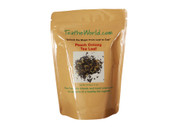
Oolong tea tastes somewhere between green and black tea. Lightly oxidized oolongs are floral, creamy and fresh, with notes of orchid, lilac or butter. Darker, more oxidized and roasted oolongs taste toasty, honeyed and fruity, with hints of stone fruit, caramel or roasted nuts. Most oolongs have a smooth, layered finish and very little bitterness.
What makes oolong different
All true teas come from the same plant, Camellia sinensis. The difference is processing, especially oxidation, the natural browning that happens after leaves are bruised. Green tea is barely oxidized. Black tea is fully oxidized. Oolong sits in between, with oxidation ranging widely from light to heavy depending on the style. That range is why oolong is the most varied family of teas in flavor.
The two main styles of oolong
| Style | Typical flavor | Well-known examples |
|---|---|---|
| Light, green oolong | Floral, creamy, buttery, fresh | Tieguanyin (Iron Goddess), Taiwanese high-mountain oolongs |
| Dark, roasted oolong | Toasty, honeyed, fruity, mineral | Da Hong Pao and other Wuyi rock teas, roasted Taiwanese oolongs |
Oolong is traditionally produced in China's Fujian and Guangdong provinces and in Taiwan. Many oolongs are rolled into tight balls or long twisted leaves that unfurl as they brew.
Oolong vs. black tea
- Oxidation: Oolong is partially oxidized; black tea is fully oxidized.
- Flavor: Black tea is bolder and maltier. Oolong is more layered, with floral, fruity or toasty notes.
- Bitterness: Oolong is usually smoother and more forgiving.
- Re-steeping: Quality oolong often gives 3 to 6 good infusions; black tea usually gives 1 to 2.
- Caffeine: Oolong typically falls between green and black tea, around 30 to 50 mg per 8 oz cup, though it varies.
Oolong vs. green tea
Green tea tastes grassy, vegetal or sweet and brothy. Light oolongs share some of that freshness but add body and floral depth. Dark oolongs are a different experience altogether, closer to roasted or fruity flavors than to green tea.
How to brew oolong tea
- Use hot water: about 185–205°F (85–96°C). Use the lower end for light oolongs and the higher end for dark, roasted ones.
- Measure: about 1 to 2 teaspoons per 8 oz of water. Rolled oolongs expand a lot, so leave room in your infuser.
- Steep: 2 to 3 minutes for the first infusion.
- Re-steep: add 30 seconds to a minute each round. Many oolongs taste best on the second or third cup.
For more on re-steeping, see Can You Reuse Tea Leaves?
Flavored oolongs: an easy way to start
If you're new to oolong, a flavored oolong is a friendly introduction. Fruit pairs naturally with oolong's smooth body, and these blends work well hot or cold-brewed.
Try our oolongs
Peach Oolong: smooth oolong with ripe peach, made for hot brewing or cold brew.
Blackberry Sage Oolong: dark berry and a gentle herbal note.
Frequently asked questions
Is oolong tea bitter?
Usually not. Oolong is known for its smoothness. Bitterness typically comes from water that's too hot for a light oolong or from steeping too long.
Does oolong tea have caffeine?
Yes. It generally has less than black tea and more than many green teas, but the amount varies by tea and brewing method. See our caffeine chart.
Can you drink oolong with milk?
Most oolongs are best without milk so you can taste their floral or toasty notes. Darker, roasted oolongs hold up to a splash of milk better than light ones.
Is oolong good iced?
Yes. Fruity and roasted oolongs make excellent iced tea and cold brew.