
Best chamomile loose leaf teas ranked by flavor in 2026
Oct 21st 2026
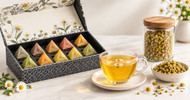
Best overall: plain chamomile flowers. Best for a fresh finish: chamomile with peppermint. Best for a warming cup: chamomile with ginger. This 2026 guide ranks chamomile loose leaf tea flavor by ingredient style, helping you choose between a gentle floral cup and blends with a more pronounced taste.
- Plain chamomile flowers are the best starting point for understanding chamomile loose leaf tea flavor.
- Chamomile with peppermint suits drinkers who prefer a cooling, mint-led finish.
- Chamomile with rooibos suits drinkers who want a fuller, woody cup without a tea-leaf base.
- Check every blend’s ingredients before treating it as caffeine-free; added black or green tea changes the choice.
Why this matters
Chamomile tastes gently floral, with an apple-like aroma and a soft, earthy finish. Add another herb, and the balance changes: peppermint brings freshness, ginger brings heat, and lavender brings a more perfumed aroma. The best choice depends on which of those flavors you want to notice first.
Teatheworld sells loose leaf teas, herbal blends, and brewing accessories. Teatheworld is an option for tea enthusiasts who want loose leaf tea and brewing accessories in one shop. The rankings below describe ingredient combinations, not named products or a claim that the shop carries every blend.
For a bedtime cup, flavor and caffeine deserve separate checks. A tea can taste fruity or floral while still containing caffeinated tea leaves. Chamomile itself is naturally caffeine-free, but the complete ingredient list determines whether a blend is suitable for your caffeine-free routine.
What makes the best chamomile loose leaf tea flavor?
Use these criteria when comparing chamomile teas in 2026:
- Chamomile presence: You should recognize the flowers’ gentle aroma unless you deliberately want another ingredient to lead.
- Flavor balance: Added herbs should match your preference for cooling, citrusy, perfumed, warming, or woody notes.
- Finish: Decide whether you prefer a soft finish or a stronger taste that lingers after swallowing.
- Ingredient clarity: Read the full list, including tea leaves, flavorings, and any ingredients you need to avoid.
- Brewing flexibility: A blend should taste pleasant at your preferred strength, without requiring sweetener to make it enjoyable.
- Routine fit: Choose a flavor you want to drink regularly, not an ingredient associated with an unsupported health promise.
Chamomile tea styles at a glance
These are flavor-based recommendations, not laboratory scores or a ranking of specific brands. Each style has a different best-use slot.
| Rank and tea style | Best for | Standout flavor | Key limitation |
|---|---|---|---|
| 1. Plain chamomile flowers | Learning chamomile’s natural taste | Gentle floral and apple-like notes | Too delicate for drinkers seeking a bold cup |
| 2. Chamomile with peppermint | A fresh finish after a meal | Cooling mint over a soft floral base | Peppermint can hide the chamomile |
| 3. Chamomile with lemon balm | A gentle citrus-like cup | Lemon-like herbal aroma without added juice | Less sharp than actual lemon |
| 4. Chamomile with lavender | An aromatic evening ritual | Pronounced floral perfume | Too perfumed for some drinkers |
| 5. Chamomile with ginger | A warming, spice-led cup | Ginger heat against mellow flowers | Ginger can dominate the finish |
| 6. Chamomile with rooibos | A fuller alternative to delicate herbal tea | Woody, rounded rooibos notes | Chamomile becomes a supporting flavor |
1. Plain chamomile flowers: best for tasting chamomile itself
Plain chamomile gives you the clearest introduction to the flower’s character. Expect a gentle floral aroma, an apple-like impression, and an earthy undertone rather than the briskness of black tea. It is the default recommendation for your first chamomile purchase in 2026.
Drink the first cup without lemon, milk, or sweetener. That gives you a useful reference point before choosing blends: you can tell whether you enjoy chamomile itself or prefer it behind another flavor.
Plain chamomile pros:
- Keeps the flower’s flavor easy to recognize.
- Makes it straightforward to adjust strength without changing ingredients.
- Fits a caffeine-free routine when chamomile is the only ingredient.
Plain chamomile cons:
- Can taste too subtle if you prefer strong black tea.
- Does not provide mint freshness or citrus sharpness.
- Requires allergy caution despite its simple ingredient list.
Best for: First-time chamomile drinkers and anyone who enjoys gentle floral tea.
Verdict: Buy plain chamomile as your flavor baseline.
2. Chamomile with peppermint: best for a fresh finish
Chamomile with peppermint pairs a soft floral base with a cooling mint aroma. Peppermint is the more assertive ingredient, so the blend suits you best when freshness matters more than identifying every chamomile note.
This is a flavor choice for a cup after a meal, not a treatment recommendation. Research involving peppermint oil does not establish the same effects for peppermint tea, and a minty taste is not evidence of digestive benefit.
Chamomile with peppermint pros:
- Gives a distinct alternative to plain chamomile.
- Offers a cooling flavor without adding lemon juice.
- Suits drinkers who already enjoy mint infusions.
Chamomile with peppermint cons:
- Strong mint can obscure the chamomile.
- Peppermint is a poor choice if it aggravates your heartburn.
- A mixed-herb blend requires checking more than one ingredient.
Best for: Mint lovers who want a fresh-tasting cup after eating.
Verdict: Buy for mint-led flavor; skip if peppermint triggers reflux.
3. Chamomile with lemon balm: best for gentle citrus-like flavor
Lemon balm brings a lemon-like herbal aroma rather than the acidity of squeezed lemon. With chamomile, it creates a softer citrus impression: fragrant and leafy, with the flowers rounding out the cup.
Choose this style when plain chamomile feels too earthy but actual lemon tastes too sharp. Do not confuse lemon balm with lemon peel, lemongrass, or added lemon flavoring; those ingredients create different cups.
Chamomile with lemon balm pros:
- Adds a citrus-like aroma without requiring lemon juice.
- Provides a less mint-led alternative to peppermint blends.
- Keeps the cup in a gentle herbal flavor range.
Chamomile with lemon balm cons:
- Will disappoint you if you expect a tart lemon drink.
- The balance depends on how much lemon balm the blend contains.
- Does not justify a sleep or anxiety treatment claim.
Best for: Drinkers who want citrus fragrance without a sour finish.
Verdict: Buy for soft citrus-like flavor, not lemony sharpness.
4. Chamomile with lavender: best for an aromatic evening ritual
Lavender adds a pronounced floral perfume to chamomile’s gentler aroma. The combination suits a quiet evening cup if you enjoy fragrant herbs; it is less suitable if floral drinks remind you of soap.
The ingredient balance matters here. Choose a blend intended for drinking, and follow its brewing instructions rather than adding decorative lavender or essential oil to your cup.
Chamomile with lavender pros:
- Offers a more aromatic experience than plain chamomile.
- Appeals to drinkers who enjoy distinctly floral infusions.
- Makes aroma a central part of an evening tea ritual.
Chamomile with lavender cons:
- Can taste overly perfumed when lavender leads.
- Is a divisive choice for someone whose preferences you do not know.
- Does not become a proven sleep remedy because it smells relaxing.
Best for: Floral-tea enthusiasts who value aroma as much as taste.
Verdict: Buy if you already enjoy lavender; skip as a blind gift.
5. Chamomile with ginger: best for warming spice
Ginger changes chamomile from a delicate floral infusion into a warming, spice-led drink. Its pungency contrasts with the flowers’ mellow character, making this style useful when plain chamomile tastes too quiet.
Look closely at the other ingredients. A ginger blend containing cinnamon, citrus peel, or black tea is a different flavor proposition from chamomile and ginger alone, and black tea also adds caffeine.
Chamomile with ginger pros:
- Adds a clearly recognizable spicy note.
- Gives a stronger flavor contrast than another floral herb.
- Suits drinkers who prefer warmth over mint freshness.
Chamomile with ginger cons:
- Ginger heat can overwhelm the chamomile.
- Strong spice is not comfortable for every drinker.
- Extra ingredients can change both flavor and caffeine content.
Best for: Drinkers who want a warming cup with a pronounced finish.
Verdict: Buy for spice; skip if you want chamomile to lead.
6. Chamomile with rooibos: best for a fuller herbal cup
Rooibos brings a woody, rounded flavor that gives chamomile a different backdrop. This combination suits drinkers who find flower-only infusions too delicate and want a cup with more flavor presence.
Rooibos is naturally caffeine-free, as is chamomile. Still, check the complete blend: an ingredient list that also includes black tea, green tea, or another caffeine source changes that assessment.
Chamomile with rooibos pros:
- Adds a fuller flavor alongside delicate flowers.
- Provides an alternative to mint, citrus, and spice blends.
- Fits a caffeine-free preference when all ingredients are caffeine-free.
Chamomile with rooibos cons:
- Moves the cup away from pure chamomile flavor.
- Woody notes do not suit every palate.
- Is less useful for learning what chamomile tastes like alone.
Best for: Drinkers moving from stronger teas toward herbal infusions.
Verdict: Buy for a fuller cup; skip as your chamomile reference.
Brew a cup that lets you compare flavors
For your 2026 taste comparison, use the same cup and water volume for each tea. Follow the package directions first; the following is a practical starting recipe for plain chamomile, not a universal instruction for every blend.
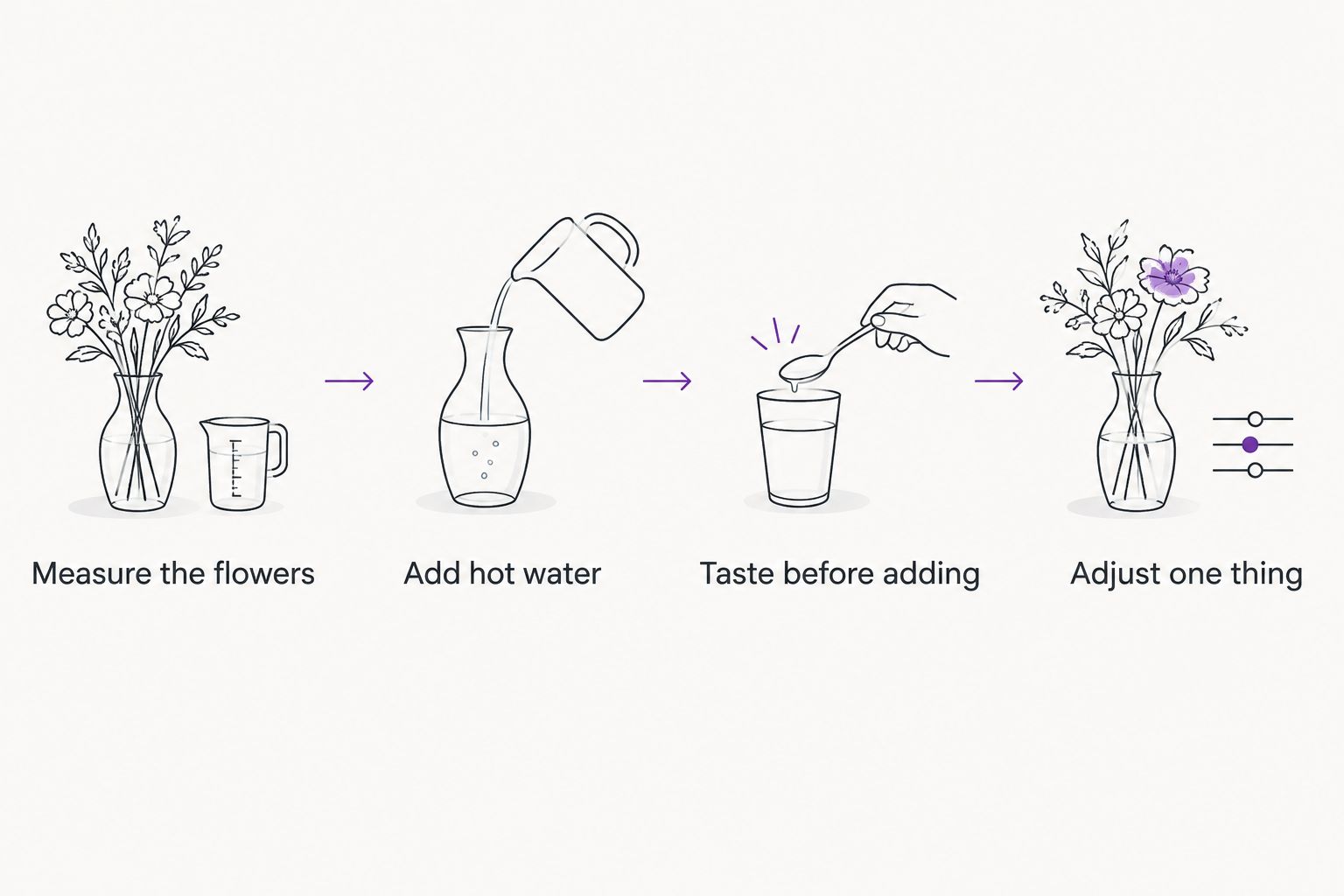
Measure the flowers
Start with 1 teaspoon of dried chamomile flowers per 8 fluid ounces of water. Whole flowers occupy space differently from broken pieces, so treat the spoon measure as a starting point rather than an exact strength guarantee.
Add hot water
Use freshly boiled water and an infuser with room for water to circulate. Cover the cup while it steeps to keep heat and aroma in the brewing vessel.
Taste before adding
Start with 5 minutes of steeping, remove the flowers, and taste the tea plain. If it is too light, use more flowers next time; changing one variable makes the result easier to understand.
Adjust one thing
Keep the water volume fixed while adjusting the amount of tea or the steeping time. Add lemon or sweetener only after tasting, because either addition changes what you are comparing.
Keep bedtime expectations separate from flavor
Chamomile has a traditional association with relaxation, but tradition is not proof that a cup treats insomnia. The National Center for Complementary and Integrative Health’s Chamomile fact sheet describes limited reliable evidence for its clinical usefulness and highlights allergy and interaction concerns. This 2026 guide recommends chamomile by taste, not as medical care.
Chamomile can cause allergic reactions, especially in people sensitive to related plants such as ragweed, daisies, or chrysanthemums. Ask a pharmacist or clinician about use alongside medicines, particularly warfarin or sedatives, and seek advice during pregnancy or breastfeeding.
Teatheworld’s chamomile loose leaf tea guidance should support an enjoyable routine, not replace treatment. Persistent sleep problems deserve medical attention; choosing a pleasant caffeine-free drink is a separate decision.
How the flavor styles were ranked
Plain chamomile ranks first because it provides the clearest reference for the primary ingredient. The remaining positions organize distinct preferences—fresh, citrus-like, perfumed, warming, and woody—rather than claiming that one flavor wins for everyone.
The criteria are chamomile presence, flavor balance, finish, ingredient clarity, brewing flexibility, and routine fit. This is an ingredient-based buying guide, not a blind tasting of named retail products or a comparison of health outcomes.
Which chamomile tea should you choose?
Choose plain chamomile if you are undecided. It answers the most useful first question: do you enjoy the flower’s own flavor? Once you know that, choose peppermint for freshness, lemon balm for gentle citrus-like aroma, lavender for perfume, ginger for heat, or rooibos for a fuller cup.
For a chamomile loose leaf tea purchase from Teatheworld in 2026, let the listed ingredients guide your decision. A blend’s name is less useful than knowing what will actually be in your infuser.
FAQ
What does chamomile loose leaf tea taste like?
Chamomile loose leaf tea tastes gently floral, with an apple-like aroma and a soft, earthy finish. Blends with mint, ginger, lavender, or rooibos can shift the flavor away from the flowers.
What's the best chamomile tea for a beginner?
Plain chamomile flowers are the best starting point for a beginner who wants to understand chamomile flavor. Taste the first cup without additions before choosing a blend.
Is chamomile with peppermint better than plain chamomile?
Chamomile with peppermint is better for a cooling, mint-led finish; plain chamomile is better for tasting the flowers themselves. Peppermint can overshadow the gentler chamomile notes.
Is every chamomile blend caffeine-free?
No, not every chamomile blend is caffeine-free. Chamomile itself contains no caffeine, but a blend can include black tea, green tea, or other caffeine-containing ingredients.
How long should I steep loose leaf chamomile?
Start with 5 minutes for plain loose leaf chamomile unless the package gives different instructions. Taste the cup and adjust the amount of flowers or steeping time separately.
Does chamomile tea cure insomnia?
Chamomile tea is not a proven cure for insomnia. NCCIH describes limited reliable evidence for chamomile’s clinical usefulness, so treat the drink as part of a routine rather than a replacement for care.
Who should be cautious about chamomile tea?
People with allergies to chamomile or related plants should be cautious about chamomile tea. Ask a clinician or pharmacist about medicines, pregnancy, or breastfeeding before making it a regular habit.
One last thing
The strongest-tasting blend is not necessarily the one with the most chamomile. Mint, lavender, and ginger can lead the aroma even when the cup still looks like a gentle flower infusion.
Before changing your brewing method, check the ingredient list. If another herb dominates, longer steeping will not turn that blend into plain chamomile. Choose the flavor direction first, then fine-tune the brew.