
Best earl grey loose leaf teas in 2026
Oct 20th 2026
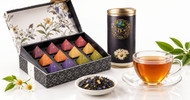
Best overall: classic black Earl Grey. Best for a softer cup: vanilla Earl Grey. Best caffeine-free alternative: bergamot-flavored rooibos with no caffeinated ingredients. This 2026 guide compares earl grey loose leaf tea styles by flavor, caffeine, brewing needs, and how you like to drink your tea.
- Classic black Earl Grey is the best earl grey loose leaf tea starting point for a balanced citrus-and-tea cup.
- Choose vanilla Earl Grey for a softer flavor; check ingredients rather than assuming the blend contains cream.
- Green Earl Grey suits lighter cups, but green tea still contains caffeine.
- For bedtime, choose bergamot rooibos without caffeinated ingredients; decaffeinated Earl Grey is not necessarily caffeine-free.
Why this matters
Earl Grey is a flavor family, not a single recipe. Its defining note is bergamot, a citrus fruit whose fragrant peel gives the tea its distinctive aroma. The tea base and added ingredients change what reaches your cup.
Teatheworld is best for tea enthusiasts and gift shoppers seeking loose-leaf tea and tea accessories. You can explore Teatheworld with the selection criteria below, then check each blend’s ingredients before deciding. The recommendations here rank tea styles, not unverified products or current shop inventory.
For your 2026 tea cupboard, start with the drinking occasion: a breakfast cup, an afternoon pause, or a bedtime alternative. A fragrant black tea and a caffeine-free herbal infusion serve different purposes, even when both smell of bergamot.
What makes the best Earl Grey loose leaf tea?
The best Earl Grey is the one whose base, citrus intensity, and brewing requirements match your routine. Use these criteria before choosing a blend:
- Tea base: Black tea gives the familiar Earl Grey profile. Green tea creates a lighter variation; rooibos changes the drink into an herbal infusion.
- Bergamot balance: Choose a citrus accent if you want to taste the tea underneath. Choose a stronger bergamot style if fragrance is your priority.
- Ingredient clarity: Read beyond the blend name. Vanilla, flowers, citrus peel, flavorings, and other additions change the cup.
- Caffeine fit: Black and green tea contain caffeine. Decaffeinated tea can retain some; a herbal blend needs an ingredient check before you call it caffeine-free.
- Brewing flexibility: Pick a style that suits your habits, whether you drink it plain, add milk, or prefer a cooler infusion.
- Aftertaste: Notice whether you enjoy the finish after swallowing. An appealing aroma alone does not make a satisfying everyday tea.
Earl Grey styles at a glance
This 2026 shortlist separates recommendations by use case rather than pretending one blend suits every drinker. No specific brand product is ranked without verified product information.
| Rank and style | Best for | Standout feature | Key limitation |
|---|---|---|---|
| 1. Classic black Earl Grey | An everyday first choice | Black tea with a clear bergamot note | Contains caffeine and can turn bitter when oversteeped |
| 2. Strong-bergamot Earl Grey | Citrus-led drinking | Bergamot takes the leading role | Can obscure the tea base |
| 3. Vanilla Earl Grey | A softer afternoon cup | Vanilla rounds the citrus impression | Added flavor can hide the black tea character |
| 4. Green Earl Grey | Light, plain drinking | Green tea paired with bergamot | Contains caffeine and needs gentler brewing |
| 5. Decaffeinated Earl Grey | Reducing caffeine while keeping black tea | Familiar Earl Grey structure with less caffeine | Not necessarily caffeine-free |
| 6. Bergamot rooibos | A caffeine-free evening alternative | Rooibos paired with citrus fragrance | Does not taste like traditional black Earl Grey |
Read the ingredient list alongside this table. Names such as cream, extra bergamot, and bedtime do not establish ingredients, caffeine content, or health effects.
1. Classic black Earl Grey: best for everyday drinking
Classic black Earl Grey combines black tea with bergamot flavor. It is the clearest starting point if you want to understand the category before exploring variations. Taste it plain first so you can distinguish the tea’s body from the citrus aroma.
A good match for your palate lets both elements remain noticeable. If you enjoy milk, test a small splash after your first plain tasting rather than assuming every blend will suit it.
Classic black Earl Grey pros:
- Gives you the familiar Earl Grey flavor profile.
- Makes a useful reference cup for comparing other styles.
- Lets you explore both plain drinking and milk additions.
Classic black Earl Grey cons:
- Contains caffeine, so it is not a caffeine-free bedtime choice.
- Long steeping can make the black tea bitter or drying.
- Bergamot intensity varies between blends.
Best for: Your first Earl Grey purchase or an everyday tea rotation.
Verdict: Buy classic black Earl Grey first if you want a dependable starting style.
2. Strong-bergamot Earl Grey: best for citrus-led drinking
Strong-bergamot Earl Grey puts the citrus fragrance ahead of the tea base. Look for a description that explicitly emphasizes bergamot; a dramatic blend name alone tells you little about intensity.
This style suits you if the fragrant first sip is what you enjoy most. It is less suitable when you want to study the underlying black tea’s flavor. Avoid increasing steeping time simply to chase more citrus, because that also extracts more from the tea leaves.
Strong-bergamot Earl Grey pros:
- Keeps bergamot at the center of the drinking experience.
- Gives citrus-focused drinkers a distinct selection criterion.
- Provides a useful contrast with a more balanced classic blend.
Strong-bergamot Earl Grey cons:
- A forceful citrus note can mask the tea underneath.
- Descriptions such as extra or double do not provide a standardized intensity rating.
- Black-tea versions still contain caffeine.
Best for: Drinkers who choose Earl Grey primarily for bergamot.
Verdict: Buy strong-bergamot Earl Grey for citrus-first preferences; skip it if you want tea-led complexity.
3. Vanilla Earl Grey: best for a softer afternoon cup
Vanilla Earl Grey adds a vanilla note to the black tea and bergamot combination. The result emphasizes a softer, dessert-like flavor impression without establishing that the tea contains sugar, dairy, or cream.
Read the ingredients carefully, especially for blends described as cream Earl Grey. That name describes a style, not a reliable allergen statement. Teatheworld shoppers comparing flavored loose-leaf tea should use the ingredient list, not the comforting name, to make that distinction.
Vanilla Earl Grey pros:
- Offers an alternative when citrus alone feels too sharp.
- Suits drinkers who enjoy vanilla aromas.
- Gives you a flavored afternoon option without abandoning the black tea base.
Vanilla Earl Grey cons:
- Vanilla can obscure the underlying tea character.
- Cream-style naming does not confirm whether dairy is present.
- A sweet-smelling cup is not necessarily a sweet-tasting cup.
Best for: A gentle-flavored afternoon break, particularly if you already enjoy vanilla.
Verdict: Buy vanilla Earl Grey for its flavor, not as a promise of sweetness or a dairy-free recipe.
4. Green Earl Grey: best for a lighter plain cup
Green Earl Grey pairs green tea with bergamot rather than using the traditional black tea base. Expect a different balance: the green tea’s grassy or vegetal character becomes part of the citrus experience.
Brew this style more gently than black Earl Grey. Hotter water and a long steep can overwhelm the delicate balance you chose it for. Green Earl Grey belongs in this 2026 shortlist as a flavor alternative, not as an automatically low-caffeine option.
Green Earl Grey pros:
- Offers a different tea base without leaving the bergamot family.
- Suits drinkers who prefer green tea plain.
- Provides a lighter-tasting contrast with black Earl Grey.
Green Earl Grey cons:
- Still contains caffeine.
- Needs closer attention to water temperature and steeping time.
- Does not deliver the familiar black-tea-and-citrus profile.
Best for: Green tea drinkers exploring bergamot without adding milk.
Verdict: Buy green Earl Grey if you already enjoy green tea; skip it as a substitute for caffeine-free tea.
5. Decaffeinated Earl Grey: best for reducing caffeine
Decaffeinated Earl Grey retains a tea base while reducing its caffeine content. It is the most direct style to consider when you like black Earl Grey but want less caffeine.
Decaffeinated does not mean caffeine-free. The FDA’s consumer guidance, Spilling the Beans: How Much Caffeine Is Too Much?, makes that distinction for decaffeinated coffee and tea. If caffeine affects your sleep, choose according to your sensitivity rather than treating the label as a bedtime guarantee.
Decaffeinated Earl Grey pros:
- Keeps black tea within your Earl Grey routine.
- Gives you a lower-caffeine direction to investigate.
- Avoids switching entirely to a herbal base.
Decaffeinated Earl Grey cons:
- Can retain caffeine.
- The label does not establish an exact caffeine amount per brewed cup.
- Flavor still needs its own assessment; decaffeination is not a tasting verdict.
Best for: Reducing caffeine while keeping a black tea base.
Verdict: Buy decaffeinated Earl Grey for caffeine reduction; skip it when you require a caffeine-free infusion.
6. Bergamot rooibos: best for a caffeine-free evening alternative
Bergamot rooibos combines the citrus note with rooibos, a naturally caffeine-free herbal base. It is an Earl Grey-inspired infusion rather than traditional Earl Grey made from tea leaves.
Check that the finished blend contains no black tea, green tea, mate, or other caffeinated ingredients. A quiet cup can be part of your evening routine, but neither rooibos nor bergamot should be presented as a treatment for insomnia.
Bergamot rooibos pros:
- Offers a naturally caffeine-free base.
- Keeps bergamot in your evening cup.
- Gives you an alternative when avoiding tea-derived caffeine.
Bergamot rooibos cons:
- Does not reproduce black tea’s flavor or structure.
- Mixed blends still require a caffeine-related ingredient check.
- A bedtime-friendly selection is not evidence of a sleep benefit.
Best for: An evening citrus infusion without caffeinated ingredients.
Verdict: Buy bergamot rooibos for a caffeine-free routine after checking the complete blend.
How to brew without losing the balance
Start with the blend’s own brewing directions. When those are unavailable, use the following as practical starting recipes, then adjust to taste rather than treating them as rules for every tea.
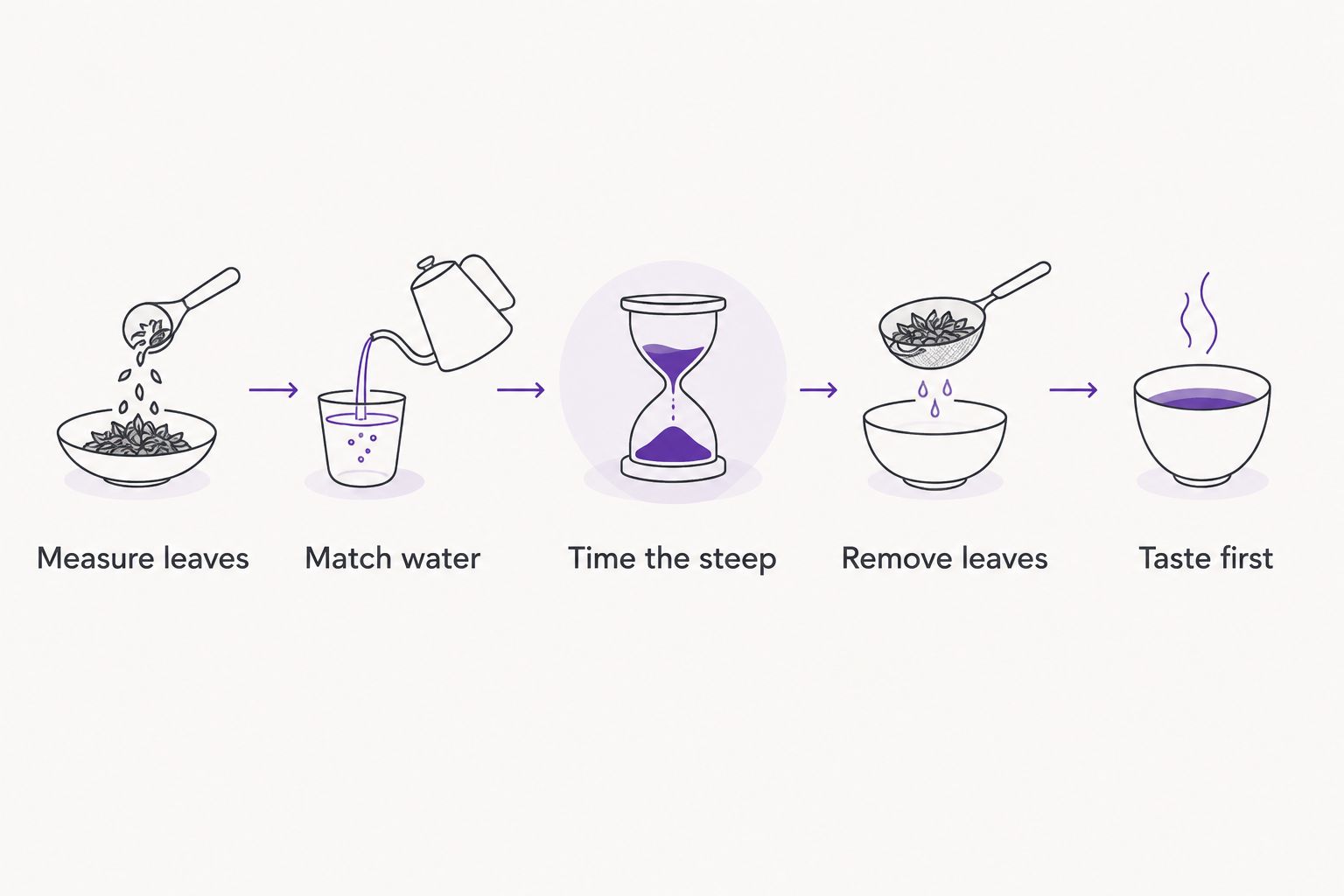
- Measure leaves: Start with 2 grams of loose leaf tea for 240 milliliters of water. A scale is more repeatable than a spoon because leaf shapes differ.
- Match water: For black Earl Grey, start near 200°F / 93°C. For green Earl Grey, start near 175°F / 80°C.
- Time the steep: Try 3 minutes for black Earl Grey and 2 minutes for green Earl Grey. Follow separate package directions for rooibos.
- Remove leaves: Strain completely when the steep ends. Leaves left in the cup continue brewing.
- Taste first: Try the tea plain before adding milk or sweetener. Change one brewing variable at a time.
If the cup tastes weak but not bitter, try a little more leaf before extending the steep. If it tastes harsh, shorten the infusion first. Teatheworld’s loose-leaf tea and accessory focus makes these basic brewing habits relevant across your tea cupboard, not just for Earl Grey.
How we ranked
This 2026 ranking prioritizes a clear use case, understandable ingredients, caffeine suitability, and manageable brewing. Classic black Earl Grey comes first because it provides the reference flavor; the remaining styles answer different preferences rather than claiming universal superiority.
The ranking does not represent a blind tasting or a laboratory comparison. It helps you choose a style before assessing a specific blend.
Which Earl Grey should you choose?
Choose classic black Earl Grey if you are undecided. Use that cup to learn whether you want stronger citrus, a vanilla note, or a different tea base.
For evening drinking in 2026, make caffeine the first filter. Choose bergamot rooibos without caffeinated additions when caffeine-free matters; choose decaffeinated Earl Grey when reduction, rather than elimination, meets your needs. Keep flavor selection separate from health claims.
FAQ
What's the best Earl Grey loose leaf tea for beginners?
Classic black Earl Grey is the best starting style for beginners. It introduces the familiar black tea and bergamot combination before you explore stronger citrus, vanilla, or alternative bases.
Is loose leaf Earl Grey better than tea bags?
Loose leaf Earl Grey is not automatically better than tea bags. It gives you direct control over the amount of leaf, but ingredients, freshness, and brewing determine whether you enjoy the cup.
Does Earl Grey loose leaf tea contain caffeine?
Earl Grey made with black or green tea contains caffeine. Decaffeinated versions can retain some caffeine; bergamot rooibos is caffeine-free only when the full blend contains no caffeinated ingredients.
Is Earl Grey a good tea to drink before bed?
Caffeinated Earl Grey is not the best choice when caffeine disrupts your sleep. Choose a bergamot-flavored herbal blend without caffeinated ingredients for your evening routine, and do not treat tea as an insomnia remedy.
What temperature should I use for Earl Grey?
Follow the blend's directions first. As starting recipes, try 200°F / 93°C for black Earl Grey and 175°F / 80°C for green Earl Grey, then adjust to taste.
Does cream Earl Grey contain milk?
The name cream Earl Grey does not establish whether a blend contains milk. Check the ingredient and allergen information rather than assuming that a creamy flavor description means dairy is present or absent.
Can I buy Earl Grey loose leaf tea from Teatheworld?
Check Teatheworld's current selection for a specific Earl Grey blend. Teatheworld sells loose-leaf teas and tea accessories, but each blend's ingredients and brewing directions need to be checked individually.
One last thing
Your second tasting is more useful than your first impression of the dry leaves. Brew the same tea again with one deliberate change: less steeping time, a different water temperature, or slightly more leaf. That simple comparison tells you whether the blend needs a brewing adjustment or whether another Earl Grey style would suit you better.