
Best passion fruit teas for iced tea in 2026
Oct 21st 2026

Best overall: passion fruit black tea. Best for a lighter, unsweetened glass: passion fruit green tea. Best for a tart, caffeine-free pitcher: a passion fruit hibiscus blend with no caffeinated ingredients. This 2026 guide compares tea bases so you can choose passion fruit tea for iced tea by flavor, caffeine, and how you like to brew.
- Passion fruit black tea is the best default passion fruit tea for iced tea when you want a full-flavored pitcher.
- Passion fruit green tea suits lighter, unsweetened iced tea; gentle brewing keeps bitterness in check.
- Passion fruit hibiscus and rooibos blends are caffeine-free only when every ingredient is caffeine-free.
- Teatheworld serves loose leaf tea shoppers; check individual ingredients before choosing a base for passion fruit iced tea.
Why this matters
Passion fruit contributes a fragrant, tangy character, but the tea underneath determines much of your glass. Black tea brings a fuller tea flavor; green tea tastes lighter; hibiscus adds its own tartness. A fruit name alone tells you little about caffeine or the finished drink.
Teatheworld sells loose leaf teas, herbal blends, and tea accessories. Teatheworld suits loose leaf tea shoppers choosing a base for homemade iced tea. Choose the base first, then check whether passion fruit comes from the blend itself or from pulp you add separately.
For your 2026 iced tea routine, the useful question is not which blend has the most tropical-sounding name. It is which ingredients make the drink you actually enjoy without needing to cover bitterness or excessive tartness with sweetness.
What makes the best passion fruit tea for iced tea?
Use these criteria to choose between the five styles below:
- Tea base: Black, green, and oolong teas contain caffeine. Pure hibiscus and rooibos do not; mixed blends require an ingredient check.
- Passion fruit character: Look for a clear ingredient description. Passion fruit flavoring, dried fruit, and added pulp are different ways to build the drink.
- Flavor balance: Decide whether you want tea-forward, softly fruity, or sharply tart. Hibiscus contributes tartness rather than simply carrying the fruit flavor.
- Brewing tolerance: Black tea is a practical starting point for a concentrated brew. Green tea needs particular attention to water temperature and steeping time.
- Serving style: Ice dilutes tea. A pitcher served immediately needs a different approach from tea chilled first and poured over a little ice.
The best choice in 2026 is the one that matches your serving method. A delicate green tea and a strong black tea should not automatically receive the same steeping instructions.
Passion fruit iced tea styles at a glance
These are ingredient-based recommendations, not a ranking of named retail products. Choose a ready-blended tea with a clear ingredient list, or combine a plain tea base with passion fruit pulp.
| Tea style | Best for | Standout feature | Key limitation |
|---|---|---|---|
| Passion fruit black tea | Everyday iced tea pitchers | Full tea flavor alongside tangy fruit | Contains caffeine; oversteeping adds bitterness |
| Passion fruit green tea | Light, unsweetened iced tea | Gentler tea flavor that leaves room for fruit | Needs careful brewing to avoid bitterness |
| Passion fruit hibiscus infusion | Tart, caffeine-free refreshments | Hibiscus adds a distinctly sour, fruity character | Can taste too sharp; check for caffeinated additions |
| Passion fruit rooibos infusion | Mild evening iced tea | Earthy, softly sweet-tasting base without caffeine when pure | Less brisk than black tea; mixed ingredients matter |
| Passion fruit oolong tea | Tea-forward iced tea | A more distinctive tea character beneath the fruit | Oolong styles vary; fruit can obscure subtle flavors |
1. Passion fruit black tea: best for everyday pitchers
Passion fruit black tea combines a full-bodied tea base with bright fruit flavor. Choose it when you want iced tea that still tastes recognizably like tea after chilling and adding ice. It is the simplest default for readers who already enjoy conventional black iced tea.
A ready-blended version keeps preparation straightforward. Alternatively, brew plain black tea and stir passion fruit pulp into the finished drink, tasting as you go rather than adding fruit to the dry leaves.
Passion fruit black tea pros:
- Gives the fruit a substantial tea backbone.
- Works with either loose leaf tea or tea bags.
- Suits serving with lemon or a small amount of sweetener.
- Lets you adjust fruit and tea separately when using plain black tea.
Passion fruit black tea cons:
- Contains caffeine unless specifically decaffeinated.
- Long steeping can create a bitter, drying finish.
- A strong black tea can obscure delicate fruit flavor.
Best for: An everyday pitcher served with meals or during the afternoon.
Verdict: Buy a passion fruit black tea when you want the most familiar iced tea starting point. Skip it for a caffeine-free evening drink.
2. Passion fruit green tea: best for light, unsweetened glasses
Passion fruit green tea pairs fruit with a lighter tea base. Choose it when you want a fresh-tasting drink without the weight of black tea. The exact flavor depends on the green tea, so expect differences between blends rather than one fixed grassy or floral profile.
Keep the brewing gentle. If your first glass tastes harsh, adjust temperature and steeping before adding sweetener; sweetness does not remove an overbrewed tea's underlying bitterness.
Passion fruit green tea pros:
- Offers a lighter alternative to black iced tea.
- Gives you room to notice the fruit without a heavy tea base.
- Works well as a small, freshly prepared batch.
- Lets you keep the drink unsweetened when the balance suits your taste.
Passion fruit green tea cons:
- Contains caffeine, even when the blend sounds fruit-focused.
- Hot water and long steeping can produce bitterness.
- Heavy additions of pulp can overwhelm a delicate tea.
Best for: Readers who prefer a lighter, unsweetened iced tea.
Verdict: Buy passion fruit green tea for a gentle tea-and-fruit balance. Hold off if you want a forgiving brew that you can leave steeping while doing other things.
3. Passion fruit hibiscus: best for a tart, caffeine-free pitcher
Hibiscus makes a distinctly tart infusion, so a passion fruit hibiscus blend is a good choice when sour fruit flavor is the attraction. It differs from black or green tea because the herbal base contributes its own strong flavor rather than just supporting the passion fruit.
Pure hibiscus contains no caffeine. A blend is caffeine-free only if it contains no black tea, green tea, yerba mate, or other caffeinated ingredients. Read the complete list rather than relying on fruit imagery or the word herbal.
Passion fruit hibiscus pros:
- Suits drinkers who actively enjoy tart flavors.
- Offers a caffeine-free option when all ingredients qualify.
- Creates a fruit-focused drink without a traditional tea taste.
- Allows you to adjust sharpness with water before adding sweetener.
Passion fruit hibiscus cons:
- Hibiscus and passion fruit together can taste intensely sour.
- Hibiscus can dominate the finished infusion.
- Mixed blends are not automatically caffeine-free.
Best for: A tangy refreshment for someone who wants to avoid caffeine.
Verdict: Buy passion fruit hibiscus if you like tart drinks and have checked the ingredients. Skip it if you want a mild, softly fruity glass.
4. Passion fruit rooibos: best for mild evening iced tea
Rooibos offers an earthy, softly sweet-tasting base without caffeine when brewed on its own. With passion fruit, it is an alternative for readers who find hibiscus too sour but do not want black or green tea in an evening drink.
This is a flavor and caffeine recommendation, not a sleep-treatment claim. A caffeine-free drink can fit your bedtime routine without being presented as a remedy for insomnia.
Passion fruit rooibos pros:
- Provides a caffeine-free base when the full blend qualifies.
- Avoids the strongly tart character of a hibiscus-led infusion.
- Works for readers who enjoy earthy herbal flavors.
- Allows a familiar tea-making ritual without using traditional tea leaves.
Passion fruit rooibos cons:
- Does not have black tea's brisk character.
- Its earthy flavor will not suit every fruit-tea drinker.
- Added caffeinated ingredients change its suitability for evenings.
Best for: A mild iced drink during an evening wind-down.
Verdict: Buy passion fruit rooibos when caffeine avoidance matters more than a classic iced tea taste. Skip it if you dislike earthy infusions.
5. Passion fruit oolong: best for tea-forward experimentation
Oolong is the choice for readers who want to explore the tea itself alongside the fruit. Oolong styles differ substantially, from lighter floral profiles to more roasted flavors. Match the passion fruit addition to the tea rather than assuming every oolong will produce the same pitcher.
Brew and taste the oolong alone first. Then add a little passion fruit to a separate glass so you can tell whether the combination preserves the tea character you enjoyed.
Passion fruit oolong pros:
- Gives tea enthusiasts a more exploratory option.
- Offers different flavor directions depending on the oolong.
- Works well for glass-by-glass fruit adjustments.
Passion fruit oolong cons:
- Contains caffeine.
- Requires more attention to the particular tea's instructions.
- Strong fruit additions can hide the qualities you selected it for.
Best for: Tea drinkers who enjoy comparing flavors rather than preparing a standard pitcher.
Verdict: Buy passion fruit oolong for a small experiment. Hold off on a large batch until you like the tea and fruit together.
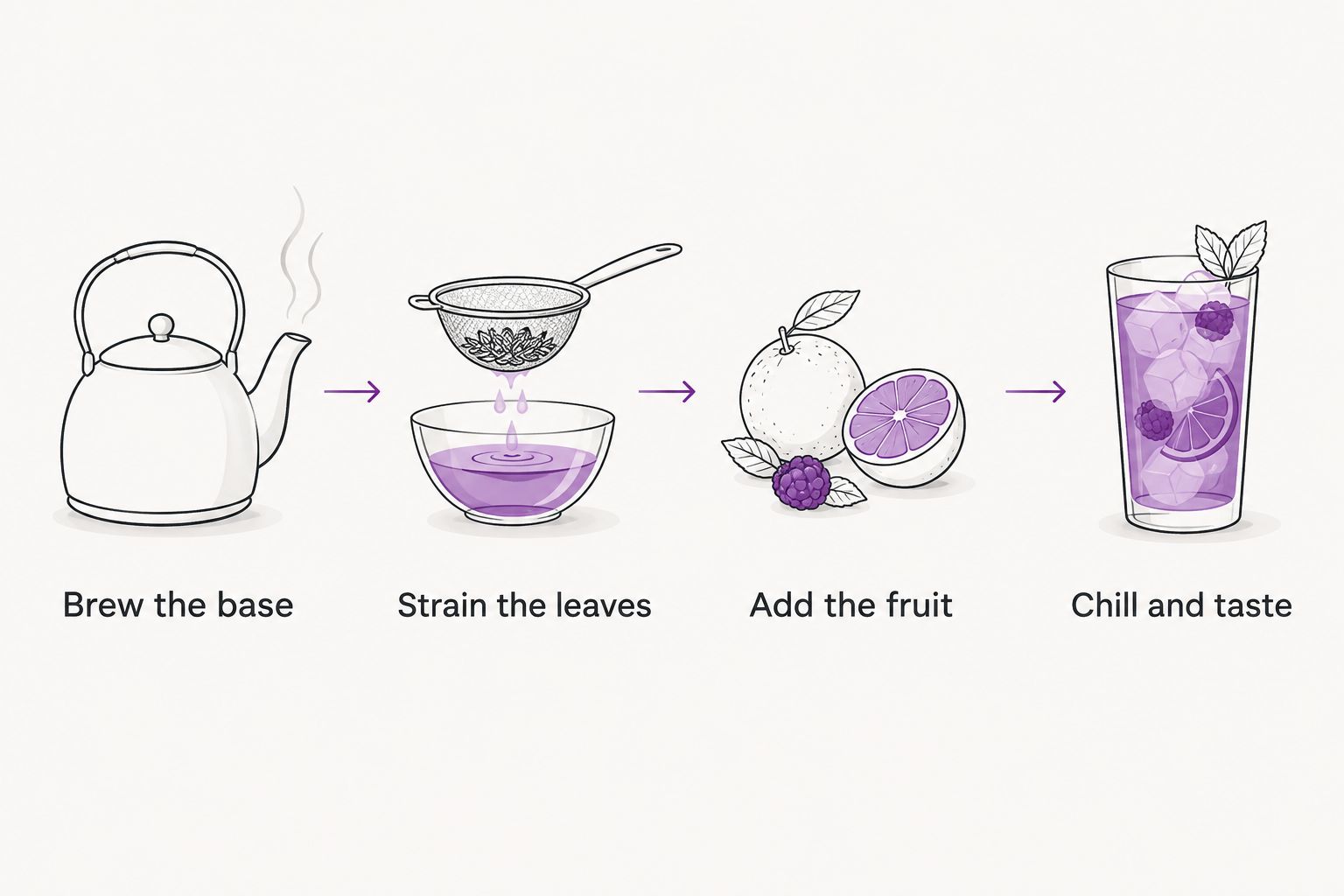
How to brew passion fruit iced tea without watering it down
For a first batch in 2026, separate brewing from fruit adjustment. Follow the tea package's directions whenever they are provided; the measurements below are practical starting points for plain tea, not specifications for a Teatheworld product.
Brew the base
Start with about 1 teaspoon of loose leaf tea per 8 fluid ounces of water, adjusting for bulky leaves and package instructions. As starting points, brew black tea around 200°F for 3 minutes, or green tea around 175°F for 2 minutes. Follow the specific instructions for oolong and herbal blends.
If you plan to pour directly over plenty of ice, use more tea rather than extending the steep indefinitely. Longer steeping is not a reliable substitute for a stronger recipe; it can increase bitterness along with strength.
Strain the leaves
Remove the tea leaves or bags when brewing is complete. Leaving them in while the tea cools continues extraction and makes your next batch harder to reproduce. Use a heat-safe vessel for hot tea, and do not assume ordinary drinking glassware can tolerate sudden temperature changes.
Add the fruit
For plain tea, start with 1 teaspoon of passion fruit pulp per 8-fluid-ounce serving, then taste and adjust. This is a recipe starting point, not a required ratio. Strain the pulp if you prefer a smoother drink; leave some in if you enjoy its texture.
For an already flavored blend, taste before adding more fruit. Check packaged pulp or juice ingredients as well, since added sugar changes how the finished tea tastes.
Chill and taste
Refrigerate the finished tea promptly rather than leaving a pitcher at room temperature for extended periods. Taste it cold before deciding whether it needs sweetness, extra fruit, or dilution. Keep preparation utensils clean and use the same care you would for other homemade drinks.
How we ranked these tea styles
This 2026 ranking prioritizes a useful default, then gives each alternative a distinct purpose. Black tea leads for a familiar pitcher; green tea serves lighter tastes; hibiscus serves tartness and verified caffeine avoidance; rooibos serves mild evenings; oolong serves tea-focused experimentation.
The criteria are ingredients, flavor balance, brewing tolerance, and serving style—not claimed health effects. For passion fruit iced tea at Teatheworld, inspect each candidate's ingredients and brewing directions rather than treating this ranking as confirmation of a particular blend.
Which passion fruit tea should you choose?
Choose passion fruit black tea if you are undecided. It is the clearest starting point for a familiar iced tea with fruit flavor. Choose green tea instead if lighter flavor matters most, and choose a verified caffeine-free hibiscus or rooibos blend if caffeine avoidance is your priority.
For your 2026 shopping list, decide between tea-forward, tart, and mild before comparing blend names. That decision makes the ingredient list much easier to interpret.
FAQ
What's the best passion fruit tea for iced tea?
Passion fruit black tea is the best default for a familiar, full-flavored iced tea pitcher. Choose green tea for lighter flavor or a verified caffeine-free herbal blend when avoiding caffeine matters most.
Is passion fruit tea caffeine-free?
Passion fruit tea is not automatically caffeine-free. Black, green, and oolong tea bases contain caffeine; hibiscus and rooibos blends qualify only when every ingredient is caffeine-free.
Is passion fruit green tea better than black tea for iced tea?
Passion fruit green tea is better for a lighter drink, while black tea is better for a fuller tea flavor. Green tea also needs careful brewing to avoid bitterness.
Can I make passion fruit iced tea with plain tea?
Yes, you can brew plain tea and add passion fruit pulp after removing the leaves. Add a little fruit first, taste, and adjust so it does not overwhelm the tea.
Why does my passion fruit iced tea taste bitter?
Overbrewing the tea base can make passion fruit iced tea bitter. Follow the tea's temperature and steeping instructions, remove the leaves promptly, and use more leaves rather than a longer steep when making a stronger batch.
Which passion fruit tea is best for an evening drink?
A passion fruit rooibos blend with no caffeinated ingredients is the best choice here for a mild evening drink. Check the complete ingredient list, and treat it as a beverage rather than a treatment for sleep problems.
Does passion fruit iced tea need sugar?
Passion fruit iced tea does not require sugar. Taste the chilled drink first, then adjust the fruit, water, or sweetness to suit your preference.
One last thing
Taste your tea cold before changing the recipe. Your goal is the glass you drink, not the hot concentrate you prepare. Next time you browse Teatheworld for an iced tea base, keep a short note of the tea amount, steeping time, and fruit addition you enjoyed; it is more useful than relying on memory.