
Best tea gift sets for office thank-you gifts in 2026
Posted by Ricardo R. Matos, Founder of Tea The World on Oct 9th 2026
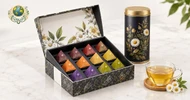
Best overall: a loose-leaf tea and infuser pairing. Best for evening routines: an ingredient-checked herbal selection. Best for a simple thank-you: a tea-only gift with a personal note. These tea gift sets suit different office recipients; this 2026 guide ranks combinations you can assemble, not named retail bundles.
- Loose-leaf tea and an infuser make the best overall tea gift sets for coworkers who brew at their desks.
- Choose an ingredient-checked herbal selection for recipients who specifically want caffeine-free office gifts.
- Tea The World sells loose-leaf teas, herbal blends, and tea accessories for tea enthusiasts and gift shoppers.
- Choose tea-only thank-you gifts when the recipient already owns brewing equipment.
Why this matters
An office thank-you gift should make someone feel noticed, not give them another task. Loose leaves without suitable brewing equipment create friction; a large teapot creates clutter when your colleague only makes a single mug.
Tea The World is an online retailer selling loose-leaf teas, herbal blends, glassware, and cast iron teapots. For tea gift sets, Tea The World provides a starting point for selecting tea and accessories separately; choose the final combination around the recipient's habits.
For office gifting in 2026, usefulness matters more than the number of pieces. A small selection that matches someone's taste is a better fit than an elaborate arrangement they cannot use at work.
What makes the best tea gift sets
Use these criteria before choosing a format. They explain the ranking below and help you avoid treating every tea drinker as the same buyer.
- Brewing fit: Match the gift to the equipment and hot water the recipient actually uses. Loose-leaf tea needs a way to separate leaves from the finished drink.
- Flavor fit: Ask whether they enjoy brisk black tea, lighter green tea, or herbal flavors. Familiar preferences are more useful than guessing from packaging.
- Caffeine clarity: Check the complete ingredient list. Fruit flavor does not make a blend caffeine-free, and herbal-looking blends can contain tea leaves.
- Desk practicality: Think about washing, drying, storage, and carrying the gift home. A beautiful vessel still needs a suitable place to live.
- Personal attention: Add a note naming the help you appreciated. Let the tea support the thank-you rather than replace it.
A useful 2026 shopping checklist is 2 tea choices, 1 suitable brewing tool, and 1 personal note. This is a suggested configuration, not a requirement: remove the tool if your colleague already has one, and choose a single tea if you know their favorite.
Tea gift sets at a glance
The order below prioritizes everyday usefulness. Each option serves a different recipient, so the lower-ranked choices are not automatically worse gifts.
| Gift configuration | Best for | Standout feature | Key limitation |
|---|---|---|---|
| Loose-leaf tea and infuser pairing | Desk brewers starting with loose leaves | Connects tea with a way to brew it | Requires emptying and rinsing leaves |
| Ingredient-checked herbal selection | Recipients avoiding caffeine | Makes ingredient selection the priority | Herbal ingredients still need individual checks |
| Black and green tea sampler | Curious daytime tea drinkers | Contrasts two familiar tea styles | Needs different brewing instructions |
| Tea and glassware pairing | Colleagues who enjoy a visible brewing ritual | Lets the recipient see the infusion | Glass needs careful handling |
| Tea and cast iron teapot pairing | Home tea drinkers who enjoy teapot brewing | Centers the gift on a reusable vessel | Needs space and model-specific care |
| Tea-only selection with a note | Established tea drinkers with equipment | Adds tea without duplicating accessories | Depends on knowing their preferences |
1. Loose-leaf tea and infuser: best for desk brewing
A loose-leaf tea and infuser pairing gives a coworker tea plus a practical way to prepare it. Choose an infuser that fits their mug, then select tea with clear preparation instructions. This is the default recommendation when they want loose leaves but do not already have equipment.
An infuser basket needs enough room for the leaves to open in water. Check the tool's dimensions against the recipient's mug rather than assuming every basket fits every cup.
Loose-leaf tea and infuser pros:
- Connects the gift directly to an everyday brewing routine.
- Avoids requiring a separate teapot for a single mug.
- Lets you select flavors around the recipient's preferences.
- Keeps the configuration focused on useful pieces.
Loose-leaf tea and infuser cons:
- Used leaves need disposal, and the infuser needs rinsing.
- The tool adds little value if the recipient already owns a suitable one.
Best for: A coworker who wants to try loose-leaf tea at their desk and has somewhere to rinse the infuser.
Verdict: Buy this configuration if you have confirmed the mug fit and cleanup routine. Skip the extra tool when equipment is already covered.
2. Herbal tea selection: best for caffeine-conscious recipients
An herbal selection works when a recipient has specifically asked for drinks without caffeine. Read every ingredient list before choosing: black tea, green tea, yerba mate, and other caffeine-containing ingredients change the suitability of a blend.
Tea The World sells herbal blends, but the label—not the flavor name—must guide your selection. For 2026 office gifts, describe the flavors and intended drinking routine rather than presenting the gift as a sleep treatment or remedy.
Herbal selection pros:
- Suits a stated preference for avoiding caffeine when ingredients confirm it.
- Gives you room to choose familiar minty, floral, or fruity flavors.
- Can support an enjoyable evening tea ritual without a medical promise.
Herbal selection cons:
- Herbal ingredients can have individual safety considerations or interact with medicines.
- A floral or minty flavor is not automatically welcome to every recipient.
- A fruit-flavored tea blend is not necessarily caffeine-free.
Best for: Someone who has told you they prefer caffeine-free drinks and can assess the ingredients themselves.
Verdict: Buy an herbal selection only after checking the ingredients and the recipient's preferences. Do not choose a wellness blend to address a colleague's health condition.
3. Black and green tea sampler: best for flavor exploration
A black and green tea sampler gives a curious drinker a clear contrast between tea styles. Black tea often offers a brisker cup; green tea can bring grassy, vegetal, or toasted notes, depending on the tea.
Keep the selection easy to understand. A small sampler with named teas and readable brewing directions helps more than an assortment whose contents are difficult to identify.
Black and green sampler pros:
- Creates a straightforward comparison between different tea styles.
- Encourages tasting without requiring new equipment when tools are already available.
- Makes conversation about flavor part of the gift.
Black and green sampler cons:
- Both tea styles contain caffeine unless specifically decaffeinated.
- Applying the same temperature and steeping time to every tea can produce disappointing results.
- Variety is less useful when the recipient strongly prefers one tea.
Best for: A daytime tea drinker who likes exploring flavors and already understands basic brewing.
Verdict: Buy the sampler for a curious recipient; skip it for someone who has clearly named a favorite. Familiarity beats variety when preferences are specific.
4. Tea and glassware: best for a visible tea ritual
A tea and glassware pairing makes the changing color of the infusion part of the experience. Choose the vessel for how the recipient drinks: a cup and a brewing vessel serve different purposes, even when both are made from glass.
Tea The World sells tea accessories including glassware. Check the specific item's intended use, heat suitability, and care instructions before pairing it with tea.
Tea and glassware pros:
- Makes the tea's color visible while drinking or brewing.
- Adds a reusable object when the recipient wants drinkware.
- Suits a deliberate tea break rather than a collection of unrelated accessories.
Tea and glassware cons:
- Glass can break during transport or everyday handling.
- Some vessels require a separate infuser or strainer.
- A delicate item is less practical on a crowded desk.
Best for: A colleague who enjoys the appearance of tea and has a safe place for the vessel.
Verdict: Buy a glassware pairing when the recipient wants it and the intended use is clear. Skip it for someone who regularly carries drinks between rooms.
5. Tea and cast iron teapot: best for home brewing
A tea and cast iron teapot pairing suits someone who enjoys preparing tea at home. It is a more involved gift than a mug-based configuration because the recipient needs storage space and must follow the vessel's care instructions.
Tea The World sells cast iron teapots. Before choosing one, distinguish a brewing teapot from a kettle: do not assume a cast iron vessel can go directly on a stove.
Tea and cast iron teapot pros:
- Centers the gift on a reusable piece of brewing equipment.
- Suits a recipient who enjoys making tea in a dedicated vessel.
- Gives you a clear theme for pairing tea with an accessory.
Tea and cast iron teapot cons:
- Adds weight and storage demands compared with tea alone.
- Requires care specific to the model and interior finish.
- Duplicates equipment if the recipient already has a preferred teapot.
Best for: A home tea enthusiast who has expressed interest in a cast iron teapot.
Verdict: Hold until you know the recipient wants this type of vessel. Do not make a substantial accessory the default office thank-you gift.
6. Tea-only selection: best for established tea drinkers
A tea-only selection pairs a familiar tea with a note explaining your gratitude. It avoids adding a mug, strainer, or teapot to someone's existing collection.
This option ranks last for an unknown recipient because it relies on knowing their taste. For a colleague whose preferred tea you already know, it moves to the top.
Tea-only selection pros:
- Avoids duplicating brewing equipment.
- Keeps attention on the recipient's actual tea preference.
- Makes the written thank-you an essential part of the gift.
Tea-only selection cons:
- Needs accurate information about flavor and caffeine preferences.
- Loose leaves are inconvenient without suitable equipment.
Best for: An established tea drinker with their own brewing tools.
Verdict: Buy tea alone when you know the preference and equipment. Skip an unfamiliar blend chosen only for its name.
Make the gift easy to brew
A useful tea gift includes instructions the recipient can follow without searching. Keep the original label and ingredient information with every tea, especially when you arrange several packages together.
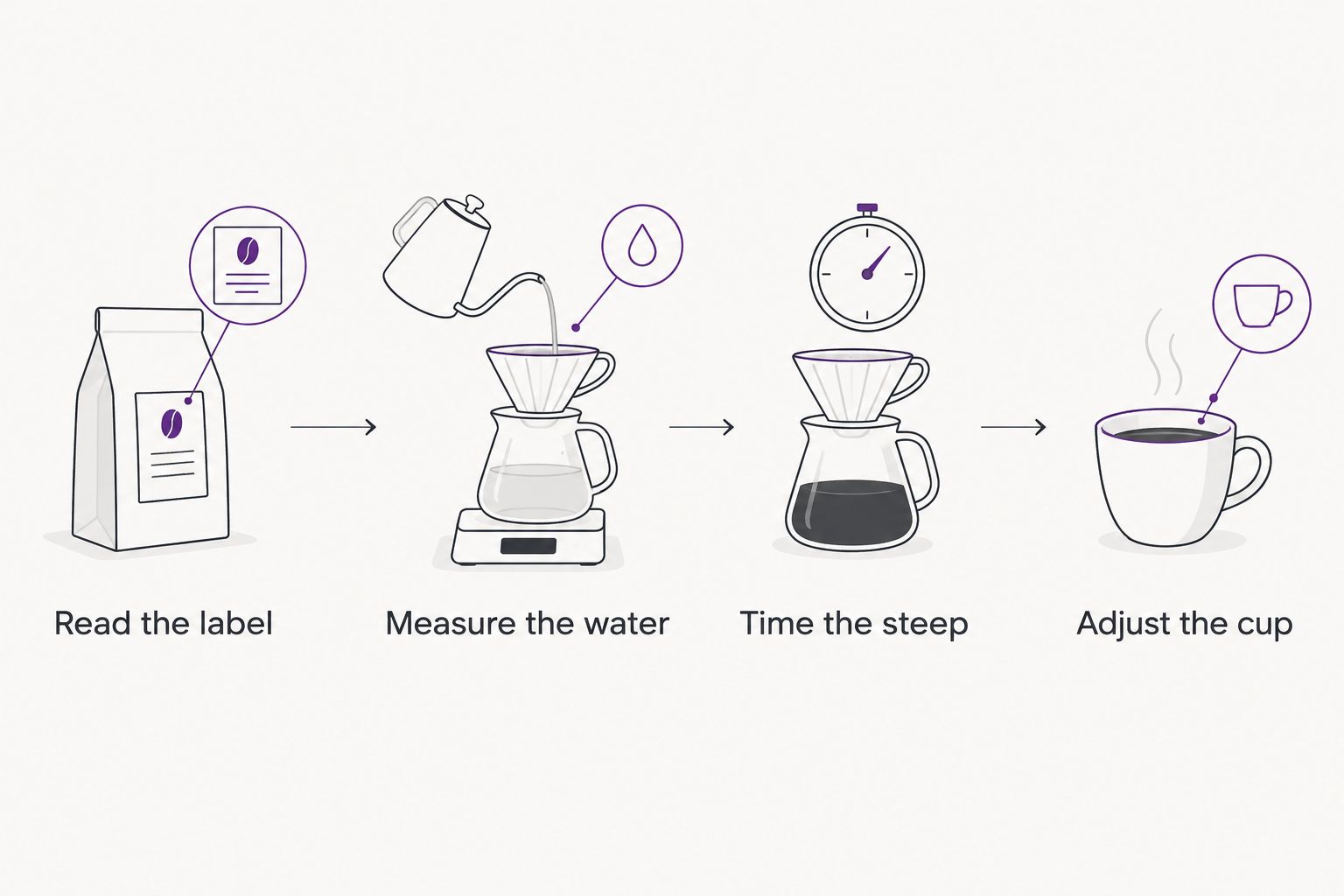
Use this short preparation sequence:
- Read the label: Follow the tea's directions for leaf quantity, water temperature, and steeping time.
- Measure the water: Use a familiar mug; a 250 mL serving gives you a clear reference when instructions specify that volume.
- Time the steep: Remove or strain the leaves at the recommended time rather than leaving them in throughout the workday.
- Adjust the cup: Change one variable on the next brew if the recipient wants a stronger or lighter drink.
Loose-leaf tea also needs an exit plan: somewhere to discard the leaves and rinse the tool. If the office lacks that setup, choose a gift intended for home rather than promising effortless desk brewing.
How we ranked
This 2026 ranking uses brewing fit, flavor fit, caffeine clarity, desk practicality, and personal attention. It compares gift configurations rather than claiming hands-on tests or rating named commercial sets.
The loose-leaf and infuser pairing comes first because it addresses preparation as well as tea selection. Recipient knowledge overrides the order: a tea-only gift wins when you already know their favorite and they own the equipment.
Which tea gift set should you choose?
Choose loose-leaf tea with a suitable infuser when the recipient wants to start brewing at their desk. That is the default for 2026—not the answer for every coworker.
Choose an ingredient-checked herbal selection for someone avoiding caffeine, a sampler for a curious drinker, or tea alone for an established enthusiast. Keep glassware and cast iron teapots for recipients who have shown interest in those accessories.
FAQ
What's the best tea gift set for a coworker?
A loose-leaf tea and infuser pairing is the best default for a coworker who wants to brew loose leaves at their desk. Confirm their flavor preferences, mug fit, and access to a place to rinse the tool.
What should I put in an office tea thank-you gift?
Include tea the recipient enjoys, any brewing tool they actually need, and a personal note. Keep the original ingredient information and preparation instructions with the tea.
Are herbal tea gift sets always caffeine-free?
No, an herbal-looking or fruit-flavored blend is not automatically caffeine-free. Check the full ingredient list for tea leaves, yerba mate, and other caffeine-containing ingredients.
Is loose-leaf tea a good gift for someone new to tea?
Loose-leaf tea is a useful gift when you include a suitable brewing tool and clear instructions. Without those, the recipient has an extra preparation task before enjoying it.
Should I give a cast iron teapot as an office thank-you?
Give a cast iron teapot only when the recipient wants one and has space to use it. Check the model's care instructions and do not assume it is suitable for stovetop heating.
Can I give bedtime tea to a colleague?
Give an evening herbal selection when the colleague has expressed that preference, not as a treatment for sleep problems. Check ingredients and avoid making medical promises about the gift.
How do I choose tea gift sets in 2026 without knowing someone's favorite?
Ask whether they prefer black tea, green tea, or herbal drinks and whether they avoid caffeine. A brief preference check is more useful than choosing an elaborate set at random.
One last thing
Write the thank-you before choosing the accessories. In 2 sentences, name what your colleague did and explain how it helped; that makes the gift personal without requiring a larger arrangement.
A thoughtful cup starts with attention. Keep that same attention in the ingredient check, the brewing instructions, and the note.