
Matcha vs Yerba Mate: Which Is Better for Energy and Focus?
Posted by Ricardo R. Matos, Founder of Tea The World on Jul 7th 2026
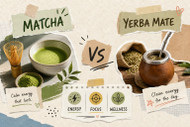
Matcha is the better choice for calm, steady focus, because its caffeine comes paired with L-theanine; yerba mate is the better choice for a stronger, more physical lift, because a traditional serving delivers more caffeine plus theobromine. Both are caffeinated plant drinks with real research behind them, and the right one depends on what your day demands.
What Matcha and Yerba Mate Actually Are
Matcha's Japanese Roots
Matcha is a powdered green tea made from the same plant as all true teas, Camellia sinensis. The tea plants are shaded for several weeks before harvest, which deepens the green color and raises levels of L-theanine and chlorophyll. The leaves are steamed, dried, de-stemmed, and stone-ground into a fine powder. Because you whisk the powder into water and drink it, you consume the whole leaf rather than an infusion of it.
Grade matters. Ceremonial-grade matcha is made from young, tender leaves and has a naturally sweet, umami-rich flavor with a vivid green color. Culinary-grade matcha uses older leaves, tastes more bitter, and is better suited to lattes and baking. For drinking straight, choose ceremonial.
Yerba Mate's South American Roots
Yerba mate comes from Ilex paraguariensis, a holly plant native to the subtropical forests of South America. It has been a cultural staple in Argentina, Brazil, Paraguay, and Uruguay for centuries, traditionally shared from a hollowed gourd through a metal straw called a bombilla. Passing the gourd is a social ritual, much as a Japanese tea ceremony gives matcha meaning beyond the cup.
Both drinks contain caffeine and polyphenols and have devoted followings. The differences that matter are in their compound profiles and how they deliver energy.
Matcha vs Yerba Mate: Caffeine and How It Feels
Matcha's Caffeine per Serving
A 1-gram serving of matcha contains roughly 30–40 mg of caffeine, so a typical 2-gram serving provides about 60–70 mg, depending on the grade and product.
Matcha's caffeine arrives with L-theanine, an amino acid studied for promoting calm, focused alertness. Many matcha drinkers describe the result as steady energy, sharper without feeling wired.
Yerba Mate's Caffeine: Gourd vs. Tea Bag
A traditional gourd serving can deliver around 80 mg of caffeine, while a steeped tea bag provides less, often around 30–40 mg. The real variable with traditional mate is refills: a gourd is typically refilled many times in one session, so total caffeine can add up quickly, sometimes to 250 mg or more.
Yerba mate's energy tends to feel more physically stimulating, closer to coffee than to green tea. Without matcha's notable L-theanine content, the effect can feel faster and stronger, which some people like before a workout and others find too much for focused desk work.
Key Compounds and What the Research Shows
EGCG and L-Theanine in Matcha
Matcha's standout compounds are catechins, led by EGCG (epigallocatechin gallate), and L-theanine. Because you drink the whole leaf, a serving of matcha generally delivers more catechins than a cup of steeped green tea, though amounts vary by product.
Human studies of caffeine and L-theanine together report modest improvements in attention and alertness compared with either compound alone. See this review of L-theanine and caffeine research and one trial of 97 mg L-theanine with 40 mg caffeine that found improved accuracy on demanding tasks. The effects are real but modest, and individual responses vary.
Polyphenols and Theobromine in Yerba Mate
Yerba mate provides caffeine, theobromine (also found in chocolate), and polyphenols, particularly chlorogenic acids. Where matcha is rich in catechins, yerba mate is rich in chlorogenic acids, so their polyphenol profiles are genuinely different.
Research on yerba mate has focused largely on metabolism and exercise, with some studies reporting effects on fat use during exercise and on post-meal blood sugar. Findings are mixed and studies are generally small, so yerba mate should not be considered a weight-loss or blood sugar treatment.
What This Means in Practice
For calm focus, the caffeine-plus-L-theanine pairing in matcha has the more relevant research. For a stronger physical lift, yerba mate's higher caffeine per traditional session delivers more stimulation. Think of them as tools for different jobs.
Taste, Texture, and How to Prepare Each One
Preparing Matcha
Good ceremonial matcha is grassy, naturally sweet, and rich in umami. Bitterness usually signals lower-grade powder or water that is too hot. For a traditional bowl (usucha), sift about 1–2 grams into a bowl, add about 2–3 oz of water at 160–175°F (70–80°C), and whisk briskly in a zigzag motion until frothy.
For a latte, whisk or froth the matcha with a small splash of hot water until fully dissolved, then add steamed or cold milk. For iced matcha, dissolve the powder in a little warm water first, then add cold milk or water and ice. Fully dissolving the powder before adding cold liquid prevents clumps.
Preparing Yerba Mate
Yerba mate is earthy, grassy, and pleasantly bitter, sometimes with a smoky note. The easiest method: steep 1–2 teaspoons in a mug infuser or French press with hot, not boiling, water (about 160–180°F) for 3–5 minutes, then strain. Citrus or a little honey softens the bitterness. For the traditional gourd method, fill the gourd partway, tilt the leaves to one side, and pour water into the empty space so the leaves release flavor gradually across refills.
Where to Find Quality Matcha
Quality varies widely, especially with matcha. Our Organic Ceremonial Matcha comes from Shizuoka, Japan, and is made from shade-grown tencha leaves, with a balance of umami, sweetness, and subtle grassiness. Tea The World does not currently carry yerba mate, but if you are exploring caffeinated alternatives to coffee, our herbal tea vs green tea guide compares other options.
Which One Fits Your Goal Better
Best for Calm Focus
Matcha is the natural pick for desk work, studying, or creative projects. Its L-theanine and moderate caffeine create an alert-but-relaxed state, and it is often gentler for people who find coffee too intense.
Best for a Strong Physical Lift
Yerba mate is the better fit for high-output physical days or a pre-workout drink. A traditional session provides more caffeine, plus theobromine, for a more energizing effect.
Best for Catechin Intake
Because you consume the whole ground leaf, matcha delivers green tea catechins such as EGCG more efficiently than steeped tea. If adding green tea polyphenols to your routine matters to you, matcha is the more concentrated choice.
Safety: How Much Is Too Much
Daily Amounts
Both drinks are fine for most healthy adults in moderation. For matcha, 1–2 servings (about 2–4 grams) a day is a reasonable range. For yerba mate, keeping to one gourd session a day helps avoid excess caffeine. The FDA cites 400 mg of caffeine a day as an amount not generally associated with negative effects for most healthy adults, but individual sensitivity varies.
The liver concerns sometimes mentioned with green tea relate to concentrated green tea extract supplements, not to matcha at normal serving sizes. For yerba mate, some studies have linked very frequent consumption of very hot mate to a higher risk of esophageal cancer; letting it cool to a comfortable temperature is a sensible habit.
Pregnancy, Medications, and Other Considerations
Both drinks contain caffeine. The American College of Obstetricians and Gynecologists recommends keeping caffeine under 200 mg a day during pregnancy. Tea can reduce iron absorption, so spacing matcha away from iron-rich meals or prenatal vitamins is a simple precaution. If you take stimulant medications, blood pressure medication, or blood thinners, check with a clinician before making either drink a daily habit.
FAQ
Is matcha or yerba mate better for focus?
Matcha is generally better for calm focus because its caffeine comes with L-theanine, a combination studied for alert, relaxed attention. Yerba mate tends to feel more physically stimulating.
Which has more caffeine, matcha or yerba mate?
A 2-gram serving of matcha has about 60 to 70 mg of caffeine. A single gourd of yerba mate has around 80 mg, and a full traditional session with refills can reach 250 mg or more.
Is yerba mate a tea?
Yerba mate is not a true tea; it comes from the Ilex paraguariensis holly plant rather than Camellia sinensis. Unlike most herbal infusions, it naturally contains caffeine.
What temperature should I use for matcha?
Use water around 160 to 175°F (70 to 80°C). Boiling water can make matcha taste bitter.
How much matcha per day is safe?
For most healthy adults, 1 to 2 servings (about 2 to 4 grams) a day is a reasonable range. Keep total caffeine in mind, especially if you are pregnant or sensitive to caffeine.
The Bottom Line
Matcha and yerba mate are both legitimate energizing drinks; they simply work differently. For calm, sustained focus and concentrated green tea catechins, choose matcha. For a stronger physical lift, yerba mate earns its place. Plenty of people enjoy both: matcha at the desk, mate before training.
If you are ready to start with matcha, our Organic Ceremonial Matcha from Shizuoka, Japan, is a smooth, umami-rich place to begin.