
Organic Leaf Green Tea: Sourcing & Quality
Posted by Ricardo R. Matos, Founder of Tea The World on Jul 20th 2026
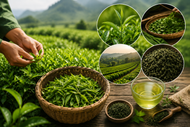
Organic leaf green tea is tea grown without synthetic fertilizers and pesticides, and in the U.S. it may only be sold as organic when it is certified to the USDA National Organic Program standard. Quality, however, depends on more than that label: growing conditions, careful harvesting, gentle processing, and good storage all shape the final cup.
Green tea has a long history, but its quality depends on much more than the name on the packet. The way leaves are grown, picked, handled, dried, packed, and brewed all shape the final cup.
For Tea The World, tea sourcing is about tradition, care, wellness, and clear education. This guide explains how organic leaf green tea is sourced and how quality is checked, so everyday tea drinkers can understand what makes a clean, fresh, and balanced cup worth enjoying.
What Organic Leaf Green Tea Means
Organic leaf green tea is made from tea leaves grown with careful attention to soil, plants, and the surrounding environment. The word “organic” means the tea is grown without synthetic chemical fertilizers or most synthetic pesticides. The word “leaf” matters too, because whole or larger leaves often give a cleaner taste and a more layered cup than very broken pieces.
For people choosing loose leaf green tea, the main goal is often simple. They want a tea that feels closer to nature, has a fresh taste, and supports a thoughtful tea routine.
How to Verify an Organic Claim
In the United States, “organic” is a regulated term. A tea sold as organic must be certified by a USDA-accredited certifying agent, and certified products may display the USDA Organic seal. The certifier’s name usually appears on the package as well.
- Look for the seal or certifier: the USDA Organic seal or a named certifying agent is the clearest sign.
- Read the wording: “all-natural,” “clean,” or “pure” describe a product, but they are not the same as organic certification.
- Ask when unsure: a reputable seller can tell you whether a specific tea is certified.
An organic label also does not guarantee great flavor on its own. The sourcing and handling steps below matter for every tea, certified or not.
Why Sourcing Matters So Much
Sourcing is the first major step in quality. A good green tea begins before the leaves are processed. It starts with the location of the tea garden, the growing conditions, and the skill of the people who care for the plants.
At Tea The World, sourcing is guided by three main ideas:
- Choosing high-quality tea gardens and producers with care.
- Respecting the culture and traditions behind each tea.
- Selecting teas that offer freshness, flavor, and a refined cup experience.
Good sourcing is not only about buying leaves. It is about understanding where the tea comes from and how its story reaches the cup.
The Role of Growing Conditions
Green tea quality is strongly shaped by the natural conditions around the tea plants. Soil, rainfall, sunlight, altitude, and season can all affect the taste of the leaves. Even small differences in weather can change the final character of the tea.
Important growing factors include:
- Healthy soil that supports strong tea plants.
- Clean growing surroundings that protect leaf quality.
- Balanced sunlight that helps leaves develop flavor.
- Careful harvest timing that keeps the leaves fresh.
When these conditions are respected, the tea can offer a smoother taste, a pleasant aroma, and a cleaner finish.
How Careful Harvesting Protects Flavor
Harvesting is one of the most important stages in green tea production. Young and tender leaves are often valued because they can bring a fresh, gentle, and bright taste. If leaves are picked too late or handled roughly, the tea may lose some of its natural quality.
Careful harvesting usually focuses on:
- Picking leaves at the right stage of growth.
- Handling the leaves gently after picking.
- Moving the leaves quickly for processing.
- Avoiding damage that can affect taste and aroma.
This careful approach helps protect the natural character of the tea before processing begins.
Processing Green Tea After Harvest
Green tea is different from black tea because the leaves are heated soon after picking to stop oxidation, which preserves their green character. After that, the leaves are usually rolled, shaped, and dried. The exact process can vary, but the purpose is to protect freshness and create a balanced flavor.
Here is a simple look at the process:
| Step | Purpose | Quality Sign |
|---|---|---|
| Heating | Stops oxidation and preserves the green leaf character | Fresh aroma and clean color |
| Rolling | Shapes the leaves and supports flavor release | Even leaf shape and texture |
| Drying | Reduces moisture for better storage | Crisp leaves without a dull smell |
| Sorting | Removes unwanted pieces | Cleaner and more consistent tea |
Each step must be handled with care because rushed or poor processing can affect the final cup.
What Quality Looks Like in the Dry Leaf
Before brewing, the dry leaves can tell a lot about quality. While appearance is not the only factor, it gives useful clues. Good green tea leaves often look fresh, clean, and even. The color may vary, but it should not look overly dull or dusty.
When looking at dry leaves, check for:
- A fresh and natural leaf smell.
- A clean appearance without too much dust.
- Even leaf size and careful shaping.
- No stale, musty, or flat aroma.
Tea The World focuses on carefully selected teas that offer freshness, depth of flavor, and a refined cup experience for daily tea drinkers.
Aroma, Color, and Taste in the Cup
Once brewed, the true quality of green tea becomes easier to notice. A good cup should feel balanced, not harsh. The aroma should be pleasant, and the taste should be clean enough to enjoy without needing to hide it with extra ingredients.
A quality cup may show:
- A fresh aroma that feels light and natural.
- A clear liquor color that looks clean.
- A balanced taste with little bitterness when brewed correctly.
- A smooth finish that does not feel heavy.
To judge a green tea fairly, brew it gently: about 1 teaspoon per 8 oz of water at 175–185°F (80–85°C) for 2–3 minutes. Boiling water or a long steep can make even an excellent green tea taste bitter. Our guide to how loose leaf green tea enhances flavor covers brewing in more detail.
If you would like to taste the difference yourself, our Turkish Apricot & Peach Green Tea is an all-natural loose leaf green tea with fruit, and our India Simply Green Tea offers a smooth, crisp Indian green tea in unbleached tea bags. Check each product page for its exact ingredients and details.
Why Storage and Packaging Matter
Even well-sourced tea can lose quality if it is not stored properly. Green tea is sensitive to air, heat, light, moisture, and strong odors. This is why thoughtful packaging and storage are important after the tea leaves leave the producer.
Good storage habits include:
- Keeping tea in a cool and dry place.
- Closing the package tightly after each use.
- Keeping tea away from sunlight and steam.
- Avoiding storage near spices or strong-smelling foods.
Tea The World supports eco-conscious packaging choices while also paying attention to freshness and the overall tea experience.
FAQ
What does organic green tea mean?
Organic green tea is grown without synthetic fertilizers or most synthetic pesticides. In the U.S., tea sold as organic must be certified by a USDA-accredited certifying agent.
How can I tell if a green tea is really organic?
Look for the USDA Organic seal or the name of a certifying agent on the package. Words like all-natural or pure are not the same as organic certification.
Is organic green tea always better quality?
Not automatically. Organic certification describes how the tea is grown, while flavor and freshness also depend on harvesting, processing, storage, and brewing.
What does good quality green tea look like?
Good dry green tea looks clean and even, with little dust and a fresh, natural smell. Once brewed, it should have a clear color, pleasant aroma, and balanced taste with little bitterness.
How should I store green tea to keep it fresh?
Keep green tea in a tightly closed container in a cool, dry, dark place, away from steam, sunlight, and strong-smelling foods.
Final Words
Choosing green tea becomes easier when people understand sourcing and quality. Look for tea that has been selected with care, stored well, and explained clearly. A good tea should not only taste pleasant, but also connect the drinker with the place, process, and people behind the leaves.
Tea The World brings together tradition, wellness, and education in a simple way. When choosing green tea, focus on freshness, clean aroma, balanced taste, responsible sourcing, and clear labeling. A thoughtful cup begins with knowledge, and that knowledge makes every sip more meaningful.