
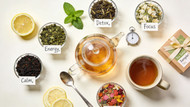
Many tea brands around the world now offer certified organic teas. This guide looks at how those organic teas are described, the main types you’ll see, simple brewing principles, and why tea has become a favorite gift for tea lovers.
Why Organic Tea Appears in Daily Rituals
Tea is one of the world’s most widely enjoyed beverages, valued for its flavor and cultural traditions. As interest in organic products has grown, more companies have introduced organic versions of classic teas.
From bold black teas to calming herbal blends, many modern guides and gift lists highlight organic options as part of a mindful lifestyle, focusing on taste, farming practices, and personal rituals.
Organic Tea Types and How They Are Enjoyed
Certified organic “true teas,” including black, green, oolong, and white, still come from the Camellia sinensis plant, but are grown and processed according to organic farming standards set by certifying bodies.
Organic green and white teas are often described as lightly processed with delicate aromas, while organic black and many organic oolongs are more oxidized and offer a stronger taste and higher caffeine—frequently chosen for morning or mid‑day cups.
Organic herbal infusions such as chamomile, peppermint, rooibos, and hibiscus are naturally caffeine‑free and are commonly recommended for evening routines or moments of unwinding.
Many organic‑focused brands and wellness resources curate herbal blends with themes like “sleep,” “calm,” or “focus,” helping shoppers pick teas by occasion and flavor preference. These descriptions reflect how those brands present their products, not medical advice.
How Organic Teas Are Discussed in Wellness Research
Published research has explored how tea in general fits into overall patterns of diet and lifestyle, including potential relationships to various general wellness measures. Some of that work includes organic teas as part of broader tea consumption studies.
Scientists often focus on naturally occurring compounds in tea—such as catechins in green tea and theaflavins in black tea—and how these may interact with normal body processes. These findings are population‑level observations and do not turn tea, organic or otherwise, into a treatment or cure for any disease.
Many consumers use tea as a low‑calorie, enjoyable habit alongside health guidance they receive from their own healthcare professionals.
Brewing Basics for Organic Tea
Brewing recommendations for organic teas are similar to those for non‑organic teas from the same category. Water temperature and steep time are key to getting a smooth, flavorful cup.
For organic green and white teas, many guides suggest water below boiling, while organic black and oolong teas are often brewed with hotter water and slightly longer steeps, adjusted to avoid excessive bitterness.
For organic herbal blends, a longer infusion—often between five and seven minutes—is commonly recommended to develop aroma and flavor fully. See our guide on how long to steep tea for details.
Organic Tea as a Thoughtful Gift
Gift guides from lifestyle, food, and wellness publications frequently feature organic tea samplers, teapots, and curated tea lover sets as go‑to presents for birthdays, holidays, and special occasions.
Well‑chosen tea gifts can combine flavor discovery, self‑care, and design. For ideas, see our guide to the best tea gift sets for beginners.
Tea The World is continuing to build relationships with a range of growers and suppliers. Some of our teas are made with organic ingredients, and each product page says so when they are.
Disclaimer: This article is for general educational and lifestyle purposes only. Tea The World does not claim organic certification for all of its products. Nothing here is medical advice, and tea products are not intended to diagnose, treat, cure, or prevent any disease. Individuals with health questions or conditions should consult a qualified healthcare professional.