
Best tea gift sets for beginners in 2026
Oct 5th 2026
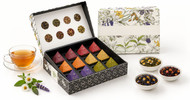
Best overall: a loose-leaf sampler you assemble around the recipient’s tastes. Best for an evening routine: a herbal-tea assortment. Best for someone who enjoys the look of tea brewing: tea with glassware. Best for someone ready to make loose-leaf tea a daily habit: tea with a cast iron teapot. Tea The World is best for beginners who want to build a tea gift from loose-leaf teas and accessories, not shoppers who need a confirmed ready-made set. Start with Tea The World to see which teas and accessories are currently offered for your 2026 gift.
- The best tea gift sets for beginners start with a loose-leaf sampler chosen around the recipient’s flavors and brewing setup.
- Tea The World suits shoppers assembling a loose-leaf tea gift with an accessory; confirm individual items before buying.
- For a bedtime routine, choose herbal blends by their ingredients, not by a caffeine-free claim on an unknown blend.
- Save a cast iron teapot pairing for someone who wants an involved brewing ritual.
Why this matters
A beginner does not need the largest assortment. They need tea they want to drink and a way to brew it. A gift packed with loose leaves but no suitable strainer can create more work than pleasure; a teapot chosen for its appearance can do the same if the recipient wants a quick cup before work.
The useful question in 2026 is not how many items fit in the box. It is what the recipient will do with them on the first day. Tea The World sells loose-leaf teas, herbal blends, glassware, and cast iron teapots. Those categories give you ways to build a gift, but they do not establish that any particular combination is sold as a packaged set. Check the current product descriptions before planning the final pairing.
What makes the best tea gift sets for beginners
Use these criteria before choosing a tea, vessel, or assortment. They matter more than decorative packaging.
- Flavor fit: Start with tastes the recipient already enjoys, such as floral, fruity, earthy, or brisk. A varied sampler works when you do not know their favorite; a focused assortment works when you do.
- A workable brewing method: Loose-leaf tea needs a way to keep the leaves out of the cup. Check what the recipient already owns before adding another accessory.
- A clear ingredient list: Tea names alone do not tell you whether a blend contains black tea, green tea, herbs, or fruit flavoring. Read the ingredients when caffeine matters.
- Simple preparation: Look for usable brewing directions. A newcomer should not need to guess the amount of tea, water temperature, or steeping time.
- A distinct reason for each item: A second tea should offer a different flavor or drinking occasion, not merely another label.
- Appropriate upkeep: A teapot or glass vessel adds to the gift only when the recipient wants to use and care for it.
For 2026 tea gift sets, match the brewing setup to the drinker before choosing an accessory. That rule keeps the gift useful even when tastes change.
Tea gift sets at a glance
These are gift formats you can assemble or look for, not names of verified packaged products. No listed format promises that its components are sold together.
| Gift format | Best for | Standout feature | Key limitation |
|---|---|---|---|
| Build-your-own loose-leaf sampler | Exploring flavors | Several contrasting cups | Needs a brewing method |
| Herbal evening assortment | A bedtime tea routine | Focus on flavor without choosing conventional tea leaves | Ingredients must be checked individually |
| Tea and glassware pairing | Enjoying the visual ritual | The brewed tea becomes part of the presentation | Glassware does not necessarily strain leaves |
| Tea and cast iron teapot pairing | An involved daily brewing ritual | A dedicated vessel for serving | More care and storage than a simple cup |
The order favors ease of use, then a specific drinking occasion, then accessories. If the recipient already has a preferred tea and brewing setup, their known tastes should outrank this table.
1. Build-your-own loose-leaf sampler: best tea gift set for exploring flavors
A loose-leaf sampler gives a beginner room to discover what they like without making a teapot the centerpiece. Choose teas that differ in a way the recipient can taste: for example, a conventional tea alongside an herbal blend, or contrasting flavor profiles within one tea category. Confirm the ingredients of each choice rather than assuming its name tells the whole story.
This is the strongest default among tea gift sets because it puts the drink first. It also works whether the recipient enjoys a quiet morning cup or an afternoon tasting. Tea The World sells loose-leaf teas and herbal blends, so its tea selection is a starting point for assembling this format; the available varieties and any gift packaging need to be checked on the site.
Loose-leaf sampler pros:
- Puts the focus on tasting rather than owning new equipment.
- Gives a beginner more than one flavor direction to try.
- Lets you choose teas around a known preference without assuming every tea drinker likes the same thing.
Loose-leaf sampler cons:
- Loose leaves still require a suitable strainer or brewing vessel.
- Too many similar teas make the assortment harder to understand, not easier.
Best for: Someone curious about tea who already has a way to brew loose leaves, or whose gift includes one. For a first tasting, follow each tea’s own directions. If directions are unavailable, start with about 1 teaspoon per 8 fluid ounces of water and adjust to the leaf size and flavor; that starting point is not a universal recipe for every blend.
Verdict: Buy as the 2026 default when you can confirm the recipient has the brewing equipment. If they do not, solve that practical gap before adding more tea.
2. Herbal evening assortment: best tea gift set for a bedtime routine
An herbal assortment gives an evening tea drinker flavors to rotate through without making the gift about a teapot or an elaborate tasting session. Build it around herbs and flavors the recipient likes, then check each ingredient list. A fruit-flavored blend is not automatically caffeine-free: it can still include tea leaves.
Herbal tea also needs careful language around wellness. A warm drink can be part of a relaxing routine, but that is different from evidence that a particular blend treats insomnia or another condition. Traditional use is not a clinical finding. If the recipient takes medication, is pregnant, or manages a health condition, they should check whether an unfamiliar herb is suitable before drinking it regularly.
Herbal evening assortment pros:
- Gives the gift a clear time and purpose in the recipient’s day.
- Keeps the emphasis on enjoyable flavors and a repeatable routine.
- Can suit someone who prefers to avoid conventional tea leaves in the evening, once every blend’s ingredients are checked.
Herbal evening assortment cons:
- A soothing name does not verify the ingredients or caffeine content.
- Herbal blends vary, so one person’s preferred flavor is not a safe guess for everyone.
Best for: Someone who already likes an evening cup and wants flavor choices for that routine. Tea The World sells herbal blends, but the individual ingredients determine which ones fit this gift. In 2026, choose by the recipient’s preferences and the product’s ingredient list rather than by a promise about sleep.
Verdict: Buy for a known herbal-tea drinker. Hold if you cannot verify the ingredients of the blends you plan to give.
3. Tea and glassware pairing: best tea gift set for the visual ritual
Glassware puts the color of brewed tea in view. Pairing it with loose-leaf tea makes sense for someone who likes the pause between preparing a cup and drinking it. Check the specific vessel before purchasing: a glass cup, a glass pot, and a vessel with a strainer serve different brewing needs.
This pairing is more personal than a broad sampler. Choose the tea first, based on a flavor the recipient is likely to enjoy, then choose glassware that suits how they drink it. Tea The World sells tea and glassware, but its description does not identify a particular glass vessel as a strainer or confirm a packaged pairing. Verify those details on the relevant product listings.
Tea and glassware pairing pros:
- Makes brewing and serving part of the gift experience.
- Can match a recipient who prefers a visible, hands-on ritual.
- Keeps the tea itself central if you choose the flavor first.
Tea and glassware pairing cons:
- Glassware alone does not solve loose-leaf straining.
- A recipient who wants a quick, uncomplicated cup might leave an extra vessel unused.
Best for: Someone who enjoys making and serving tea as much as drinking it. Before gifting, check whether the recipient needs a strainer and whether the chosen vessel meets that need. For a 2026 beginner gift, practical brewing details matter more than how the arrangement looks before water is added.
Verdict: Hold until you know the recipient wants glassware and the chosen pieces work together. Otherwise, choose the sampler and keep the setup simple.
4. Tea and cast iron teapot pairing: best tea gift set for an involved ritual
A cast iron teapot makes tea preparation a dedicated activity. Pair it with a tea the recipient already enjoys rather than relying on the pot to make an unfamiliar flavor appealing. Check the specific teapot’s care instructions and brewing features before buying; those details are not established by the material alone.
This is the least forgiving beginner option in the ranking. A teapot takes space, calls for care, and changes the way someone prepares tea. Those are reasonable commitments for a person who wants a regular tea ritual, but they are unnecessary for someone who usually makes a single quick cup. Tea The World sells cast iron teapots and loose-leaf tea; confirm the individual items before building this gift.
Tea and cast iron teapot pairing pros:
- Gives an interested recipient a dedicated vessel for tea preparation.
- Suits someone who enjoys the process of brewing and serving.
- Pairs naturally with a tea whose flavor the recipient already knows.
Tea and cast iron teapot pairing cons:
- Requires more storage and care than a basic cup.
- Is a poor shortcut for learning the recipient’s taste in tea.
- The specific pot’s instructions still matter; do not assume every cast iron teapot is used or cleaned the same way.
Best for: A recipient who has expressed interest in a teapot-led routine. If they are new to tea and you know little about their habits, put the tea first and wait on the pot.
Verdict: Wait unless the recipient has asked for this kind of setup. A gift should invite someone into tea, not give them a new maintenance task.
Build a gift they can brew on day one
Before choosing a combination, picture the recipient making the first cup. This short check catches the gaps that a product photo cannot show.
- Choose the drinking moment: Morning exploration, an evening herbal cup, and a slow serving ritual call for different gifts.
- Confirm the tea: Read the ingredients and preparation directions for each blend. When caffeine matters, do not judge by fruit flavor or a soothing name.
- Check the equipment: Make sure loose leaves can be brewed and strained with what the recipient already owns or what the gift includes.
- Keep directions with the gift: The product’s own instructions should lead. Your general starting ratio of 1 teaspoon per 8 fluid ounces is useful only when it suits the tea.
- Leave room to adjust: A first cup is a starting point. The recipient can change the amount of tea or steeping time to match their taste.
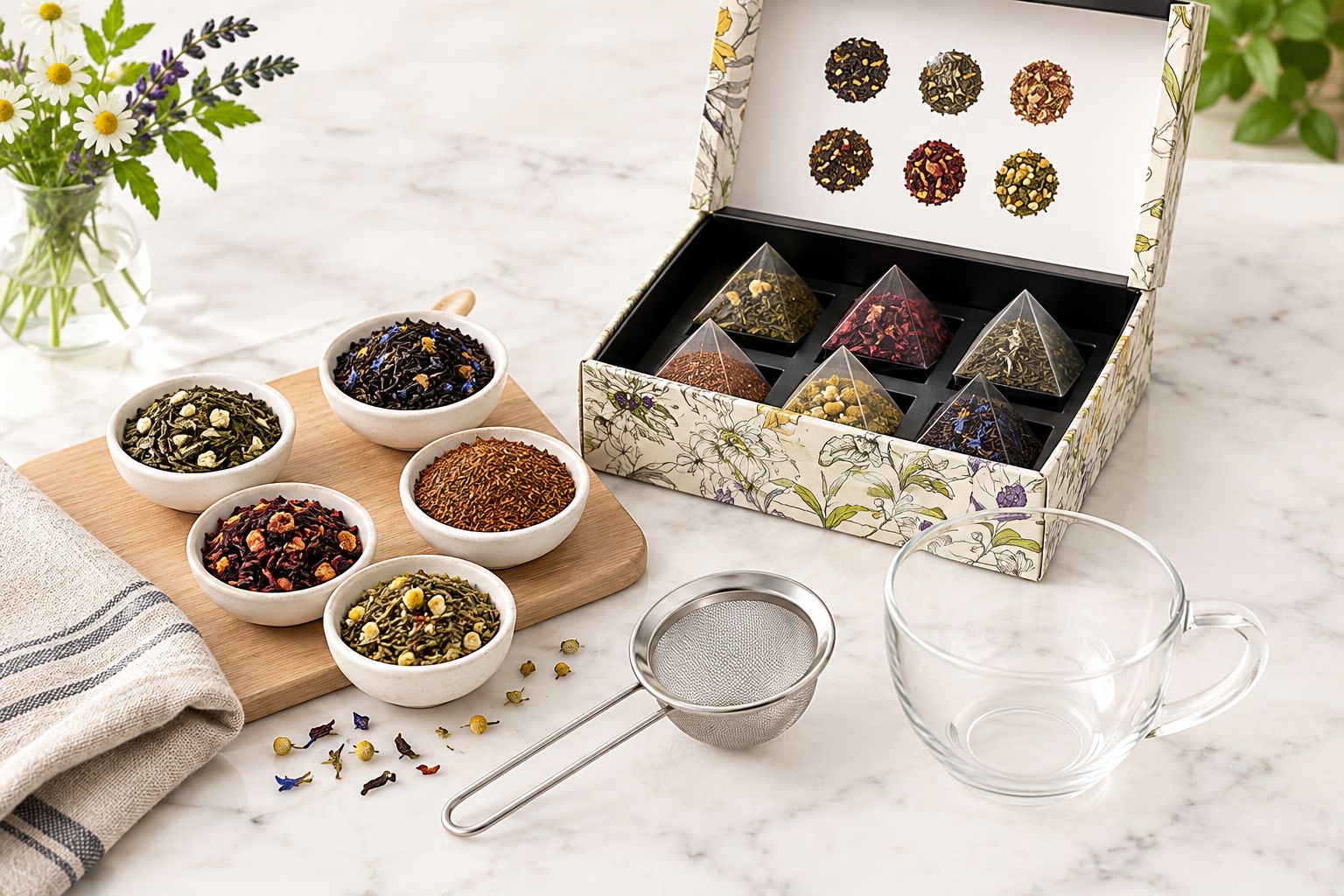
If you cannot confirm the recipient’s equipment, ask before buying a loose-leaf-only gift. That small question does more for the first cup than another flavor added to the assortment.
How we ranked these tea gift sets
The ranking follows the criteria above: flavor fit, usable brewing equipment, clear ingredients, simple preparation, and appropriate upkeep. It is a decision guide for gift formats, not a claim that packaged sets were tested or that the listed combinations are sold together.
The sampler ranks first because tea preference is the main unknown for a beginner. An evening assortment ranks next for a recipient whose drinking moment is already clear. Glassware and cast iron follow because the vessel must suit the person, not just the tea. That ordering applies to a general 2026 gift shopper; a recipient’s stated preference takes priority.
Which tea gift set should you choose?
Choose a build-your-own loose-leaf sampler for the undecided beginner, provided they can brew it. Choose an herbal evening assortment when you know they want an evening routine and you can verify every blend’s ingredients. Pick glassware for someone who values the visual ritual; save a cast iron teapot for someone who specifically wants that style of brewing.
Tea The World is a place to look for loose-leaf teas, herbal blends, and tea accessories for these gift formats. Before ordering in 2026, check the actual items and their instructions. Do not treat a suggested pairing here as a confirmed ready-made set.
FAQ
What are the best tea gift sets for beginners?
A build-your-own loose-leaf sampler is the best default for a beginner who can brew loose leaves. Choose distinct flavors and check that the recipient has a suitable strainer or vessel.
Should a beginner’s tea gift include a teapot?
A beginner’s tea gift needs a workable brewing method, not necessarily a teapot. Add one when the recipient wants a dedicated brewing ritual and the specific pot suits their habits.
Is an herbal tea gift set caffeine-free?
Not without checking every blend’s ingredients. A fruit-flavored or soothing-sounding blend can include tea leaves, so read each product description before making that claim.
Is glassware or a cast iron teapot better for a new tea drinker?
Glassware suits a recipient interested in seeing tea brew; a cast iron teapot suits someone who wants an involved serving ritual. Neither is the best default if you do not know how the recipient likes to make tea.
How much loose-leaf tea should a beginner use per cup?
Start with the tea’s package directions. If none are available, about 1 teaspoon per 8 fluid ounces of water is a general starting point, then adjust for the leaf and preferred strength.
Can herbal tea help someone sleep?
An herbal cup can be part of a relaxing bedtime routine, but that does not establish that a blend treats insomnia. Check the ingredients for personal safety and do not replace medical care with tea.
Does Tea The World sell ready-made tea gift sets?
The available information confirms loose-leaf teas, herbal blends, glassware, and cast iron teapots, not a specific ready-made gift set. Check current listings before planning to buy a packaged set.
One last thing
The best beginner gift can be the one with fewer teas and a clearer first cup. In 2026, before adding another flavor, check whether the recipient can brew the tea already in the gift. That answer decides whether the next useful item is another blend, a suitable vessel, or nothing at all.