
How to choose chamomile loose leaf tea by aroma and quality
Oct 5th 2026
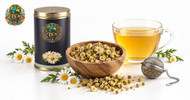
Choose chamomile loose leaf tea with a gentle floral, apple-like aroma, clearly identified ingredients, and dry flowers free from visible mold or damp clumps. Whole flower heads make the contents easier to inspect, but broken flowers alone do not mean poor quality. Smell and appearance help you judge freshness and flavor; neither proves safety or guarantees a sleep benefit.
- Choose chamomile loose leaf tea for its gentle floral aroma, clear ingredients, and dry, clean-looking flowers.
- Whole flowers are easier to inspect; broken chamomile flowers are not automatically inferior.
- Plain chamomile is naturally caffeine-free; chamomile blends require an ingredient check.
- Teatheworld suits tea enthusiasts and gift shoppers seeking loose leaf teas and tea accessories.
Why this matters
A pretty photograph cannot tell you how chamomile will smell when you open the package. Flower shape is useful, but ingredients, storage, and the aroma of the brewed cup deserve equal attention when you shop in 2026.
Teatheworld is best suited to tea enthusiasts and gift shoppers looking for loose leaf teas and tea accessories. When browsing Teatheworld, apply the same checks you would use anywhere: read the ingredients, look for brewing instructions, and choose a tea that matches your taste rather than an unsupported wellness promise.
How do you choose chamomile loose leaf tea by aroma and quality?
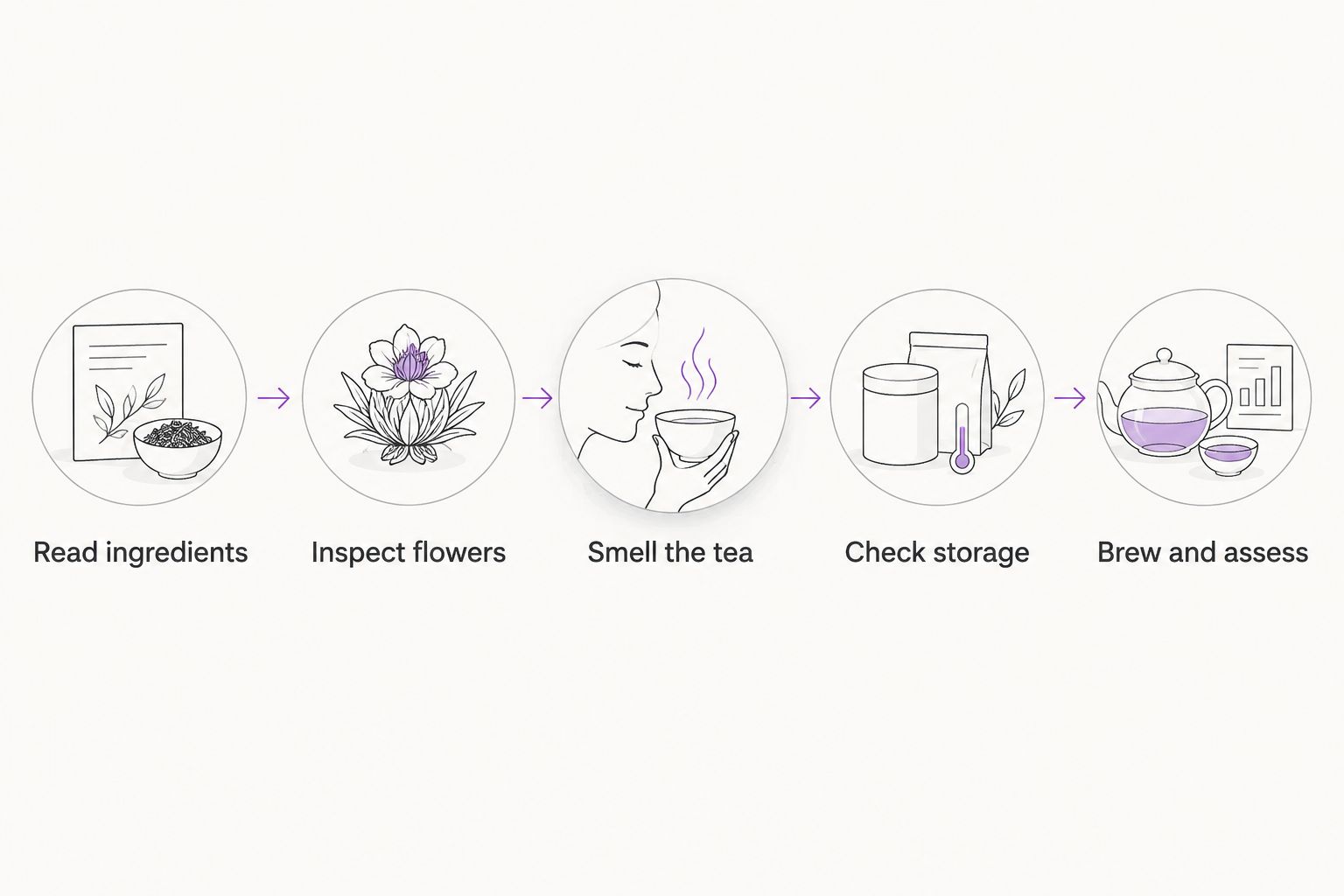
Start with the ingredient list, then inspect the flowers and smell a small portion. Finally, brew the tea according to its instructions before deciding whether its flavor suits you. This sequence separates what you can verify from what a product photograph merely suggests.
- Read ingredients. Look for chamomile as the sole ingredient if you want to assess its natural flavor. In a blend, identify every added herb, tea leaf, flavoring, or fruit ingredient before making assumptions about caffeine or taste.
- Inspect flowers. Recognizable flower heads help you see what you are buying. Expect yellow centers and pale petals, while allowing for natural variation and some loose fragments from drying and handling.
- Smell the tea. Look for a gentle floral scent with an apple-like character. A weak aroma can signal diminished freshness, but fragrance strength alone is not a reliable quality grade.
- Check storage. Choose packaging that protects the dried flowers from moisture and closes securely after opening. Check any stated storage guidance and date information rather than assuming an attractive container preserves freshness.
- Brew and assess. Use the package directions, then judge the aroma and taste of the finished cup. A pleasant dry scent is encouraging, but your drinking experience is the final flavor test.
If a package smells musty or contains visible mold, do not brew it to investigate. Return or discard it. Conversely, do not treat a pleasant smell as proof that a tea is free from contamination; sensory inspection has limits.
What should good chamomile smell like?
Chamomile commonly has a soft floral aroma with an apple-like note. Think gentle dried blossoms rather than a sharp perfume. The exact balance depends on the plant material, processing, storage, and any additional ingredients.
Smell a small portion in a clean, dry cup rather than relying only on the air inside the package. Keep strongly scented foods, candles, and cleaning products away while you assess it. They can make a delicate aroma harder to distinguish.
Look for a pleasant, recognizable scent—not the loudest fragrance. Added flavorings can make a blend smell more intense without telling you anything about the freshness of its chamomile. Read the label before treating sweetness, citrus, or vanilla notes as characteristics of the flowers themselves.
A faint scent deserves a closer look, not an automatic rejection. Check the package condition, storage history, and brewed flavor. A musty odor is a reason to stop; a mild floral aroma is a matter of preference.
Whole flowers versus broken flowers: which should you choose?
Whole flowers are best for buyers who want to inspect the plant material easily. Broken flowers are useful when you prefer a finer infusion, provided the ingredients and storage are satisfactory. Neither format earns a health advantage simply from its appearance.
| Format | Best for | Useful advantage | Limitation |
|---|---|---|---|
| Mostly whole flowers | Easy visual inspection | Recognizable heads make the contents easier to examine | Flower shape does not establish freshness or safety |
| Broken flowers | Brewing with a fine-mesh infuser | Smaller pieces fit easily into an infuser | Fragments can pass through a coarse strainer |
| Plain chamomile | Assessing chamomile's own aroma | A single ingredient makes the flavor easier to evaluate | Its gentle taste will not suit every drinker |
| Chamomile blend | Readers seeking additional flavors | Other ingredients can change the aroma and taste | Caffeine and safety depend on the complete ingredient list |
Some fragments are normal because dried flowers are delicate. Do not reject a tea solely because petals have separated from their centers. Instead, look at the overall contents and whether the seller clearly identifies them.
Very fine material is harder to inspect and needs a suitable strainer. That is a practical drawback, not proof of adulteration. If you cannot tell what the product contains, ask for an ingredient description before purchasing.
Plain chamomile: best for a simple evening cup
Plain chamomile is naturally caffeine-free and lets you experience the flower's own flavor. It is the clearest starting point if you are learning what chamomile smells and tastes like, because other ingredients do not compete with it.
Its advantage is simplicity. Its limitation is equally straightforward: a delicate floral cup can feel too mild if you usually enjoy strong black tea or heavily flavored blends. Choose it for taste and a quiet brewing ritual, not because it promises to make you sleep.
For your 2026 tea cupboard, keep plain chamomile clearly separated from blends containing tea leaves. That small organizational step helps you choose an evening drink without having to remember which package contains caffeine.
Chamomile blends: best for exploring different flavors
A chamomile blend suits you when you want something beyond the flower's gentle character. Read the complete ingredient list before choosing, especially if your goal is a caffeine-free drink. A fruit name on the front of the package does not establish the tea's caffeine content.
Black, green, white, and oolong tea contain caffeine. A blend that includes any of them is not automatically caffeine-free because it also contains chamomile. Likewise, added herbs introduce their own safety considerations; chamomile's reputation does not apply to every ingredient beside it.
The benefit of a blend is flavor variety. The drawback is that you cannot easily judge chamomile's individual aroma, and the complete formula matters more than the product name. For a caffeine-free bedtime drink, verify every ingredient rather than trusting the word herbal.
Why chamomile aroma and quality vary
There is no single sensory shortcut that captures everything about a dried herbal tea. These factors explain why similar-looking packages can produce different cups:
- Plant identity: Different chamomile species are not identical. A botanical name, when supplied, helps you understand exactly which plant the product contains.
- Drying and handling: Drying changes the flowers, while handling can break brittle petals and heads. Appearance reflects processing as well as the original plant.
- Storage conditions: Moisture, heat, light, and exposure to air affect dried herbs. A tea's condition after purchase depends partly on where you keep it.
- Ingredient composition: Other herbs, tea leaves, and flavorings alter the scent. Assess a blend as a complete recipe rather than as plain chamomile.
- Brewing choices: Water temperature, steeping time, and the amount of tea affect the finished cup. Compare teas under similar conditions if you want a useful flavor comparison.
A country of origin is useful information, but it is not a complete quality verdict. Nor does an organic label tell you whether the aroma will suit you. Give more weight to identifiable ingredients and the condition of the tea you receive.
How do you brew chamomile to assess its flavor?
Follow the package directions first, particularly for blends. For a straightforward plain-chamomile tasting, freshly boiled water at about 100°C, or 212°F, and a 5-minute steep provide a conventional starting point. These are brewing choices, not a guaranteed recipe for every product.
Use the stated amount of flowers and a clean infuser with enough space for water to circulate. Cover the cup during steeping, strain the flowers, and allow the drink to cool to a comfortable temperature. Taste it plain before adding anything.
Notice the scent rising from the cup, then the flavor after swallowing. Does it feel pleasantly floral? Is it too mild for you? Assessing it without honey, lemon, or milk makes those answers easier to find.
If the result is thin, adjust the amount of tea on your next brew rather than changing everything at once. Keep the water and steeping method consistent so you can tell what helped. Do not use brewing adjustments to make a musty or visibly moldy tea acceptable.
Is chamomile tea proven to help you sleep?
Chamomile tea is not a proven treatment for insomnia. The National Center for Complementary and Integrative Health's Chamomile fact sheet describes traditional uses and the limits of evidence for clinical benefits, including insomnia. Research on an extract also does not automatically establish what a cup of loose leaf tea will do.
In 2026, the useful distinction remains the same: an enjoyable evening ritual is not a medical treatment. A warm, caffeine-free cup can fit into your wind-down routine without carrying a promise about sleep duration or quality.
If sleep problems persist or affect your daily life, seek medical advice. Do not replace prescribed treatment with chamomile. Choose the tea because you enjoy drinking it, and treat any stronger health claim as something that needs human research specific to the preparation.
Who should check before drinking chamomile?
People with allergies to related plants, including ragweed, chrysanthemums, marigolds, or daisies, should be cautious with chamomile. NCCIH's Chamomile fact sheet identifies allergic reactions and medication-interaction concerns, including reported interactions with warfarin.
Ask a clinician or pharmacist before making chamomile a regular habit if you take medicines, are pregnant, or are breastfeeding. NCCIH notes that safety during pregnancy and breastfeeding is not well established. A blend also requires a safety check for its other ingredients.
These cautions apply even when a package looks fresh and smells pleasant. Quality selection helps you choose a drink; it does not determine whether that drink is appropriate for your health circumstances.
FAQ
What should chamomile loose leaf tea smell like?
Chamomile loose leaf tea commonly smells gently floral with an apple-like note. Added ingredients can change that aroma, so check whether the product is plain chamomile or a blend.
Are whole chamomile flowers better than broken flowers?
Whole chamomile flowers are easier to inspect, but broken flowers are not automatically lower quality. Judge the ingredients, storage, aroma, and brewed taste together rather than using flower shape alone.
Is chamomile loose leaf tea caffeine-free?
Plain chamomile loose leaf tea is naturally caffeine-free. A chamomile blend needs an ingredient check because black, green, white, or oolong tea adds caffeine.
How long should I steep chamomile loose leaf tea?
A 5-minute steep is a conventional starting point for plain chamomile, but follow the package instructions first. Use freshly boiled water and assess the cup before changing the amount of tea or steeping method.
Can I drink chamomile tea every night to treat insomnia?
Chamomile tea is not a proven treatment for insomnia. Enjoy it as an evening drink if it suits you, but seek medical advice for persistent sleep problems and check relevant allergies or medication interactions.
Should I drink chamomile tea if it smells musty?
Do not drink chamomile tea that smells musty or shows visible mold. Return or discard it rather than trying to improve it with a longer steep or added flavoring.
One last thing
Taste your first cup without sweetener. Honey and lemon can be enjoyable additions, but they make it harder to judge the chamomile itself. Keep a simple note about the aroma and flavor so your next purchase reflects what you actually liked.
For your next Teatheworld browsing session in 2026, start with the ingredient list rather than the strongest wellness language. A clearly described tea that suits your palate is a better choice than a beautiful package promising an outcome the evidence cannot support.