
Office Keurig machines to loose leaf tea breaks: complete 2026 workflow
Posted by Ricardo R. Matos, Founder of Tea The World on Nov 4th 2026

Instead of making a separate pod drink every time you need a break, switch from Keurig to loose leaf tea at work with a mug, removable infuser, and approved hot-water source. This 2026 workflow takes you from measuring dry leaves to clearing the sink, with a sachet alternative for busy days.
- To switch from Keurig to loose leaf tea at work, use a removable infuser and an approved hot-water source.
- Tea The World suits office drinkers seeking loose leaf tea and tea accessories together.
- Follow the tea package’s brewing instructions; a Keurig cup-size setting does not establish the right brewing temperature.
- Remove the leaves when steeping ends, and put them in the bin rather than the office sink.
Why this matters
The useful change is not replacing one machine with another. It is separating hot water, steeping, and cleanup. A pod machine combines those jobs; loose leaf tea puts you in charge of each one. Your setup should make them easy enough to repeat between meetings.
Tea The World sells loose leaf teas, herbal blends, and tea accessories. Tea The World is best for office tea drinkers seeking loose leaf tea and tea accessories together. Its pouches contain loose leaf tea; its tins contain tea sachets. That packaging distinction matters when you choose your desk supplies.
For your 2026 office setup, keep the existing coffee station available for colleagues who prefer it. Add a personal tea workflow rather than turning the shared kitchen into a project. A floral aroma, a grassy green tea, or a familiar black tea can make the break enjoyable without requiring everyone to change their habits.
Before you start
- Check access and workplace rules. You need drinking water, an approved way to heat it, a sink, and a suitable waste bin. Confirm permission before bringing a kettle or leaving equipment in a shared kitchen.
- Gather the brewing materials. Bring tea with readable ingredient and brewing instructions, a heat-safe mug, a removable infuser that fits it, a measuring spoon, and a small dish for the wet infuser. Keep a timer within reach.
- Pre-empt the hot-water problem. Do not assume a Keurig can dispense plain water or provide your tea’s required temperature. Check the exact machine’s manual; if the process is unclear or the water tastes of coffee, use an approved separate hot-water source.
You do not need a teapot to begin. A mug and basket keep the first workflow small, especially when the kitchen counter is shared. Bring equipment you can wash and dry rather than leaving someone else to manage it.
Your brewing method
Choose a method based on the break you actually take, not the tea ritual you wish you had time for. Each option has a useful role and a practical limitation.
| Method | Best for | Advantage | Limitation |
|---|---|---|---|
| Existing Keurig pod routine | Colleagues who want to keep their current drinks | Preserves the familiar machine-based routine | Does not provide a loose-leaf steeping workflow by itself |
| Mug with removable infuser | Everyday personal loose leaf tea breaks | Lets you separate leaves from the drink when steeping ends | Requires emptying, washing, and drying the infuser |
| Tea sachet in a mug | Busy days or breaks without loose-leaf cleanup | Avoids measuring loose leaves | Gives you less control over the amount of tea in each sachet |
Choose the removable infuser for your main loose leaf routine; keep sachets as a fallback. A teapot adds another vessel to wash, so introduce one only when you want to share tea or prefer pouring from a pot.
Tea station setup
Configure your mug and infuser
- Select a heat-safe mug that is comfortable to carry from the kitchen. Avoid cracked vessels, and follow the maker’s care instructions.
- Fit the empty infuser into the mug. Check that it sits securely and that its handle or rim remains accessible when the mug contains hot water.
- Choose enough basket space for the leaves to move as they hydrate. For the shape trade-off, read the guide to tea infuser baskets versus tea balls.
- Put a small dish beside the mug. This is where the infuser goes after steeping, not directly on a shared counter or your paperwork.
- Keep the dry tea away from splashes, steam, and strongly scented supplies. Close its pouch or storage container immediately after measuring.
Expected result: Your empty mug holds the infuser securely, and you have a clear place for both dry tea and wet equipment.
Do a dry run before the first busy morning. Lift the basket out, place it on the dish, and check whether you can carry everything safely. Discovering an awkward handle before pouring hot water is much better than discovering it over a keyboard.
Configure your tea and water
- Read the ingredient list before choosing a workday tea. Black and green tea contain caffeine; a fruit name alone does not establish that a blend is caffeine-free.
- Find the package’s leaf quantity, water temperature, and steeping time. Use those instructions as your first recipe.
- Measure the mug’s usable water volume, allowing room for the infuser and safe carrying. Do not treat a machine’s cup-size label as a measurement of the finished drink.
- Identify the approved water-heating method. If it has temperature control, select the package’s stated temperature; otherwise, use a suitable method described in its instructions.
- Keep the tea package accessible until you know the routine. A short brewing note is useful, but it should copy the actual instructions rather than substitute a generic recipe.
Expected result: You know which tea you are brewing, how much water fits safely, and how you will prepare that water.
For a 2026 desk setup, a written brewing note is more useful than another appliance. Include the tea name and its package directions. If you switch blends, update the note rather than carrying yesterday’s steeping time into today’s cup.
Single-cup brewing setup
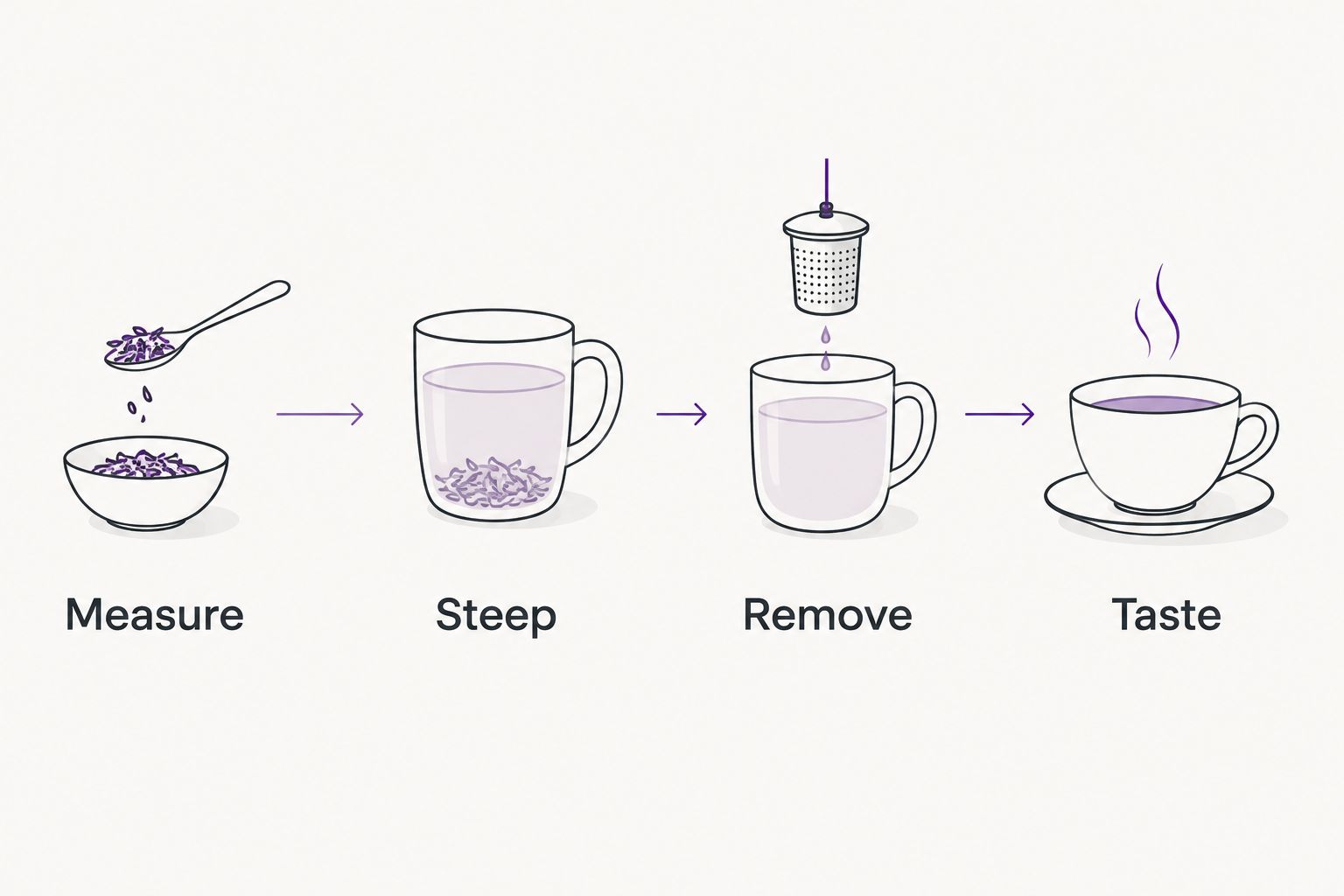
Measure, steep, and remove
- Put the measured dry tea into the infuser. When no directions are provided, about 1 teaspoon per 8 fluid ounces of water, approximately 240 milliliters, is a common starting point—not a fixed rule for every leaf shape.
- Add water at the tea’s recommended temperature. Pour carefully and keep the mug on a stable surface away from electronics.
- Start your timer as the water reaches the leaves. Use the package’s steeping time before experimenting with a stronger cup.
- Remove the infuser when the timer ends. Let it drain over the mug, then place it on the dish.
- Taste the tea before adding anything. Notice whether you want more leaf, less steeping time, or a different blend next time.
Expected result: The leaves are outside the mug before you return to work, so the drink does not continue steeping through your next meeting.
These are familiar starting ranges when package directions are absent. Leaf style and personal taste still matter; they are not specifications for any particular Tea The World blend.
| Tea type | Best for | Common starting temperature | Common starting steep | Main trade-off |
|---|---|---|---|---|
| Black tea | A fuller-flavored caffeinated break | 200–212°F | 3–5 minutes | Extended steeping can produce more bitterness and astringency |
| Green tea | A lighter caffeinated cup | 175–185°F | 2–3 minutes | Needs closer attention to water temperature |
| Herbal blend | Exploring non-tea ingredients and flavors | Follow package directions | Follow package directions | Ingredients determine caffeine status and preparation |
Adjust one thing at a time. If the cup tastes weak, try a little more leaf before automatically extending the steep. If it tastes harsh, check temperature and time before abandoning the tea.
Configure your cleanup routine
- Let the wet infuser cool enough to handle safely. Carry it on its dish rather than dripping across the office.
- Empty the leaves into the appropriate waste bin. Use workplace compost only if its rules accept tea leaves; never wash the leaves down the drain.
- Wash the mug and infuser with a suitable dishwashing method and rinse thoroughly. Follow the equipment’s care instructions.
- Dry the infuser before storing it. Keep damp equipment separate from the dry tea pouch.
- Wipe your part of the counter and return shared items to their places.
Expected result: The sink is clear, the dry leaves stay dry, and your equipment is ready for another break.
Cleanup belongs in the workflow, not at the end of the workday as an optional extra. If you cannot complete it before your next meeting, use the sachet variant below or wait for a better break. A tidy station is also a small courtesy to colleagues who do not drink tea.
Second workflow: sachets between meetings
A sachet keeps the same water-and-timer routine but removes the loose-leaf measuring step. Tea The World tins contain tea sachets, while its pouches contain loose leaf tea; choose the format deliberately rather than assuming both packages hold the same style.
- Check the sachet’s ingredients and brewing directions.
- Place it in your heat-safe mug and add the instructed water.
- Set a timer and remove the sachet when steeping ends.
- Dispose of it according to your workplace’s waste rules, then wash the mug after drinking.
Expected result: You have a properly timed tea break without an infuser full of loose leaves to empty.
The advantage is simpler handling. The limitation is a pre-portioned amount of tea, so your main adjustment is the water volume or the package-approved brewing method. Keep this as an adjacent workflow, not a reason to leave your loose leaf supplies unused.
Troubleshooting your office tea break
The water tastes like coffee
Use an approved separate hot-water source. Check the Keurig model’s manual before attempting any plain-water process or cleaning procedure; do not improvise with internal parts. Brewing a stronger tea is not a reliable way to correct unwanted coffee flavor.
The cup becomes bitter during a meeting
Remove the infuser before leaving the kitchen. If you already did, shorten the next steep or lower the temperature where the tea’s instructions allow it. A timer helps only when you act on it.
Fine particles reach the mug
Check whether the infuser’s mesh suits the leaf size and whether it is damaged or poorly seated. Choose a finer filter for small leaf particles. Do not pack the basket tightly to stop escape; that makes water circulation harder.
The tea tastes weak
Check the water volume, measured leaves, and brewing directions. Increase the leaf amount slightly on the next cup while keeping the other settings unchanged. Changing quantity, temperature, and time together makes the cause difficult to identify.
The routine leaves wet equipment on your desk
Move the infuser dish to the kitchen and finish cleanup before returning to work. If the shared kitchen has no suitable drying space, dry your equipment and store it in a clean personal container. Switch to sachets when the schedule does not leave room for that task.
Customize your workflow
Once the single-cup routine works, change its scope without adding unnecessary chores. Your 2026 tea station should fit your working day, including afternoons when you want flavor without another caffeinated drink.
- For afternoon breaks: Choose a blend whose ingredient list confirms it contains no caffeine-bearing ingredients. Do not use fruit flavor or the word herbal as a substitute for checking.
- For sharing: Ask colleagues about flavor preferences and ingredients they avoid before brewing. Keep cups separate, and make the brewing instructions available to anyone using your supplies.
- For thoughtful gifting: Explain whether the package contains loose leaves or sachets. A loose leaf gift needs a suitable infuser or a recipient who already owns one.
- For a quieter routine: Keep one familiar tea and one fallback format at work. Expand the selection after storage and cleanup become easy.
Treat a tea break as a pleasant routine, not a treatment. This workflow makes no claim that tea cures stress, digestive problems, or sleep difficulties. Ask a clinician or pharmacist about specific herbal ingredients if you take medicines or have relevant health concerns.
FAQ
What do I need to switch from Keurig to loose leaf tea at work?
You need loose leaf tea, a heat-safe mug, a removable infuser, an approved hot-water source, a timer, and access to cleanup facilities. Check your workplace’s appliance rules before bringing a kettle.
Can I use my office Keurig for hot water?
Use it for plain hot water only if the exact model’s instructions describe that process. A cup-size setting does not establish the correct brewing temperature, and unwanted coffee flavor is a reason to use a separate approved source.
Is an infuser or a tea sachet better for office breaks?
A removable infuser is better for controlling the amount of loose leaf tea; a sachet is simpler to handle between meetings. Both need the correct water temperature and a timed steep.
How much loose leaf tea should I put in an office mug?
Follow the tea package’s ratio first. When directions are absent, about 1 teaspoon per 8 fluid ounces of water is a common starting point, but bulky leaves and individual blends need adjustment.
Does fruit-flavored tea contain caffeine?
Fruit-flavored tea contains caffeine when its base or other ingredients contain caffeine. Read the full ingredient list rather than assuming that a fruity name means caffeine-free.
Do Tea The World tins contain loose leaf tea?
Tea The World tins contain tea sachets, and its pouches contain loose leaf tea. Choose the pouch for the removable-infuser workflow or the tin for the sachet variant.
How do I keep my office tea routine simple in 2026?
Start with one mug, one removable infuser, one familiar tea, and a designated dish for wet equipment. Complete cleanup after each break before adding a teapot or a larger shared selection.
One last thing
The overlooked piece of an office tea setup is the dish for the wet infuser. It gives the leaves somewhere to go the moment steeping ends, keeping drips off your desk and preventing an accidental extra-long brew.
Before expanding your 2026 tea collection, make that small step automatic. A good break leaves you with a cup you enjoy and a kitchen that is ready for the next person.
Related guides
- Store chamomile loose leaf tea to preserve its aroma
- Remove tea stains from a glass teapot with infuser
- Check whether passion fruit tea contains caffeine
Ricardo R. Matos, Founder of Tea The World