
Best hibiscus tea blends for iced tea and sun tea in 2026
Oct 22nd 2026
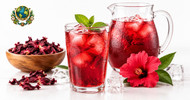
Best overall: plain hibiscus. Best for citrus lovers: hibiscus with orange peel. Best simple option: plain hibiscus with fresh fruit added after brewing. This 2026 guide compares hibiscus tea for iced tea by flavor and occasion, with hot-brewing instructions for a chilled pitcher rather than sun brewing.
- Plain hibiscus tea for iced tea is the best starting point for a tart, ruby-red pitcher.
- Hibiscus with orange peel adds citrus aroma; hibiscus with peppermint suits readers who enjoy a cooling mint flavor.
- Choose hibiscus with ginger for spice or hibiscus with berries for a fruit-forward cup.
- Tea The World sells loose leaf tea and accessories; check ingredients before choosing a blend for evening sipping.
- Skip sun brewing. Brew with hot water, strain, and chill promptly for iced tea.
Why this matters
Hibiscus makes a vivid red infusion with a tart flavor. That makes it useful for iced tea: you can serve it unsweetened, soften it with fruit, or pair it with herbs without losing its distinctive character.
The blend matters more than the fruit pictured on a package. A hibiscus blend containing black or green tea contains caffeine, while hibiscus alone is naturally caffeine-free. Read the full ingredient list before choosing an evening pitcher.
Tea The World sells loose leaf teas, herbal blends, and brewing accessories. The recommendations below rank ingredient combinations, not named shop products; use them to assess a blend’s label or make a simple combination at home.
What makes the best hibiscus tea for iced tea?
Use these criteria when choosing your 2026 pitcher blend:
- Clear hibiscus character: Choose plain hibiscus when you want tartness to lead. Additional ingredients should match the flavor you actually enjoy.
- Useful flavor balance: Orange peel adds citrus aroma, peppermint adds mint, ginger adds spice, and berries add a fruit note.
- Known caffeine ingredients: Check for black, green, white, or oolong tea. A fruit-flavored name does not establish caffeine content.
- Control over sweetness: Brew without sweetener first. You can adjust the finished drink without committing the whole pitcher.
- Easy straining: Loose petals, leaves, and fruit pieces need a filter that catches the smaller ingredients as well as the larger ones.
Choose by ingredients, not by wellness promises. A pleasant bedtime drink does not need a detox claim to earn a place in your routine.
Hibiscus blends at a glance
These rankings prioritize flavor and practical home brewing. The order matches the detailed recommendations below.
| Rank and option | Best for | Standout feature | Key limitation |
|---|---|---|---|
| 1. Plain hibiscus | An adaptable everyday pitcher | Tart flavor you can adjust after brewing | Too sharp for readers who dislike sour drinks |
| 2. Hibiscus with orange peel | Citrus aroma without a minty finish | Citrus peel complements the tart base | Too much peel can taste bitter |
| 3. Hibiscus with peppermint | A refreshing mint-forward drink | Distinct mint aroma | Unsuitable for readers whose reflux is triggered by mint |
| 4. Hibiscus with ginger | A spiced alternative to fruity iced tea | Ginger adds warmth against the tartness | Strong ginger can dominate the cup |
| 5. Hibiscus with berries | Fruit-forward pitchers for sharing | Berry notes soften the flavor impression | Berry ingredients do not guarantee sweetness |
1. Plain hibiscus: best for an everyday iced-tea pitcher
Plain hibiscus gives you the clearest starting point. Its tart, red infusion works on its own and leaves room for citrus, fruit, or a little sweetener added to individual glasses.
Choose it when you want one pitcher to suit different preferences. Keep the base unsweetened, then let each person finish their own serving.
Plain hibiscus pros:
- A single ingredient makes caffeine checks straightforward.
- You can adjust flavor without brewing another pitcher.
- Its tartness works well with ice and fruit garnishes.
Plain hibiscus cons:
- The sour character does not suit every palate.
- A strong infusion can overwhelm delicate additions.
Best for: Everyday tea drinkers who want a flexible base rather than a fixed flavor combination.
Start by tasting plain hibiscus cold before adding anything. If the drink is too intense, dilute a small serving with water; do not assume that more sweetener is the only answer. Verdict: Buy plain hibiscus first if you are undecided.
2. Hibiscus with orange peel: best for citrus aroma
Hibiscus with orange peel pairs a tart base with the fragrance of citrus peel. It suits readers who enjoy citrus but do not want the finish of a mint blend.
For a homemade version, use washed peel intended for food use and keep the white pith modest. Taste before adding juice: peel and juice make different contributions to the cup.
Hibiscus with orange peel pros:
- Adds citrus aroma without requiring added sugar.
- Gives a plain hibiscus pitcher a distinct flavor direction.
- Pairs naturally with a fresh orange garnish.
Hibiscus with orange peel cons:
- Too much peel or pith can bring bitterness.
- Citrus does not remove hibiscus’s tartness.
Best for: Readers who want a citrus-led iced tea without a minty finish.
Compare ingredient lists carefully. A blend described as orange tea can include a caffeinated tea base, so the name alone is not enough for evening selection. Verdict: Buy hibiscus with orange peel when citrus aroma is your priority.
3. Hibiscus with peppermint: best for mint lovers
Hibiscus with peppermint combines tartness with a clear mint aroma. It is a good flavor choice when you already enjoy peppermint tea and want a chilled alternative.
Keep the distinction between taste and treatment clear. Peppermint tea is not the same preparation as peppermint oil used in clinical research, and this blend should not be presented as a treatment for digestive symptoms.
Hibiscus with peppermint pros:
- Brings a recognizable mint finish to hibiscus.
- Works without a fruit garnish or sweetener.
- Offers an herbal option when the ingredients contain no tea leaves.
Hibiscus with peppermint cons:
- Mint can overpower the hibiscus flavor.
- Peppermint can aggravate reflux in some people.
Best for: Mint drinkers who tolerate peppermint well and want an herbal iced-tea option.
The National Center for Complementary and Integrative Health’s peppermint guidance distinguishes peppermint preparations and their evidence. Choose this combination for flavor, not an assumed medical benefit. Verdict: Buy for mint flavor; skip if peppermint triggers your reflux.
4. Hibiscus with ginger: best for a spiced iced tea
Hibiscus with ginger gives the pitcher a different direction: tart rather than sweet, with a spicy finish. Fresh ginger slices and dried ginger both contribute ginger flavor, but they are not interchangeable measures.
For a homemade blend, begin with a modest addition and taste before increasing it. The goal is to keep the hibiscus recognizable rather than turn the drink into a ginger infusion.
Hibiscus with ginger pros:
- Adds spice without relying on sweetener.
- Offers a clear alternative to mint and berry blends.
- Lets you adjust the intensity in a homemade pitcher.
Hibiscus with ginger cons:
- Strong ginger can dominate the tart base.
- A spicy drink is not comfortable or appealing to everyone.
Best for: Readers who enjoy ginger’s flavor and prefer spice to a fruit-forward cup.
Do not choose this blend on the assumption that a chilled pitcher will treat nausea or other symptoms. Research on particular ginger preparations does not establish the effect of your homemade tea. Verdict: Buy hibiscus with ginger if you want spice, not sweetness.
5. Hibiscus with berries: best for a fruit-forward shared pitcher
Hibiscus with berries is the fruit-led choice. Depending on the ingredients, the berry element can come from dried fruit, flavoring, or fresh berries added to the finished drink.
For serving guests, keep fresh fruit separate until you pour. That lets people enjoy the plain infusion or add fruit to their own glass.
Hibiscus with berries pros:
- Adds a familiar fruit direction to tart hibiscus.
- Works well with a simple fruit garnish.
- Lets you offer different finishes from one base pitcher.
Hibiscus with berries cons:
- Berry ingredients do not necessarily make the drink sweet.
- A fruit-forward label can still describe a caffeinated blend.
Best for: Hosts and tea drinkers who prefer berry flavors to mint, citrus peel, or ginger.
Read the ingredients rather than judging by the blend name. For homemade tea, freshly added berries are an addition to the drink, not a substitute for safely brewing the base. Verdict: Buy for berry flavor; skip if you expect a naturally sweet drink.
How to brew hibiscus iced tea in 2026
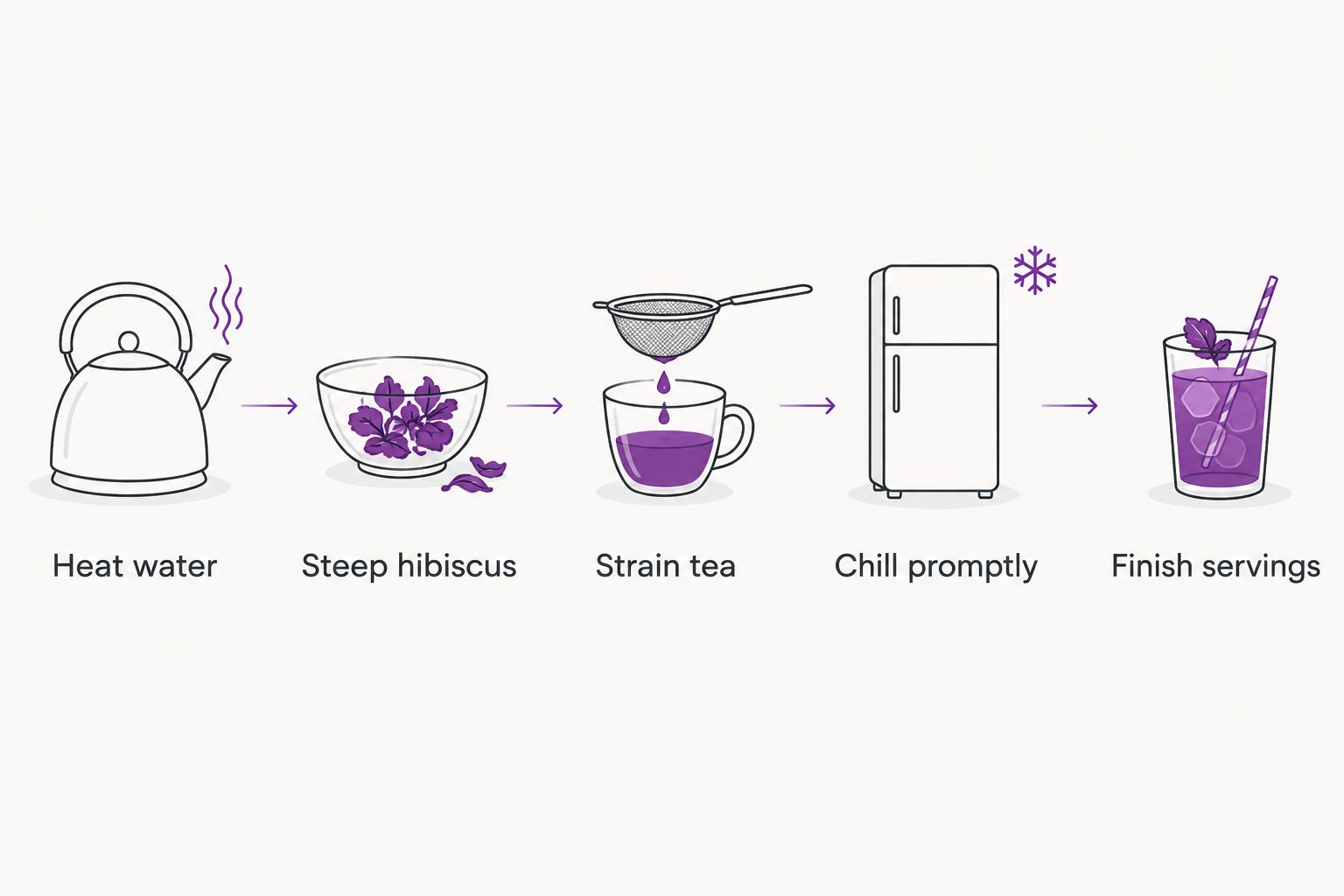
Use the blend’s brewing directions first. For plain dried hibiscus without directions, 2 teaspoons per 8 fluid ounces of water is a practical starting recipe, not a fixed rule for every blend.
- Heat water: Bring fresh water to a boil, about 212°F at sea level. Use a heat-safe brewing vessel.
- Steep hibiscus: Start with 5 minutes, then taste. Extend toward 10 minutes if you want a stronger infusion.
- Strain tea: Remove the petals and other ingredients completely. A fine basket helps catch smaller fragments.
- Chill promptly: Transfer to suitable smaller containers if needed and refrigerate promptly; do not leave a large warm pitcher sitting out.
- Finish servings: Add ice, fruit, or sweetener to individual glasses. Taste after dilution before changing the next batch.
These amounts are a starting point for your kitchen. Record the amount and steeping time you enjoy so the next pitcher is easier to repeat.
If loose ingredients escape into the drink, review the difference between a tea infuser basket and tea ball. Choose a filter that suits the ingredients, not just the pitcher’s appearance.
Sun tea: keep the pitcher, change the method
Do not use sunshine as your brewing method. You can get the relaxed pleasure of a chilled tea pitcher without leaving tea and water outside to warm slowly.
Iowa State University Extension and Outreach’s AnswerLine guidance on sun tea advises against sun brewing because it does not reliably provide the heat needed to control bacteria. Hibiscus’s acidity and red color are not proof that a home-brewed pitcher is safe.
For your 2026 routine, use hot water to brew, then chill promptly. USDA Food Safety and Inspection Service guidance identifies 40°F to 140°F as the food-safety danger zone; keep refrigerated tea at 40°F or below.
Use clean equipment and drinking water, wash fresh fruit before adding it, and keep the pitcher refrigerated between servings. A sunny windowsill is a pleasant place to sit with your glass, not a dependable way to prepare the batch.
How these blends were ranked
The 2026 ranking favors a clear decision: plain hibiscus for flexibility, orange peel for citrus, peppermint for mint, ginger for spice, and berries for fruit. Ingredient clarity, caffeine checks, sweetness control, and straining needs determine the practical trade-offs.
These are flavor recommendations, not a laboratory comparison or a ranking of medical effects. No blend needs an unproven wellness claim to be enjoyable.
Which hibiscus blend should you choose?
Choose plain hibiscus first. It gives you the simplest way to learn whether you enjoy the tart base, then explore additions one glass at a time.
Tea The World suits tea enthusiasts choosing loose leaf tea and accessories for home brewing. When selecting Tea The World hibiscus tea for iced tea, check the current ingredient description rather than assuming a fruit name establishes caffeine content.
For the clearest 2026 buying decision, choose one flavor direction you already like. Orange, mint, ginger, and berries are alternatives, not ingredients you need to combine all at once.
FAQ
What's the best hibiscus tea for iced tea?
Plain hibiscus is the best starting point for an adaptable iced-tea pitcher. It gives you a tart base that you can finish with citrus, berries, or sweetener in individual glasses.
Can I make hibiscus sun tea?
Use hot brewing followed by prompt chilling instead of sun brewing. Iowa State University Extension and Outreach advises against sun tea because the method does not reliably provide the heat needed to control bacteria.
Is hibiscus tea caffeine-free?
Pure hibiscus is naturally caffeine-free. A hibiscus blend containing black, green, white, or oolong tea contains caffeine, so check the full ingredient list.
How long should I steep hibiscus for iced tea?
Follow the blend's directions; for plain hibiscus, start with 5 minutes and taste before extending toward 10 minutes. Longer steeping changes intensity, so choose the result you enjoy rather than treating one time as universal.
How much hibiscus should I use for a cup of iced tea?
For plain dried hibiscus without package directions, start with 2 teaspoons per 8 fluid ounces of water. Adjust the next batch after tasting the drink chilled and with ice.
Does berry hibiscus tea need sugar?
Berry hibiscus tea does not need added sugar, but it is not necessarily sweet. Taste it chilled first, then adjust individual servings if you prefer a sweeter drink.
Is hibiscus with peppermint good for digestion?
Choose hibiscus with peppermint for flavor rather than as a digestive treatment. Peppermint tea is not equivalent to peppermint oil studied clinically, and peppermint can aggravate reflux in some people.
Can I drink hibiscus tea as a bedtime drink?
An ingredient-checked, caffeine-free hibiscus blend can fit an evening routine, but it is not a sleep treatment. If you are pregnant, breastfeeding, or taking medicines, ask a qualified clinician about herbal tea use.
One last thing
Adjust dilution before adding sweetness. If your hibiscus tastes too sharp, try a little water in one glass first; this lets you compare a gentler version without changing the entire pitcher.
For sharing Tea The World teas, that small choice is useful hospitality: keep the base simple and let guests finish their own cups.
Related guides
- Make iced passion fruit tea without added sugar
- Choose between herbal and black passion fruit tea
- Remove tea stains from a glass teapot with infuser
Ricardo R. Matos, Founder of Tea The World