
Natural Tea for Immune Support: A Simple Daily Wellness Routine
Posted by Ricardo R. Matos, Founder of Tea The World on May 25th 2026

No tea can prevent illness on its own, but a daily cup of tea can support the habits your immune system relies on: steady hydration, plant polyphenols, comfortable digestion, and a calm moment in a busy day. Green tea, ginger, chamomile, hibiscus, and other herbal teas are popular choices, and the real benefit comes from pairing them with good sleep, balanced meals, and regular movement.
Do you ever feel like your body asks for steadier care, even when your routine looks mostly fine on the surface? A small shift in sleep, hydration, food timing, or rest can change how you move through the week. The body responds to what you repeat every day.
That is why many people lean on natural tea as part of a steady wellness habit. Tea gives you a simple way to add warm fluids, plant compounds, and a little structure to the day without making your routine feel crowded.
An important note: if you get sick often, have infections that linger, or feel run down for weeks, talk to a healthcare provider. Frequent illness can have causes that tea cannot address.
Natural Tea for Immune Support: What Your Body Needs Daily
Your immune system does not run on grand gestures. It depends on patterns: good sleep, balanced nutrition, enough fluids, and manageable stress. Tea fits these patterns well because it is light, repeatable, and easy to keep.
Green tea and many herbal teas contain polyphenols, flavonoids, and other plant compounds that researchers study for their antioxidant activity. A warm cup also gives you a pause, and that pause often improves the rest of your routine: you drink more slowly, eat with more care, and notice what your body needs.
Why Small Lifestyle Gaps Add Up
A few short nights, rushed meals, lower water intake, or a packed schedule can leave you feeling less steady across the week. That is why simple, repeatable habits matter. Tea works well here because it takes almost no effort: one habit that fits your day and stays there.
How Warm Herbal Teas Fit a Wellness Routine
Warm herbal tea adds to your daily fluids, provides plant compounds, and offers comfort people tend to stick with. Ginger, chamomile, turmeric, hibiscus, fennel, and echinacea each bring a different flavor and tradition to the cup. Research on these herbs varies widely, and none is a substitute for medical care, but each can make a healthy routine more enjoyable.
Some blends suit the morning, others the evening, and some feel best after meals. That flexibility makes tea easy to place where your day already has room for it.
The Role of Polyphenols
Tea leaves, herbs, flowers, and roots contain polyphenols that researchers study for their role in managing everyday oxidative stress. Green tea, hibiscus, turmeric, and ginger each have a different profile, which is one reason variety can be more interesting than relying on a single flavor. Learn more in our guide to herbal teas for wellness.
How Gut Health Connects With Tea
Much of the body’s immune tissue is located in and around the gut, so comfortable digestion is part of overall wellness. Tea can support a good routine through warmth, fluids, and traditional after-meal herbs. Ginger and fennel are classic choices after eating, chamomile is gentle later in the day, and peppermint offers a refreshing finish (skip it if it aggravates heartburn). See our guide to tea for digestion and gut health for the research.
Daily Tea Habits During Seasonal Changes
Seasonal changes call for consistency more than excess. One cup in the morning and one later in the day does more for a routine than an occasional burst of effort. Tie your tea to habits you already have, such as breakfast, a work break, or the hour before bed, and the habit tends to stick on its own.
Choosing Blends From Tea The World for Daily Use
Tea quality starts long before the cup reaches your hand, with sourcing, selection, storage, and how a blend comes together. At Tea The World, we curate teas for everyday enjoyment and describe exactly what is in each one, so you can build a routine around flavors you genuinely like.
- Caffeine-free herbal teas such as chamomile, peppermint, rooibos, cinnamon apple, and ashwagandha
- Green and black teas for daytime cups
- Clear product descriptions that state ingredients and caffeine, so you know what you are drinking
Dragon Fruit Tea Leaf
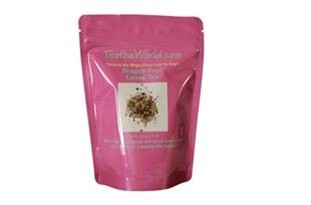
Dragon Fruit Tea Leaf adds a bright, tropical option to the range, with natural sweetness and a light earthiness. Dragon fruit contains plant pigments and flavonoids that researchers study for antioxidant activity, and the blend works hot or iced.
Cinnamon Apple Herbal Tea

Cinnamon Apple Herbal Tea is a cozy, comfort-led blend made with organic apples and cinnamon. It is caffeine-free and naturally sweet, so it fits any time of day, hot or iced.
More Options for Your Routine
- Egypt Simply Chamomile for a gentle, caffeine-free evening cup.
- India Simply Green Tea for a morning cup with green tea catechins.
- Ashwagandha Herbal Tea, an earthy, caffeine-free traditional Ayurvedic herb (check with a healthcare provider if you are pregnant or take medication).
- The Turmeric Golden Milk Bundle we carry from Deligh Teas, for a warm, spiced turmeric drink.
These statements have not been evaluated by the FDA. Our teas are not intended to diagnose, treat, cure, or prevent any disease.
How to Build a Simple Daily Tea Routine
A routine works best when it stays easy. Pick two or three points in the day and give each one a clear tea role. Morning tea should feel fresh and steady; evening tea should feel calm and caffeine-free.
| Time of Day | Tea Type | Why It Fits |
|---|---|---|
| Morning | Green tea or ginger tea | A fresh start and early hydration; green tea adds gentle caffeine |
| Midday | Hibiscus, fennel, or a fruit blend | Works well around meals and keeps the routine varied |
| Evening | Chamomile, rooibos, or tulsi | Caffeine-free and suited to quiet time and rest |
Keep the routine simple:
- Keep your tea where you can see it every day
- Use one mug, one kettle, and a repeatable steeping habit
- Rotate blends by time of day, and save caffeinated teas for earlier hours
For brewing times and temperatures, see our guide to how long to steep tea.
Conclusion: Small Daily Choices That Add Up
Wellness habits last when they are easy to repeat, and tea does that well. It brings warmth, hydration, plant compounds, and a short moment of care to a normal day. Paired with sleep, nourishing food, movement, and medical care when you need it, a daily cup can be part of a healthier pattern.
Explore the Tea The World collection to find the blends you will enjoy enough to make part of your weekly routine.
FAQs
Can tea boost my immune system?
Tea cannot prevent or treat illness on its own. It can support healthy habits, such as hydration and a calmer routine, and it provides polyphenols that researchers study. Sleep, nutrition, activity, and medical care matter most.
What is the best time of day to drink green tea?
Morning or early afternoon is best, since green tea contains caffeine. Switch to caffeine-free herbal tea in the evening.
Can I add honey or lemon to herbal tea?
Yes. Add honey or lemon after steeping so the tea keeps its full flavor. Do not give honey to infants under 12 months.
Is loose leaf tea better for daily use than tea bags?
Loose leaf often gives a fuller aroma and more control over strength, while sachets are more convenient. Choose the format you will actually use every day.
Can I brew tea in advance for the next day?
Yes. Brew, cool, and refrigerate it promptly, and drink it within about a day. This works especially well for hibiscus and fruit blends.
When should I see a doctor instead of relying on tea?
See a healthcare provider if you get sick often, have infections that linger, run a high or persistent fever, or feel run down for weeks. Tea is a wellness habit, not a treatment.