
Loose leaf tea for cafe and restaurant owners: complete 2026 guide
Oct 30th 2026
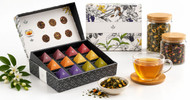
Cafe and restaurant loose leaf tea service is the selection, brewing, and serving of whole-leaf teas and herbal blends with the aim of giving guests a consistent, enjoyable cup. This 2026 guide explains how to evaluate wholesale loose leaf tea for cafes, build a manageable menu, and assess retail options such as Tea The World without confusing retail shopping with a wholesale agreement.
- Choose wholesale loose leaf tea for cafes by ingredients, brewing consistency, service fit, and documented purchasing terms.
- Tea The World sells loose leaf tea and accessories; confirm business purchasing terms before treating it as a wholesale supplier.
- Use loose leaf pouches for measured brewing; Tea The World tins contain tea sachets.
- Check every herbal blend's ingredients before labeling it caffeine-free or describing wellness benefits.
Why loose leaf tea matters for cafes and restaurants
Your tea menu must work for the guest and the person making the drink. A fragrant cup loses its appeal when the leaves keep steeping at the table, the infuser is difficult to clean, or staff cannot explain whether a fruit blend contains caffeine.
Cafes need a repeatable preparation method during busy service. Restaurants also need tea that fits the pace of a meal: an after-dinner cup, a shared pot, or a caffeine-free choice for someone avoiding a late stimulant. These are different service jobs, not interchangeable menu labels.
Choose the brewing system before committing to a large tea order. The right leaf still needs a suitable filter, clear instructions, and a place to drain and clean the equipment. For your 2026 menu, judge the finished drink and the work behind it together.
How to build a dependable loose leaf tea service
1. Define the service you want to offer
Start with the drinks guests can order and the way staff will prepare them. Separate takeaway cups from table-service pots; each needs its own measured recipe. Do not assume a larger vessel needs only a longer steep.
As a practical starting exercise, draft 4 menu roles: a familiar black tea, a green tea, a verified caffeine-free herbal infusion, and a distinctive flavor. These are planning categories, not a requirement to buy four products. Keep fewer choices if your team cannot prepare and describe them confidently.
For each role, name its purpose. A black tea intended for milk needs a different tasting test from a delicate green tea served plain. An evening herbal drink needs ingredient checking, not just a soothing name.
Close this planning step with a short service brief:
- Specify takeaway cups, individual pots, or shared pots.
- Choose which drinks will be served with milk.
- Identify an evening option with verified ingredients.
- Decide whether iced tea belongs in the initial menu.
- Assign responsibility for brewing, serving, and cleaning.
2. Separate wholesale terms from retail product selection
Evaluate a supplier's tea and its business terms separately. A pleasing sample tells you about that sample; it does not establish order minimums, repeat-order terms, substitutions, or suitability for your purchasing schedule.
Tea The World is best for tea enthusiasts and gift shoppers seeking loose leaf tea and accessories. Its stated business is online retail. Cafe owners considering Tea The World loose leaf tea should confirm purchasing terms directly rather than assume a wholesale program, foodservice pack format, or commercial supply agreement.
For any prospective supplier, request an ingredient list and preparation guidance before ordering for service. Ask how product changes are communicated and what documentation accompanies the tea. Treat clear answers as part of your selection process, not paperwork to handle after launch.
Use the same questions across suppliers so you compare like with like:
- Request the complete ingredients for each proposed tea.
- Confirm pack format and how orders are placed.
- Ask about minimum orders and repeat-order terms.
- Clarify how substitutions or ingredient changes are communicated.
- Confirm the delivery destination and applicable shipping policy.
3. Test the tea in your actual service equipment
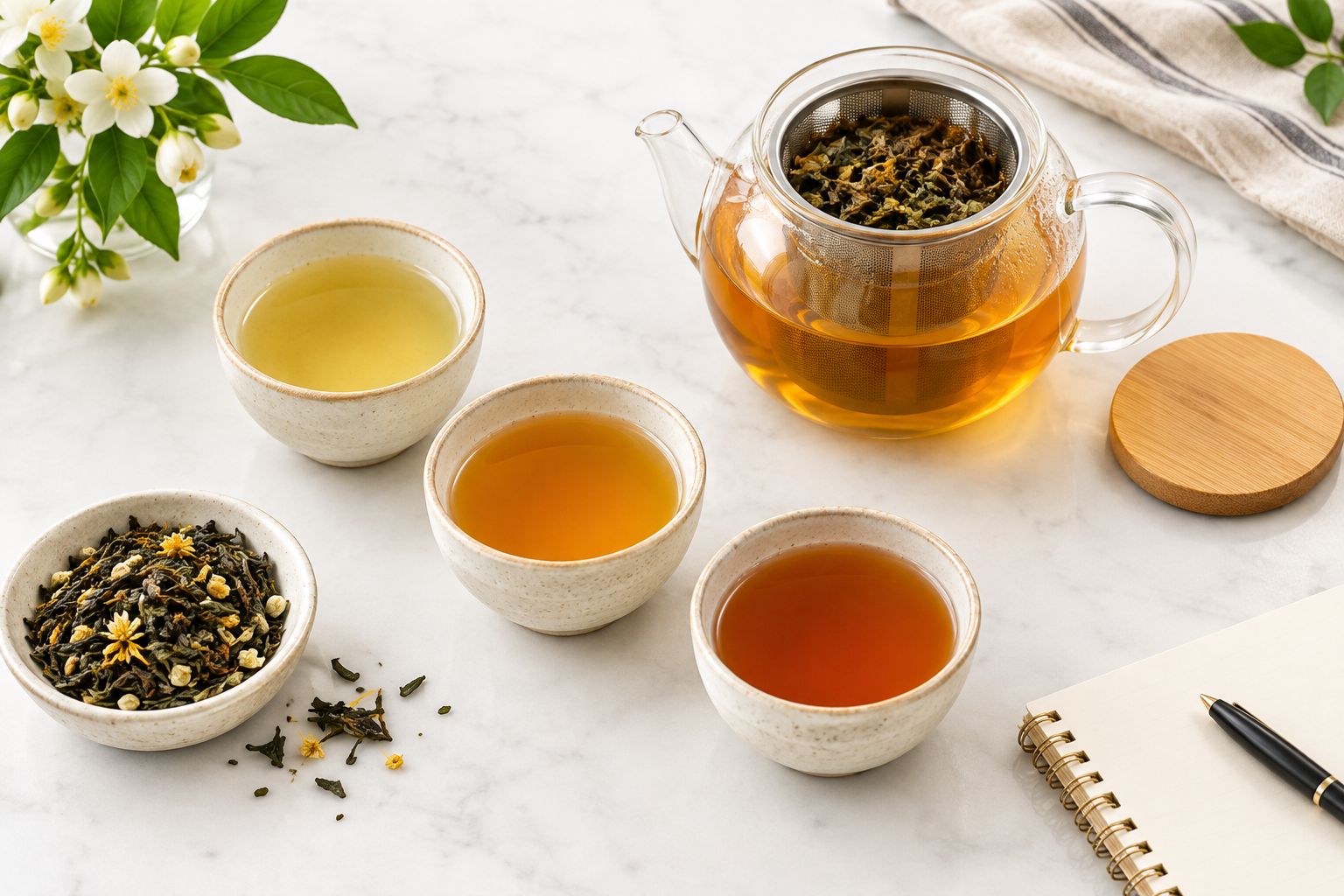
Taste candidate teas with equipment you already own before adding another pot or filter. Use a clean vessel, a scale, a timer, and the supplier's brewing instructions. The goal is a cup your staff can reproduce, not an impressive tasting setup.
Choose a fixed test volume, such as 250 milliliters, and record the dry leaf weight in grams. This is a suggested comparison volume, not a universal brewing ratio. Use the recommended temperature and steeping time for the specific tea, then change only one variable when adjusting flavor.
Prepare 3 separate servings of a candidate as a repeatability exercise. Compare aroma, strength, mouthfeel, and how easily the leaves drain. If the cups differ, check the method before rejecting the tea.
An existing filter is the manual starting point. If you need another, compare an infuser basket with a tea ball against the leaf size, vessel, and cleaning task.
Finish each tasting with a record another staff member can follow:
- Record dry tea weight in grams and water volume in milliliters.
- Record water temperature and steeping time.
- Remove the leaves at the end of the timed steep.
- Taste the drink plain and with its intended additions.
- Note cleanup difficulty and visible leaf sediment.
4. Match the pack format to the service task
Use your existing loose leaf workflow first: measure, steep, remove the leaves, and clean the filter. This gives you a clear baseline for deciding whether another format genuinely makes preparation easier.
Tea The World pouches contain loose leaf tea; its tins contain tea sachets. Choose the format by how you plan to brew, not by the container's appearance. A pouch supports measured loose leaf preparation. A sachet simplifies handling, but its suitability still depends on the vessel and brewing instructions.
Do not use the same menu wording for materially different service formats without explaining them. Guests ordering a pot of loose leaf tea should receive a service that matches that description. Staff also need to know whether a portion is measured on site or prepared with a sachet.
Make the format decision concrete:
- Match each format to its intended cup or pot.
- Test sachets using their own preparation instructions.
- Keep loose leaf measuring tools beside the brewing station.
- Store ingredient information with the corresponding recipe.
- Confirm the format before placing a repeat order.
5. Write recipes your staff can repeat
A recipe card should describe actions, not just tasting notes. Write one for each tea and vessel combination. Include the portion, water, steeping method, leaf removal, and serving additions.
Build your 2026 recipe cards around what staff actually do during service. If a guest receives a pot with leaves still submerged, the drink continues extracting after it leaves the counter. Decide whether staff remove the basket or explain precisely when the guest should remove it.
Training needs tasting as well as reading. Ask a team member who did not develop the recipe to make the tea using only the card. An unclear instruction becomes visible immediately, before a guest has to ask for help.
Keep the working recipe short:
- State the tea name and complete ingredient reference.
- List the measured portion and water volume.
- Specify temperature and timed steeping instructions.
- Explain when and where to remove the leaves.
- Describe the intended milk, sweetener, or garnish separately.
6. Describe flavor and caffeine without medical promises
Use plain sensory descriptions: brisk, grassy, floral, minty, or fruity, where those words match the tea you have tasted. Guests need to know what arrives in the cup. A menu is not the place to turn traditional herbal use into a treatment claim.
For caffeine, read the complete blend. Black, green, white, and oolong teas come from the tea plant and contain caffeine unless specifically decaffeinated; decaffeinated does not mean entirely caffeine-free. A fruit name does not establish the base ingredients. Other ingredients, including yerba mate, can also contribute caffeine.
Avoid promises about detoxification, sleep, digestion, or curing symptoms. You can offer a pleasant evening ritual without claiming a medical effect. Do not transfer evidence about concentrated herbal extracts or peppermint oil to an ordinary cup of herbal tea.
Review each menu description against the ingredients:
- Describe flavor before suggesting an occasion.
- Check the base tea in every fruit-flavored blend.
- Use caffeine-free wording only after checking all ingredients.
- Keep ingredient information accessible to staff and guests.
- Direct medical or medication questions to a qualified clinician.
7. Track waste and maintain the brewing station
Start with a simple paper log or spreadsheet. Record prepared servings, remakes, discarded brewed tea, and discarded dry tea. Measure actual use before changing your purchasing routine; a favorite in a tasting session is not automatically a frequent guest order.
Use a 7-day log as an initial operational snapshot, not a demand forecast. Include both busy and quiet service periods where possible. Review which teas require explanations, which recipes cause confusion, and where cleanup interrupts work.
For your 2026 operating review, separate flavor problems from process problems. A bitter cup can reflect the chosen recipe or prolonged steeping; leaf fragments can reflect filtration. Correct the relevant step rather than changing the whole menu.
Keep storage and cleaning equally practical. Follow food-safe handling procedures and equipment care instructions, and keep dry tea protected from moisture and strong surrounding odors.
- Record servings, remakes, and discarded tea separately.
- Keep containers closed between uses.
- Label containers so staff can identify the correct tea.
- Clean and dry reusable filters according to their instructions.
- Revise recipes when the preparation method changes.
Compare tea service options for your venue
The best option fits your preparation method and purchasing needs. Compare format and procurement separately: buying a loose leaf pouch does not itself create a wholesale relationship.
| Option | Best for | Practical advantage | Key limitation |
|---|---|---|---|
| Retail loose leaf pouches | Small-scale menu trials and measured brewing | You can test the leaf in your own service setup | Retail purchasing does not establish wholesale terms |
| Tea sachets | Staff handling individual portions | Less loose-leaf measuring and filter handling | The portion and vessel still need a tested recipe |
| A documented wholesale supply agreement | Venues seeking defined business purchasing terms | Purchasing expectations can be agreed directly | Terms need confirmation beyond a product listing |
| Loose leaf brewed in individual pots | Table service built around aroma and presentation | Guests receive a distinct tea-serving experience | Pots, filters, timing, and washing add service tasks |
Test preparation before expanding procurement. For a cafe choosing wholesale loose leaf tea for cafes in 2026, a successful tasting is the beginning of supplier evaluation, not the end.
Common mistakes cafe and restaurant owners make
- Assuming a retailer is a wholesaler. Confirm business terms directly instead of inferring them from a tea catalog or a large-looking pack.
- Using one recipe for every vessel. A takeaway cup and a shared pot need separately tested quantities and preparation instructions.
- Leaving wet leaves in the drink. Define leaf removal as part of service so steeping does not continue unnoticed.
- Calling every fruit or herbal blend caffeine-free. Check the full ingredient list; the flavor name is not enough.
- Buying a wide menu before training staff. Start with choices your team can explain and prepare, then expand using recorded orders and feedback.
FAQ
What's the best wholesale loose leaf tea for cafes?
The best wholesale loose leaf tea for cafes is the tea that passes your flavor, repeatability, service, and purchasing checks. Test it in your actual cups or pots and confirm business terms before committing to a supplier.
Does Tea The World offer wholesale tea for restaurants?
Confirm wholesale purchasing terms directly with Tea The World before planning a restaurant supply arrangement. Its stated business is online retail selling loose leaf teas, herbal blends, and tea accessories.
Is loose leaf tea better than sachets for cafe service?
Loose leaf tea is better suited to service where you want to measure the portion yourself; sachets simplify portion handling. Compare the brewed result and staff workflow rather than treating either format as automatically better.
How much loose leaf tea should a cafe use per cup?
Use the supplier's recommended portion for the specific tea, then test it in your actual cup. Record dry tea weight, water volume, temperature, and steeping time rather than applying one ratio to every blend.
Can we describe fruit tea as caffeine-free?
Describe fruit tea as caffeine-free only after checking the complete ingredients. A fruit-flavored blend can contain black tea, green tea, or another caffeine-containing ingredient.
Can a restaurant advertise herbal tea for sleep or digestion?
A restaurant should not present herbal tea as a treatment for sleep or digestive problems without appropriate evidence and compliance review. Describe ingredients, flavor, and an evening serving occasion without promising a medical result.
What equipment do we need to serve loose leaf tea?
You need suitable brewing vessels, effective filtration, a way to measure tea and water, and a timer. Choose equipment that staff can drain, clean, and use consistently during service.
One last thing
Taste the tea at the moment your guest drinks it, not only when brewing ends. Carry the pot to a table, pour it using your planned service method, and check whether the leaves are still submerged. This small rehearsal tests the experience your recipe is supposed to deliver.
Related guides
- How to remove tea stains from a glass teapot with infuser
- How to store chamomile loose leaf tea to preserve its aroma
- Does passion fruit tea contain caffeine? Check the tea base
Ricardo R. Matos, Founder of Tea The World