
Tea gift sets with cups vs tea-only sets: which should you give?
Oct 13th 2026
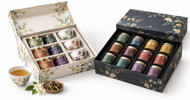
Give tea gift sets with cups to someone who needs a drinking vessel and would enjoy using it; give tea-only sets to someone who already has favorite teaware or prefers choosing their own. A cup does not necessarily include the infuser needed for loose leaf tea, so check the brewing equipment separately. Choose the gift that fits the recipient’s routine, not the box with the most pieces.
- Tea gift sets with cups suit recipients who need teaware; tea-only sets suit drinkers with favorite cups.
- Tea The World serves tea enthusiasts and gift shoppers looking for loose leaf tea and tea accessories.
- A cup is not automatically an infuser; check how the recipient will brew loose leaf tea.
- Check ingredients before choosing herbal blends for a caffeine-free bedtime gift.
Tea gift sets with cups vs tea-only sets: which should you give?
For your 2026 gift list, start with what the recipient already owns. Tea The World sells loose leaf teas, herbal blends, and tea accessories; choose the format around the person rather than assuming a particular ready-made bundle is offered.
| Gift format | Best for | Main advantage | Main drawback | Check before choosing |
|---|---|---|---|---|
| Tea with cups | Someone who needs a cup or enjoys receiving teaware | Adds a lasting object to the tea gift | The cup can duplicate something they own or miss their taste | Cup preference, care instructions, and whether brewing equipment is included |
| Tea-only | Someone with favorite cups and a working brewing setup | Keeps the gift focused on flavors they can explore | Loose leaf tea needs suitable brewing equipment | Tea ingredients, flavor preferences, and the recipient’s infuser |
Neither format wins for everyone. A well-chosen tea-only gift can feel more personal than an elaborate set with unwanted cups. Conversely, a useful cup can make a modest selection of tea feel complete.
Why this matters
Tea gifts reach into someone’s everyday habits. The recipient might drink from a large mug at a desk, enjoy a small cup after dinner, or share a pot with family. An attractive object is useful only when it fits that habit.
The same applies to the tea itself. A recipient who enjoys plain green tea does not automatically want a strongly scented herbal blend, and someone seeking an evening drink needs more information than a fruit name on the label.
Make usefulness the first filter and presentation the second. A gift that is easy to brew and pleasant to drink gives the recipient a clear reason to open it.
Tea gift sets with cups: best for someone who needs teaware
Choose a cup-inclusive gift when you know the recipient needs a vessel, likes collecting cups, or would enjoy a particular drinking experience. The cup should earn its place independently of the packaging. Ask yourself whether you would still choose it if the tea were sold separately.
For a beginner, a cup can make the gift feel welcoming. But loose leaf tea still needs a way to separate the leaves from the drink. Check whether the gift includes an infuser, whether the cup has an integrated strainer, or whether the recipient already owns suitable equipment.
What makes the cup useful?
Look for a shape and care routine that match the recipient’s habits. A handled mug and a handleless cup offer different ways to hold a hot drink; neither is automatically the better gift. Follow the maker’s care instructions rather than assuming every cup belongs in the dishwasher or microwave.
Consider these questions before choosing:
- Does the recipient prefer a mug, a small cup, or glassware?
- Will they use it at home, at work, or while serving guests?
- Do they have space for another piece of teaware?
- Will they accept the cup’s cleaning requirements?
- Is there a practical way to brew the included tea?
A cup is a good addition when you can answer those questions confidently. If you know little about their preferences, the object adds another decision you can get wrong.
When to skip the cup
Skip the cup when the recipient always uses a favorite mug, has limited storage, or is particular about tableware. An unwanted cup leaves them with something to store after the tea is gone. More pieces do not necessarily make a more thoughtful gift.
Also skip it when appearance is the only reason you are choosing the set. Packaging can make mismatched tea and teaware look coordinated without making either suitable for the person.
Tea-only gift sets: best for someone with a brewing setup
Choose tea-only when the recipient already owns an infuser, teapot, or other suitable brewing equipment. This format lets you focus on ingredients, aroma, and the drinks they actually enjoy. It also avoids selecting an object that must fit their cupboards and personal taste.
Tea-only is the stronger choice when you know the recipient’s tea preferences better than their teaware preferences. You can give a familiar favorite, introduce a related flavor, or build a small selection around a clearly understood routine.
Keep the selection easy to understand
As a simple gift-planning rule, choose 2 teas: one close to a known preference and one gentle departure. That is a suggested starting point, not a standard every gift must follow. Someone with a very specific favorite might appreciate a single well-chosen tea more.
Give each selection a clear purpose. For example, distinguish an everyday tea from an evening herbal infusion, but call the evening choice caffeine-free only after checking its ingredients. A blend’s name alone does not establish its caffeine content.
Avoid making every choice unfamiliar. A gift composed entirely of unusual ingredients asks the recipient to experiment before they know whether they will enjoy any of it.
When tea-only is incomplete
Tea-only falls short when the recipient cannot brew what you give them. Loose leaf tea without suitable equipment can become a cupboard item rather than a drink. Confirm their setup before assuming an experienced tea drinker uses loose leaves rather than tea bags.
Flavor uncertainty is the other drawback. Ask a small, practical question—whether they prefer plain tea, floral flavors, or mint—rather than trying to infer preferences from the occasion.
Why the right tea gift set varies
The best format depends on the recipient, not a universal ranking. Use these factors to decide which kind of gift belongs on your 2026 shopping list:
- Existing equipment: A recipient with an infuser and favorite cup usually needs fewer accessories.
- Flavor preferences: Familiar tea habits give you a better starting point than attractive blend names.
- Caffeine preferences: An evening gift requires ingredient checks, especially when blends contain actual tea leaves.
- Storage space: Extra cups and larger gift boxes need somewhere to live.
- Care requirements: Teaware should fit the recipient’s willingness to wash and maintain it.
- Personal taste: A cup is a visible household object as well as a drinking vessel.
The occasion can guide the presentation, but it should not override these practical details. A birthday gift and a thank-you gift can use the same thoughtful selection process.
How do you choose a tea gift without guessing?
Use this short process for a 2026 birthday, holiday, or thank-you gift. Decide what the recipient needs before selecting the packaging.
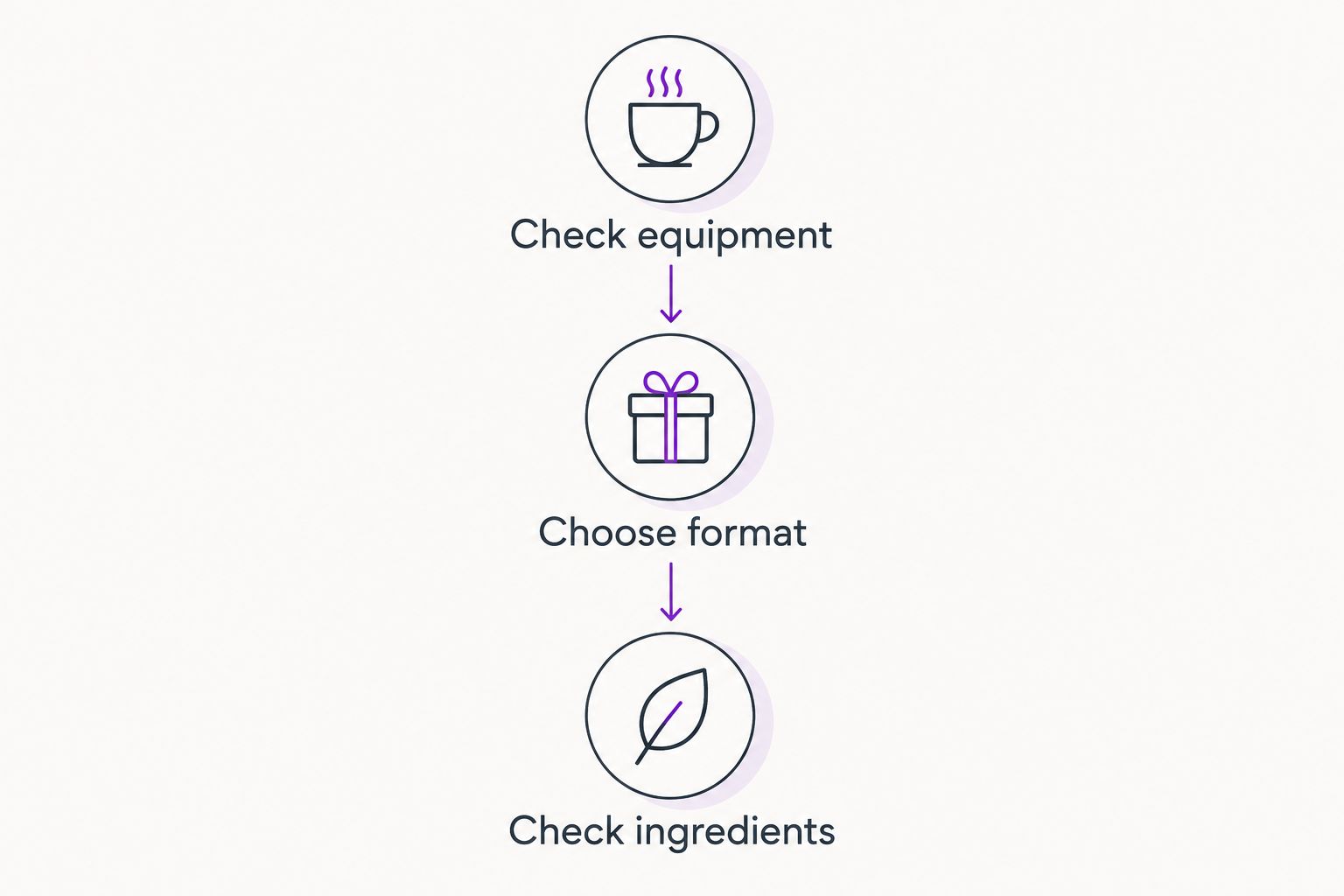
- Check equipment. Find out whether they have a favorite cup and a way to brew loose leaves. If you are building a beginner gift, consider 1 cup and 1 infuser only when those items fill an actual gap.
- Choose format. Pick tea with cups when the cup is wanted; pick tea-only when the brewing setup is already complete. Do not add teaware simply to make the gift look larger.
- Check ingredients. Review the full ingredient list for flavor, caffeine-containing ingredients, allergies, and any ingredients the recipient avoids. Use the preparation guidance supplied with the tea.
This process also helps with a gift you assemble yourself. You do not need to assume a retailer sells a particular bundle to pair appropriate tea with useful equipment.
Make the first brew straightforward
Leave the original ingredient information and brewing directions with the tea. Different teas need different preparation, so a single instruction for every selection can be misleading. If you add a handwritten note, point the recipient to the supplied directions instead of inventing a universal steeping time.
Make the equipment easy to identify, too. A cup, a tea strainer, and an infuser have different jobs; explain what an unfamiliar accessory does without turning the gift into a technical lesson.
For a recipient starting from scratch, the tea gift sets for beginners guide is a relevant next read. Keep the priority simple: the person should understand how to make their first cup.
Is a tea-only gift thoughtful enough?
Yes, a tea-only gift is thoughtful when its flavors and preparation fit the recipient. Personal attention comes from choosing something they will enjoy, not from adding a permanent object.
A short note can explain why you selected the tea: it resembles a flavor they like, suits their preferred drinking routine, or offers something they wanted to try. Keep that explanation about taste and use rather than promising health effects.
Presentation still matters, but useful information matters more. Preserve the tea’s labeling and any storage guidance when wrapping it. A decorative container should not replace the details the recipient needs to prepare and identify the tea.
Should you choose herbal tea for a bedtime gift?
Choose an herbal infusion for a bedtime gift only after checking the ingredients and the recipient’s preferences. Black, green, white, and oolong teas naturally contain caffeine; fruit or floral flavoring does not remove it. Herbal blends can also contain caffeine-bearing ingredients, so the word herbal is not enough by itself.
Frame the gift as an invitation to a pleasant evening routine, not a treatment for poor sleep. Aroma, warmth, and a familiar ritual are appropriate reasons to enjoy tea without making a medical promise.
Herbal ingredients are not suitable for everyone. If the recipient is pregnant, takes medication, or has a relevant health condition, they should check unfamiliar ingredients with a clinician or pharmacist. A tea gift should never suggest replacing medical care.
Where does Tea The World fit?
Tea The World is a fit for tea enthusiasts and gift shoppers choosing loose leaf tea and tea accessories. Its stated range includes herbal blends, glassware, and cast iron teapots, giving you categories to consider without assuming a specific gift bundle.
Apply the same checks to Tea The World tea gifts that you would apply elsewhere: read the ingredients, confirm the preparation method, and choose accessories only when they suit the recipient. A retailer’s range cannot tell you whether someone wants another cup or enjoys a particular flavor.
FAQ
What’s the best format for tea gift sets in 2026?
The best format for tea gift sets in 2026 depends on the recipient’s equipment: include cups when they want teaware, and choose tea-only when their setup is complete. Flavor preferences and brewing needs matter more than the number of pieces.
Are tea gift sets with cups better for beginners?
Tea gift sets with cups are better for beginners only when the cup fills a need and they have a way to brew the tea. A cup alone does not supply the infuser needed for loose leaf tea.
Is a tea-only gift enough for someone who loves tea?
A tea-only gift is enough when the recipient has suitable brewing equipment and you choose flavors they enjoy. It avoids adding unwanted cups to an established collection.
Should I include a teapot with a tea gift?
Include a teapot only when the recipient wants one and its brewing method and care requirements fit their habits. Check whether it includes an infuser rather than assuming it does.
Are fruit-flavored tea gifts caffeine-free?
Fruit-flavored tea gifts are not automatically caffeine-free. Check whether the blend contains black, green, white, oolong, or other caffeine-bearing ingredients.
Can I give herbal tea as a gift for better sleep?
You can give herbal tea as part of an evening routine, but do not present it as a treatment for sleep problems. Check ingredients, caffeine, and relevant safety cautions before choosing.
What should I check before buying a tea gift in 2026?
Before buying a tea gift in 2026, check the recipient’s brewing equipment, flavor preferences, ingredients they avoid, and teaware needs. Keep the original ingredient information and preparation directions with the gift.
One last thing
The most useful extra might be information rather than another object. A clear note explaining what the tea tastes like and where to find its brewing directions helps the recipient begin without guesswork.
Before wrapping your gift, imagine the recipient opening it and making a cup. If that first brew requires equipment they do not own, fix the gap; if it requires storing a cup they do not want, leave the cup out.