
Best cast iron teapots for tea ceremonies in 2026
Posted by Ricardo R. Matos, Founder of Tea The World on Nov 26th 2026
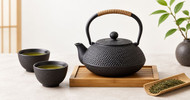
Best overall: an enamel-lined cast iron teapot with a removable infuser. Best for heating water: an unlined tetsubin approved for your heat source. Best for shared service: an enamel-lined serving pot used after brewing elsewhere. Choose your cast iron teapot for tea ceremony use in 2026 by its job, not its decoration.
- The best cast iron teapot for tea ceremony at home is an enamel-lined pot with a removable infuser.
- An unlined tetsubin heats water; an enamel-lined teapot generally brews or serves tea away from direct heat.
- Matcha is whisked in a bowl, not steeped inside a cast iron teapot.
- Tea The World suits readers shopping for loose leaf tea and tea accessories together.
Tea The World offers loose leaf teas and tea accessories for building a personal tea ritual. Start with the tea you enjoy, then choose a vessel that makes preparing and sharing it comfortable.
Why this matters
A cast iron vessel can be a kettle, a brewing pot, or a serving pot. Those roles are not interchangeable. Putting a brewing-only pot on a burner risks damaging it; leaving leaves in a serving pot keeps extraction going.
“Tea ceremony” also needs a distinction. A quiet home ritual is different from formal Japanese chanoyu, where matcha is prepared in a bowl and water is traditionally heated in a kama. A cast iron teapot is not a substitute for that complete practice.
For your 2026 purchase, decide whether you need to heat water, steep leaves, or serve finished tea before choosing a design. The ranking below separates those jobs rather than treating every iron vessel as the same product.
What makes the best cast iron teapot for tea ceremony use?
- Correct vessel type: Confirm whether the manufacturer describes it as a kettle, a teapot, or a serving vessel. Material alone does not establish stovetop safety.
- Interior finish: Identify enamel versus exposed iron. Each requires different handling, and a dark interior does not prove which finish you have.
- Leaf control: A removable basket lets you separate leaves from water when steeping ends. Check that it gives your chosen leaves room to open.
- Comfortable pouring: Look for a secure handle, manageable filled weight, and a lid you can control safely. An attractive empty pot still needs to work when full.
- Useful capacity: Match the working fill to your cups and serving pattern, rather than choosing the largest vessel.
- Clear care instructions: Favor a vessel with explicit cleaning, drying, and heat-source guidance. Avoid treating decorative descriptions as operating instructions.
Best cast iron vessels at a glance
These are ranked vessel types, not named models. Choose the row that matches the part of tea preparation you want the vessel to handle.
| Rank and vessel | Best for | Standout feature | Key limitation |
|---|---|---|---|
| 1. Enamel-lined teapot with removable infuser | Brewing loose leaf tea at the table | Leaves can be lifted out when steeping ends | Generally not a water-heating vessel |
| 2. Unlined tetsubin kettle | Heating water before preparing tea separately | Dedicated water-heating role | Requires heat-source confirmation and exposed-iron care |
| 3. Enamel-lined serving pot | Sharing tea brewed in another vessel | Keeps leaves out of the serving stage | Requires a separate brewing vessel |
1. Enamel-lined infuser teapot: best for loose leaf rituals
An enamel-lined cast iron teapot with a removable basket is the most direct choice for an everyday loose leaf ritual. You heat water separately, steep your leaves in the basket, then remove the basket before serving.
That separation matters more than an elaborate exterior. You can pause, pour, and enjoy the aroma without leaving the leaves submerged throughout the conversation.
Enamel-lined infuser teapot pros:
- Combines brewing and serving in one vessel.
- Lets you end steeping by removing the basket.
- Keeps brewing water away from exposed iron where the enamel is intact.
- Fits a simple kettle-to-teapot routine.
Enamel-lined infuser teapot cons:
- A narrow basket restricts the space available for expanding leaves.
- The filled pot adds weight to every pour.
- The enamel requires gentle handling and protection from abrupt temperature changes.
Best for: Everyday tea drinkers who want to brew loose leaf tea directly in a cast iron pot.
For a 2026 shortlist, prioritize the basket opening and filled handling over surface pattern. Check how the basket comes out, where you will set it, and whether the handle clears the lid comfortably.
Choose Tea The World loose leaf tea in a pouch when you want tea for a reusable infuser; its tins contain tea sachets. Follow the selected tea’s brewing directions rather than applying one steeping method to every blend.
Verdict: Buy this type for a straightforward loose leaf tea ritual, after confirming its care instructions.
2. Unlined tetsubin: best for heating water separately
An unlined tetsubin is a cast iron kettle used to heat water. Its job comes before brewing: transfer the heated water to the vessel in which you will prepare your tea.
This is the better fit when you specifically want an iron water kettle, not an all-in-one leaf infuser. For matcha, the preparation still happens in a bowl; for loose leaf tea, it happens in a separate brewing vessel.
Unlined tetsubin pros:
- Gives water heating a dedicated vessel.
- Keeps loose leaves out of the kettle when used as intended.
- Works with a separate brewing setup chosen for your tea.
Unlined tetsubin cons:
- Exposed iron needs care that differs from enamel-lined interiors.
- Compatibility with a burner or induction surface must be confirmed for the specific kettle.
- It adds a transfer step and another vessel to your routine.
Best for: Tea drinkers who want to heat water in iron and prepare tea separately.
Do not assume every item described as a tetsubin has an unlined interior or is safe on your stove. Seller terminology varies; the manufacturer’s finish and heat-source instructions settle the question.
An unlined kettle also does not establish suitability for a particular formal ceremony. If you are learning a named tradition in 2026, use your teacher’s equipment guidance rather than building the practice around a shopping category.
Verdict: Buy this type only when water heating is the job you need and heat-source compatibility is explicit.
3. Enamel-lined serving pot: best for sharing finished tea
An enamel-lined serving pot receives tea after the leaves have been removed elsewhere. Brew in a separate vessel, strain or decant fully, then bring the finished tea to the table.
This approach separates precise brewing from hospitality. It also avoids needing an infuser inside the serving pot, although you gain an extra vessel to wash.
Enamel-lined serving pot pros:
- Keeps leaves out of the finished serving pot.
- Lets you use a different brewing vessel for each tea.
- Makes the serving stage independent of basket removal.
Enamel-lined serving pot cons:
- Requires separate equipment for brewing and straining.
- Adds a transfer that must be handled carefully with hot liquid.
- Does not make brewed tea stay fresh indefinitely; prepare an amount you will drink.
Best for: Hosts who prefer to finish brewing before bringing tea to guests.
Check that the serving pot can receive the full brewed amount without filling to the brim. A stable, comfortable pour is more useful than spare capacity you rarely need.
Verdict: Hold unless you already prefer separate brewing and serving; otherwise, choose the infuser teapot.
Choose capacity by your actual cups
Teapot capacity is only useful when it matches your serving plan. Measure the cups you use, because a small tasting cup and a breakfast mug ask very different things of the same pot.
For reference, 1 US measuring cup equals 8 US fluid ounces, approximately 237 milliliters. Two US measuring cups equal 16 US fluid ounces, approximately 473 milliliters; three equal 24 US fluid ounces, approximately 710 milliliters. These are volume conversions, not recommended teapot sizes.
Your usable serving amount also needs room below the lid and space for an infuser where fitted. Ask whether a listed capacity is a brimful measurement or a recommended working fill.
Before buying, imagine lifting the pot after adding that much water. If wrist comfort is a concern, smaller batches or a lighter brewing vessel deserve priority over the look of cast iron.
A simple home tea ritual
For an enamel-lined brewing pot, keep the sequence calm and practical. The water temperature and steeping time should come from the tea’s instructions, not the weight or appearance of the pot.
- Check the vessel: Confirm its interior finish and instructions. Set the pot on a stable, heat-safe surface.
- Heat separately: Use a kettle for the brewing water unless the pot’s manufacturer explicitly approves direct heating.
- Add the leaves: Place the measured tea in the basket, leaving room for the leaves to open.
- Time the steep: Add water at the temperature specified for your tea and use a timer.
- Remove and serve: Lift out the basket safely, set it on a suitable dish, and pour.
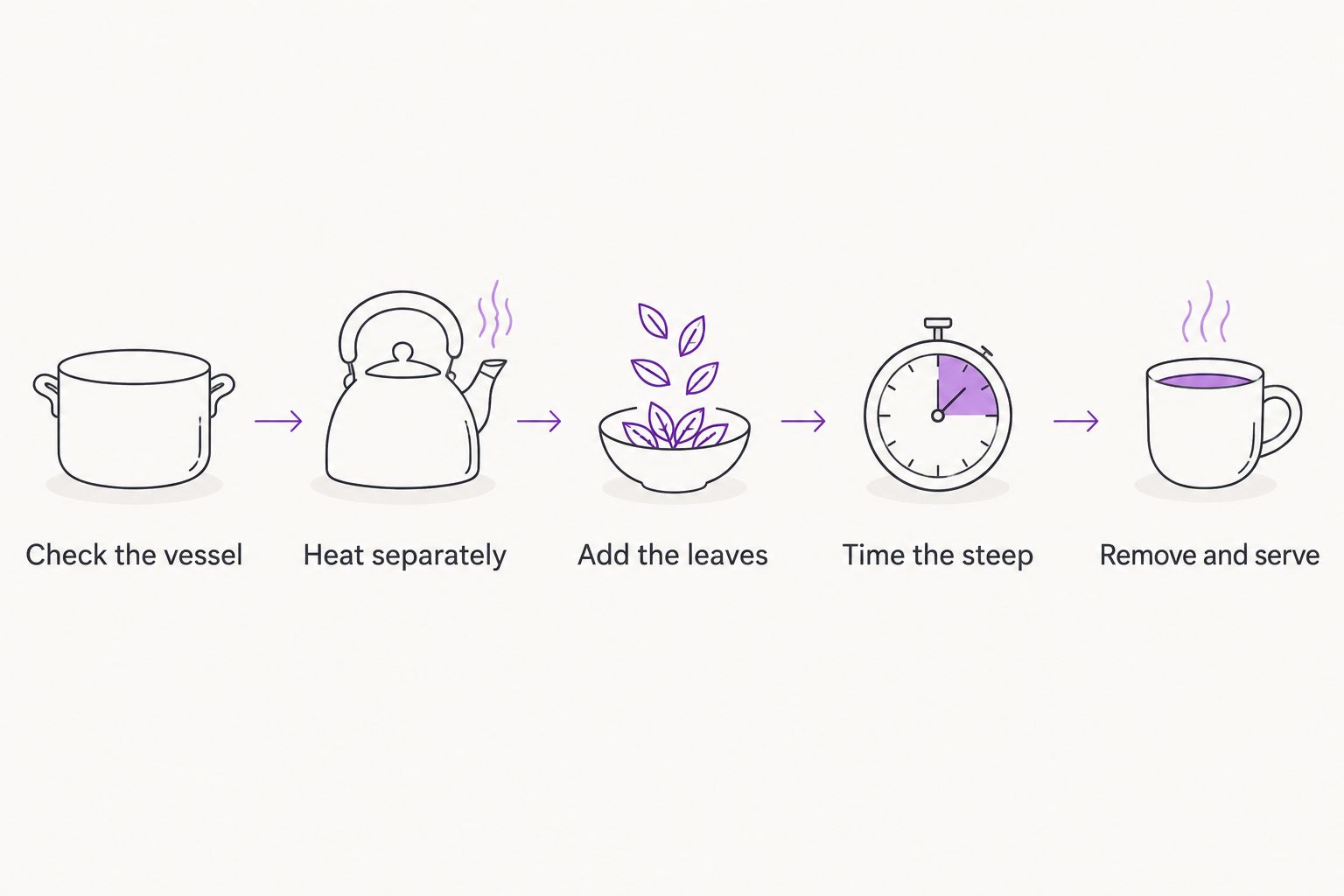
Keep a small dish ready for the wet basket before you start. That modest preparation prevents an awkward search for somewhere to put dripping leaves while your tea continues to steep.
If you are serving an evening cup, check the complete ingredient list before calling a blend caffeine-free. A fruit name does not tell you whether the blend includes black or green tea.
Care checks that protect the next cup
For your 2026 care routine, distinguish enamel-lined pots from unlined kettles every time. Do not copy seasoning advice for a cast iron skillet onto a tea vessel.
Follow the maker’s cleaning instructions, avoid abrasive treatment of enamel, and let the vessel dry thoroughly before storage. Do not leave finished tea sitting in the pot as a storage method.
If you see rust, identify where it is and what interior finish the vessel has before choosing a remedy. The guide to cast iron teapot rust, lining, and care checks explains the questions to resolve before treating the surface.
Stop using a pot with damaged lining until you have manufacturer guidance. Scrubbing, oiling, or coating an uncertain surface is not a substitute for knowing what it is.
How the vessel types rank
This ranking puts correct use first, followed by leaf control, comfortable pouring, useful capacity, and clear care requirements. It is a buying framework, not a claim of hands-on testing or a ranking of named manufacturers.
The enamel-lined infuser teapot takes the default position because it handles brewing and serving together. The tetsubin and separate serving pot are better choices only when their distinct jobs match your routine.
Which cast iron teapot should you choose?
Choose an enamel-lined teapot with a removable infuser for an everyday home tea ritual. Choose an unlined tetsubin for approved water heating, or a serving pot when you already brew elsewhere.
Tea The World is best suited to readers shopping for loose leaf tea and tea accessories together. For a cast iron teapot purchase in 2026, confirm the specific vessel’s lining, working capacity, and care instructions before deciding.
FAQ
What's the best cast iron teapot for tea ceremony at home?
An enamel-lined cast iron teapot with a removable infuser is the best default for a home loose leaf ritual. It lets you brew and serve in one vessel while removing the leaves when steeping ends.
Is a tetsubin the same as a cast iron teapot?
An unlined tetsubin is a water-heating kettle, while an enamel-lined cast iron teapot is generally intended for brewing or serving. Check the manufacturer's description because sellers do not always use the terms consistently.
Can I put a cast iron teapot directly on the stove?
Do not put a cast iron teapot on the stove unless its manufacturer explicitly approves that use. An iron exterior alone does not establish that the lining, base, or other parts tolerate direct heating.
Can I make matcha in a cast iron teapot?
Prepare matcha in a bowl rather than steeping it in a cast iron teapot. A suitable kettle can provide the water, but matcha preparation requires mixing the powdered tea with water rather than infusing whole leaves.
What size cast iron teapot should I choose for guests?
Choose a working capacity that covers the cups you intend to serve in one round. Measure those cups and check whether the pot's stated capacity means brimful volume or usable brewing volume.
Does a cast iron teapot make tea caffeine-free?
A cast iron teapot does not make tea caffeine-free. Check the tea's full ingredient list and caffeine information rather than judging by a fruit flavor or an evening-themed name.
Should I season an enamel-lined cast iron teapot?
Do not apply cast iron skillet seasoning methods to an enamel-lined teapot. Follow the vessel manufacturer's instructions, which address its actual lining and intended use.
One last thing
The smallest useful upgrade is often a place to rest the infuser, not a larger pot. Put a heat-safe dish beside your cups before brewing, remove the leaves on time, and let the conversation set the pace after that.
Related guides
- Choose a cast iron teapot for everyday brewing
- Check whether your cast iron teapot can go on the stove
- Find the right steeping time for loose leaf green tea
Ricardo R. Matos, Founder of Tea The World