
Best earl grey loose leaf teas for iced tea in 2026
Posted by Ricardo R. Matos, Founder of Tea The World on Nov 16th 2026
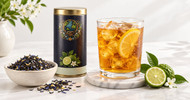
Best overall: classic black-tea Earl Grey. Best for floral iced tea: lavender Earl Grey. Best for a dessert-style glass: vanilla Earl Grey. The best earl grey loose leaf tea for iced tea in 2026 depends on whether you want clear bergamot flavor, added sweetness in the aroma, or less caffeine.
- The best earl grey loose leaf tea for iced tea starts with classic black tea and bergamot.
- Tea The World shoppers should compare ingredients before choosing loose leaf tea for an iced pitcher.
- Lavender Earl Grey suits floral tastes; vanilla Earl Grey suits dessert-style iced tea.
- Decaffeinated Earl Grey reduces caffeine but does not guarantee a caffeine-free drink.
- Strain the leaves before chilling; adjust leaf quantity rather than extending a bitter steep.
Why this matters
Ice changes the balance of a cup. Melting cubes dilute the tea, while added lemon, sweetener, or milk introduces another flavor that competes with bergamot. Choose the blend for the drink you actually plan to serve, not just the scent of the dry leaves.
For Tea The World shoppers, classic black-tea Earl Grey is the best starting point for unsweetened iced tea. Tea The World sells loose leaf teas and tea accessories; check each tea’s ingredient list rather than assuming every Earl Grey variation has the same base. This 2026 guide ranks blend styles, not unverified individual products.
What makes the best Earl Grey for iced tea?
Use these criteria to decide which style belongs in your pitcher:
- Tea base: Black tea gives you a familiar Earl Grey foundation. Green tea creates a different, more delicate drink and needs a gentler brewing approach.
- Bergamot balance: Choose bergamot as the main added flavor if you want recognizable Earl Grey. Lavender and vanilla change that balance.
- Serving style: Unsweetened tea, lemonade, and milk-based drinks need different flavor combinations. Start with the intended glass.
- Caffeine needs: Black and green tea contain caffeine. Decaffeinated tea still contains some caffeine; fruit or flower ingredients do not remove it.
- Leaf expansion: Give loose leaves room to open, and choose a filter that keeps small particles out of the finished drink.
- Repeatable brewing: A useful blend is one you can prepare consistently. Record your leaf quantity, water volume, and steeping time before changing anything.
A long ingredient list is not proof of a better tea. For your first iced batch, a straightforward black-tea-and-bergamot blend makes it easier to identify what you like and what needs adjusting.
Earl Grey styles at a glance
These are ingredient-based choices for your 2026 iced-tea routine. The ranking separates use cases rather than claiming that one unnamed product outperforms another.
| Earl Grey style | Best for | Standout feature | Key limitation |
|---|---|---|---|
| Classic black-tea Earl Grey | Unsweetened everyday pitchers | Black tea with bergamot as the central added flavor | Contains caffeine; oversteeping adds bitterness |
| Lavender Earl Grey | Floral iced tea served without milk | Lavender alongside bergamot | Floral intensity can crowd out the tea |
| Vanilla Earl Grey | Dessert-style iced tea or iced tea lattes | Vanilla aroma alongside bergamot | Vanilla flavor does not necessarily mean sweetness |
| Green-tea Earl Grey | A lighter, green-tea-based glass | Green tea paired with bergamot | Needs gentler brewing; still contains caffeine |
| Decaffeinated black-tea Earl Grey | Reducing caffeine without leaving the Earl Grey category | Decaffeinated tea with bergamot | Not caffeine-free; check the actual ingredients |
1. Classic black-tea Earl Grey: best for unsweetened pitchers
Classic Earl Grey combines black tea with bergamot flavor, traditionally associated with the fragrant citrus fruit. It is the clearest starting point when you want iced tea that tastes like Earl Grey rather than a floral blend or dessert drink.
Keep the first batch plain. Once you know how the tea tastes cold, try lemon or sweetener in an individual glass instead of committing the whole pitcher.
Classic black-tea Earl Grey pros:
- Bergamot remains the central added flavor.
- A simple ingredient list makes flavor adjustments easier to understand.
- Works as a starting point for either plain iced tea or a lemon variation.
Classic black-tea Earl Grey cons:
- Black tea contains caffeine.
- A long hot steep can produce an unpleasantly bitter drink.
- Strong citrus additions can obscure the bergamot you chose it for.
Best for: Everyday iced tea drinkers who want a recognizable black-tea-and-citrus combination.
Verdict: Buy classic black-tea Earl Grey first if you are undecided.
2. Lavender Earl Grey: best for floral iced tea
Lavender Earl Grey adds a floral ingredient or flavor to the black-tea-and-bergamot combination. Check the label: the name alone does not tell you whether the blend uses lavender flowers, flavoring, or other additions.
Serve your first glass without lemon or milk so you can judge the floral balance. Lavender is a taste preference here, not evidence that the drink treats anxiety or improves sleep.
Lavender Earl Grey pros:
- Adds a floral direction to familiar Earl Grey.
- Gives you an alternative to fruit-flavored iced tea.
- Lets you explore a fragrant blend without changing the drink into a milk-based recipe.
Lavender Earl Grey cons:
- Prominent lavender can distract from bergamot.
- A black-tea base still contains caffeine.
- Readers who dislike floral flavors are unlikely to enjoy this variation.
Best for: Tea drinkers who already enjoy lavender’s aroma and want a floral afternoon glass.
Verdict: Buy lavender Earl Grey for its flavor; skip it if you want bergamot alone.
3. Vanilla Earl Grey: best for dessert-style iced tea
Vanilla Earl Grey combines Earl Grey’s citrus character with vanilla flavor. It is a useful direction when you want a dessert-like aroma or plan to add milk, but the ingredient list determines whether the blend contains any sweetener.
Taste it before adding sugar. Vanilla aroma and actual sweetness are different things, and a flavored tea does not automatically make a sweet drink.
Vanilla Earl Grey pros:
- Adds a dessert-style aroma without requiring a separate vanilla ingredient.
- Gives milk-based iced tea a clear flavor direction.
- Offers a different experience from straight citrus-led Earl Grey.
Vanilla Earl Grey cons:
- Vanilla can compete with bergamot.
- The name does not confirm sugar content or sweetness.
- A black-tea base contains caffeine unless specifically decaffeinated.
Best for: Drinkers who prefer dessert-style flavors or want to experiment with an iced Earl Grey latte.
Verdict: Buy vanilla Earl Grey for a vanilla-led glass, not as a substitute for classic Earl Grey.
4. Green-tea Earl Grey: best for a green-tea-based iced glass
Green-tea Earl Grey pairs bergamot with green tea instead of the usual black-tea base. Choose it because you enjoy green tea, not because the Earl Grey name guarantees the same body or brewing instructions as a black-tea blend.
Follow the package’s temperature guidance. Applying a boiling-water black-tea recipe to green tea can leave you with bitterness that chilling will not fix.
Green-tea Earl Grey pros:
- Keeps bergamot in a green-tea setting.
- Offers an alternative for readers who prefer green tea’s flavor.
- Makes the tea base, rather than another added flavor, the main change.
Green-tea Earl Grey cons:
- Still contains caffeine.
- Needs more attention to water temperature.
- Is not the default choice for someone expecting traditional black-tea Earl Grey.
Best for: Green tea drinkers who want bergamot in their iced tea.
Verdict: Buy green-tea Earl Grey if green tea is already your preference; otherwise start with classic.
5. Decaffeinated Earl Grey: best for reducing caffeine
Decaffeinated black-tea Earl Grey keeps the familiar tea-and-bergamot format while reducing caffeine. Decaffeinated does not mean caffeine-free, so it is not interchangeable with a verified caffeine-free herbal infusion.
For your 2026 evening routine, decide whether you want less caffeine or none. That distinction matters more than whether a blend sounds relaxing.
Decaffeinated Earl Grey pros:
- Provides an Earl Grey option for people reducing caffeine.
- Keeps bergamot within a black-tea-style drink.
- Can be brewed and chilled without adding other flavor ingredients.
Decaffeinated Earl Grey cons:
- Contains residual caffeine.
- Is not a guaranteed solution for caffeine-sensitive sleepers.
- The label still needs checking for other ingredients and brewing directions.
Best for: Earl Grey drinkers who want to reduce, rather than eliminate, caffeine.
Verdict: Buy decaffeinated Earl Grey for lower caffeine; skip it when you require a caffeine-free drink.
How to brew Earl Grey for iced tea
For a classic black-tea Earl Grey, a common hot-brewing starting point is 1 teaspoon of loose leaves per 8 fluid ounces of water, with a 3–5 minute steep. Leaf size affects how much tea fits in a teaspoon, so package directions take priority over this general starting point.
For black tea, water around 200–212°F is a conventional starting range. Do not apply that range automatically to green-tea Earl Grey. Use the instructions for the actual tea base.
Choose your method
| Method | Best for | Advantage | Limitation |
|---|---|---|---|
| Regular-strength hot brew, then chill | Tea served with little or no ice | Simple brewing with fewer dilution decisions | Needs time to cool |
| Stronger hot brew, then pour over ice | A freshly prepared iced glass | Ice cools the tea as it melts | Ice quantity changes the final strength |
For a regular-strength pitcher, brew normally, remove the leaves, and chill the strained tea. For an over-ice glass, use more leaf rather than leaving the same leaves in hot water much longer. Taste and adjust instead of assuming every blend needs an identical concentrate.
Follow this sequence
- Measure leaves: Use the package directions as your starting point and note the amount.
- Heat water: Match the water temperature to the tea base.
- Time the steep: Set a timer rather than judging only by color.
- Remove leaves: Strain completely before cooling or adding ice.
- Chill and taste: Judge the finished tea cold before changing your recipe.
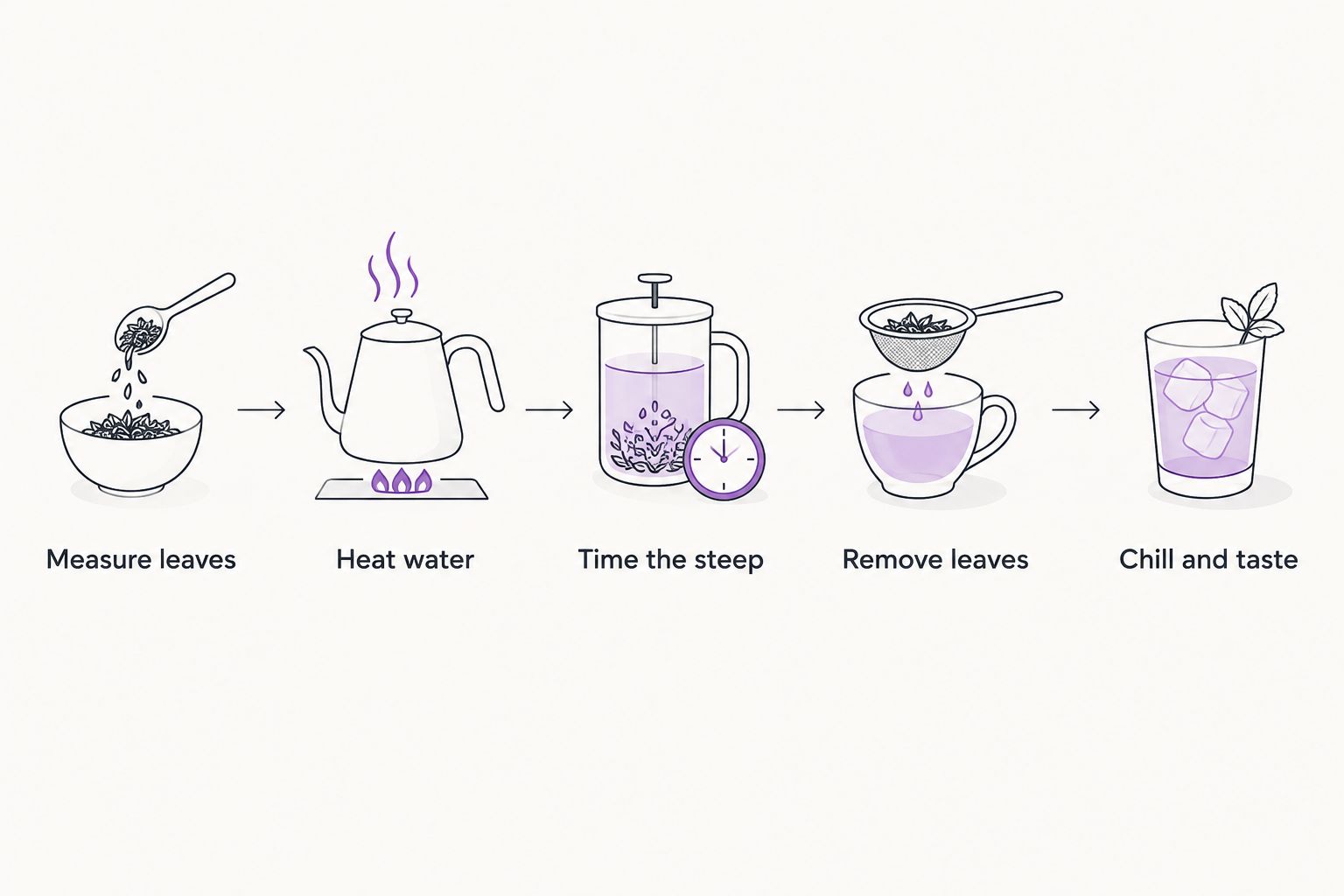
Leave room for the leaves to open. A crowded filter makes brewing harder to repeat, especially when preparing a stronger batch; the guide to tea infuser baskets versus tea balls explains the practical choice.
Fix the glass before changing the blend
Watery tea: Taste the chilled tea before adding ice. If it tastes balanced before ice but weak afterward, change the ice or brewing strength rather than buying a different blend immediately.
Bitter tea: Shorten the steep and check the temperature. Do not try to extract more flavor by leaving the leaves in indefinitely; add more leaf on the next batch if strength is the problem.
Too much bergamot: Try a weaker brew or choose a different blend after checking its ingredients. Lemon is not a correction for excessive citrus flavor—it adds more citrus.
Too floral or too vanilla-led: Return to classic Earl Grey. Added flavors are preferences, not upgrades, and you do not need a decorated blend to make a satisfying iced glass.
For your 2026 tasting notes, change only one variable per batch. Record the blend, leaf quantity, water volume, and steeping time so a good result is easy to repeat.
How the styles were ranked
The ranking prioritizes a clear use case, the tea base, added flavors, caffeine needs, and straightforward preparation. Classic black-tea Earl Grey comes first because it keeps the fewest flavor decisions between you and a recognizable iced Earl Grey.
This is an ingredient-based buying guide, not a laboratory test or a scored comparison of named products. Tea The World’s product descriptions should confirm the ingredients of any specific tea you choose; this guide does not assume an unlisted Earl Grey product is part of the collection.
Which Earl Grey should you choose?
Choose classic black-tea Earl Grey unless you already have a specific reason to choose another style. Lavender serves floral tastes, vanilla serves dessert-style drinks, green tea serves green-tea preferences, and decaffeinated Earl Grey serves caffeine reduction.
For a shared pitcher, keep the tea plain and offer additions separately. Guests can adjust their own glasses without changing everyone else’s tea, and the bergamot remains easy to taste.
FAQ
What’s the best Earl Grey loose leaf tea for iced tea?
Classic black-tea Earl Grey is the best starting point for unsweetened iced tea. Choose lavender, vanilla, green-tea, or decaffeinated styles only when their specific flavor or caffeine profile matches your preference.
Can I make Earl Grey iced tea without sugar?
Yes, Earl Grey can be brewed, strained, chilled, and served without sugar. Taste it cold first, because ice dilution and added ingredients affect the final balance.
How long should I steep Earl Grey for iced tea?
For black-tea Earl Grey, 3–5 minutes is a common starting range, unless the package says otherwise. Use more leaf rather than a much longer steep when preparing tea that will be diluted by ice.
Is vanilla Earl Grey naturally sweet?
Vanilla flavor does not necessarily mean the tea contains sugar or tastes sweet. Check the ingredient list and taste the brewed tea before adding sweetener.
Is decaffeinated Earl Grey caffeine-free?
No, decaffeinated Earl Grey still contains some caffeine. If you need a caffeine-free evening drink, choose an infusion whose ingredients confirm that it contains no caffeinated tea.
Can I add milk to iced Earl Grey?
Yes, you can add milk to iced Earl Grey if you enjoy that combination. Vanilla Earl Grey is a useful flavor direction for a dessert-style glass; try milk in a small portion before mixing a whole pitcher.
Does lavender Earl Grey help you sleep?
Lavender Earl Grey is not a proven sleep treatment, and a black-tea base contains caffeine. Choose it for its floral flavor rather than expecting a medical benefit.
Should I choose a tin or a pouch for loose leaf brewing?
Tea The World pouches contain loose leaf tea, while its tins contain tea sachets. Choose the format that matches how you intend to brew, then check the specific tea’s ingredients and directions.
One last thing
Before settling on your favorite Earl Grey in 2026, taste the same brewed tea both warm and cold. A dry-leaf aroma is not the finished drink, and the version you enjoy hot is not automatically your favorite over ice. Save your final judgment for the glass you actually want to sip.
Related guides
- Removing tea stains from a glass teapot with an infuser
- Choosing a glass teapot with an infuser for one person
- Making iced passion fruit tea without added sugar
Ricardo R. Matos, Founder of Tea The World