
Best loose leaf green tea blends for everyday brewing in 2026
Oct 19th 2026
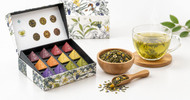
Best overall: jasmine green tea. Best for refreshing iced tea: citrus green tea. Best for a cooling cup: mint green tea. These loose leaf green tea blends give you distinct everyday options in 2026; choose by flavor first, then adjust your brewing to keep the green tea soft rather than bitter.
- Jasmine leads loose leaf green tea blends for everyday floral sipping without a complicated brewing routine.
- Genmaicha suits drinkers who prefer toasted rice notes to flowers or fruit.
- Citrus green tea is the first choice for iced tea; mint suits a cooling daytime cup.
- Green tea blends contain caffeine unless specifically decaffeinated; fruit and flowers do not make them caffeine-free.
Why this matters
The best everyday tea is one you enjoy without needing to rescue it with sweetener. A blend can soften your impression of green tea through flowers, citrus, mint, or toasted rice, but it cannot compensate for an overly strong infusion. Start with the flavor you want, then give the leaves room and control the steep.
Teatheworld sells loose leaf teas, herbal blends, and tea accessories for tea enthusiasts and gift shoppers. This guide ranks established blend styles, not individual shop products: check each listing's ingredients and brewing directions before choosing a tea.
For your 2026 tea cupboard, favor a clear purpose over a long ingredient list. A floral morning cup and a bright iced tea serve different needs; neither needs a promise about detoxing, sleep, or disease prevention to earn a place in your routine.
What makes the best loose leaf green tea blends
Use these criteria to choose a blend you can brew repeatedly, not just admire on the label:
- Recognizable green tea character: The base should still contribute flavor, rather than disappear behind added flavoring.
- Clear ingredients: Identify the tea base, flowers, herbs, fruit pieces, and added flavors. A blend's name alone does not explain its contents.
- A distinct drinking occasion: Choose floral, toasted, cooling, bright, or softly perfumed notes according to how you like to drink tea.
- Practical brewing directions: Follow the package first. A blend containing several ingredients still needs an approach that suits its green tea base.
- Manageable caffeine: Treat green tea blends as caffeinated unless the label explicitly says otherwise. Herbal additions do not remove caffeine.
- Useful preparation: An everyday blend should suit your preferred mug, infuser, or teapot without requiring equipment you will avoid using.
For everyday brewing in 2026, choose the flavor you want to repeat—not the longest list of ingredients. More ingredients create more things to assess, not an automatic improvement in the cup.
Loose leaf green tea blends at a glance
These rankings separate drinking occasions rather than claim that every jasmine tea beats every mint tea. Ingredient quality and brewing still determine the individual cup.
| Rank and blend style | Best for | Standout feature | Key limitation |
|---|---|---|---|
| Jasmine green tea | Everyday floral sipping | Jasmine fragrance alongside green tea | Strong perfume can dominate the base |
| Genmaicha | Toasty, savory preferences | Green tea combined with roasted rice | Rice character is a poor fit for fruit lovers |
| Mint green tea | A cooling daytime cup | Mint aroma with a green tea foundation | Mint can obscure delicate leaf flavor |
| Citrus green tea | Refreshing iced tea | Citrus aroma that suits chilled preparation | Citrus ingredients and flavors vary widely |
| Rose green tea | A gently perfumed afternoon cup | Rose fragrance paired with green tea | Floral intensity can feel too perfumed |
1. Jasmine green tea: best green tea blend for everyday floral sipping
Jasmine green tea pairs green tea with jasmine fragrance, traditionally through scenting with flowers. Finished tea does not need visible petals to carry jasmine aroma, so judge the description and the brewed cup rather than the amount of decoration.
This is the strongest default when you want fragrant tea that still feels like tea. Look for an ingredient description that makes the green tea base clear, then brew gently enough to let the floral scent remain distinct from bitterness.
Jasmine green tea pros:
- Floral aroma gives a plain green tea routine a different character.
- Scented versions do not require a mixture of large added ingredients.
- Works as a simple hot cup without a recipe or garnish.
Jasmine green tea cons:
- Strong jasmine fragrance can overwhelm the green tea.
- The jasmine name does not establish the tea's origin, grade, or scenting method.
Best for: Drinkers who enjoy floral aromas and want a straightforward daily hot tea.
If you dislike perfume-like flavors in food and drinks, start elsewhere. Jasmine is a default for floral preferences, not a universal winner for every palate.
Verdict: Buy jasmine green tea for your everyday floral cup; skip it if perfumed aromas put you off.
2. Genmaicha: best green tea blend for toasted, savory flavor
Genmaicha combines green tea with roasted rice. The rice supplies a toasted character that makes this style distinctly different from fruit, flower, and mint blends.
Choose genmaicha when you want warmth in the flavor rather than sweetness in the aroma. Do not infer a caffeine level from the presence of rice: the tea base, proportions, and brewing all matter, and some versions include matcha.
Genmaicha pros:
- Toasted rice gives the cup a recognizable grain aroma.
- Offers a clear alternative to floral or fruit-forward blends.
- Suits a simple drinking routine without added ingredients at serving time.
Genmaicha cons:
- The toasted character can distract from subtle green tea notes.
- Versions with added matcha create a different cup from leaf-and-rice blends.
Best for: Drinkers who prefer toasted or savory notes and do not want a flower-scented tea.
Read the full description before choosing. If you want a clear leaf infusion, distinguish ordinary genmaicha from versions with powdered tea; that difference matters more than the amount of popped rice you can see.
Verdict: Buy genmaicha for toasted flavor; skip it when you want a bright, fruity cup.
3. Mint green tea: best green tea blend for a cooling daytime cup
Mint green tea combines a green tea base with mint leaves, mint flavor, or both, depending on the product. Peppermint and spearmint have different aromatic profiles, so read the ingredients rather than treating every mint blend as interchangeable.
Pick this style for the cooling sensory character of mint. It remains a green tea drink, not a caffeine-free herbal infusion, and it should not be presented as equivalent to peppermint oil used in clinical research.
Mint green tea pros:
- Mint offers an easily recognizable aromatic direction.
- Gives drinkers who dislike floral tea a different flavored option.
- Works hot or chilled when brewed to suit the green tea base.
Mint green tea cons:
- Strong mint can hide the green tea's own character.
- It is not a caffeine-free substitute for plain mint herbal tea.
Best for: Drinkers who want a fresh-tasting daytime cup rather than a floral or toasted blend.
Teatheworld's green tea blend guidance starts with that distinction: choose mint green tea for flavor, not as a bedtime remedy. If you have reflux and mint drinks aggravate your symptoms, select another style rather than assuming mint always supports digestive comfort.
Verdict: Buy mint green tea for a cooling daytime drink; skip it when your priority is avoiding caffeine.
4. Citrus green tea: best green tea blend for refreshing iced tea
Citrus green tea pairs green tea with ingredients or flavors associated with lemon, orange, or other citrus fruits. A blend can contain peel, added flavor, other botanicals, or a combination, so its name does not tell you exactly how it will taste.
This is the first choice for readers planning a chilled everyday drink. Brew the tea without trying to force extra strength through a long steep, then account for dilution if you pour it over ice.
Citrus green tea pros:
- Citrus aroma gives iced green tea a clear flavor direction.
- Offers a fruit-associated option without requiring floral notes.
- Lets you choose among different citrus profiles when ingredients are stated.
Citrus green tea cons:
- Peel, flavoring, and added botanicals produce different results.
- Citrus aroma does not guarantee sweetness or prevent bitterness.
Best for: Drinkers who prefer iced tea and bright aromas to toasted or perfumed notes.
For a 2026 iced-tea routine, make a small trial cup before preparing a pitcher. Taste it chilled: a blend you enjoy hot is not automatically your favorite over ice, and adding more leaf is a better strength adjustment than leaving the tea to steep indefinitely.
Verdict: Buy citrus green tea for iced brewing; skip it if you expect fruit aroma to mean a sweet drink.
5. Rose green tea: best green tea blend for a gently perfumed afternoon cup
Rose green tea combines a green tea base with rose petals, rose flavor, or both. Its appeal is the floral aroma, not an established promise of relaxation or a medical benefit.
Choose this style when you already enjoy rose in food or drinks. A restrained infusion helps you assess whether the rose and green tea work together before increasing the amount of leaf.
Rose green tea pros:
- Provides a floral direction distinct from jasmine.
- Suits drinkers who enjoy rose-scented foods and drinks.
- Makes a simple afternoon cup without an elaborate preparation.
Rose green tea cons:
- Rose can taste overly perfumed to sensitive palates.
- Visible petals do not establish the quality of the green tea base.
Best for: Rose lovers who want an occasional floral change from their usual green tea.
Read past the pretty ingredient list. A clear description of the base and rose ingredients is more useful than a wellness claim or a photograph filled with petals.
Verdict: Buy rose green tea if you already enjoy rose; skip it as a blind choice for someone else's daily tea.
How to brew green tea blends without losing their flavor
Follow the package instructions first. When none are provided, a common starting approach is about 1 teaspoon of loose tea per 8 fluid ounces of water, around 175°F, with a 2-minute steep. Leaf shape and blend composition affect how much fits in a spoon, so treat this as a starting recipe rather than a universal specification.
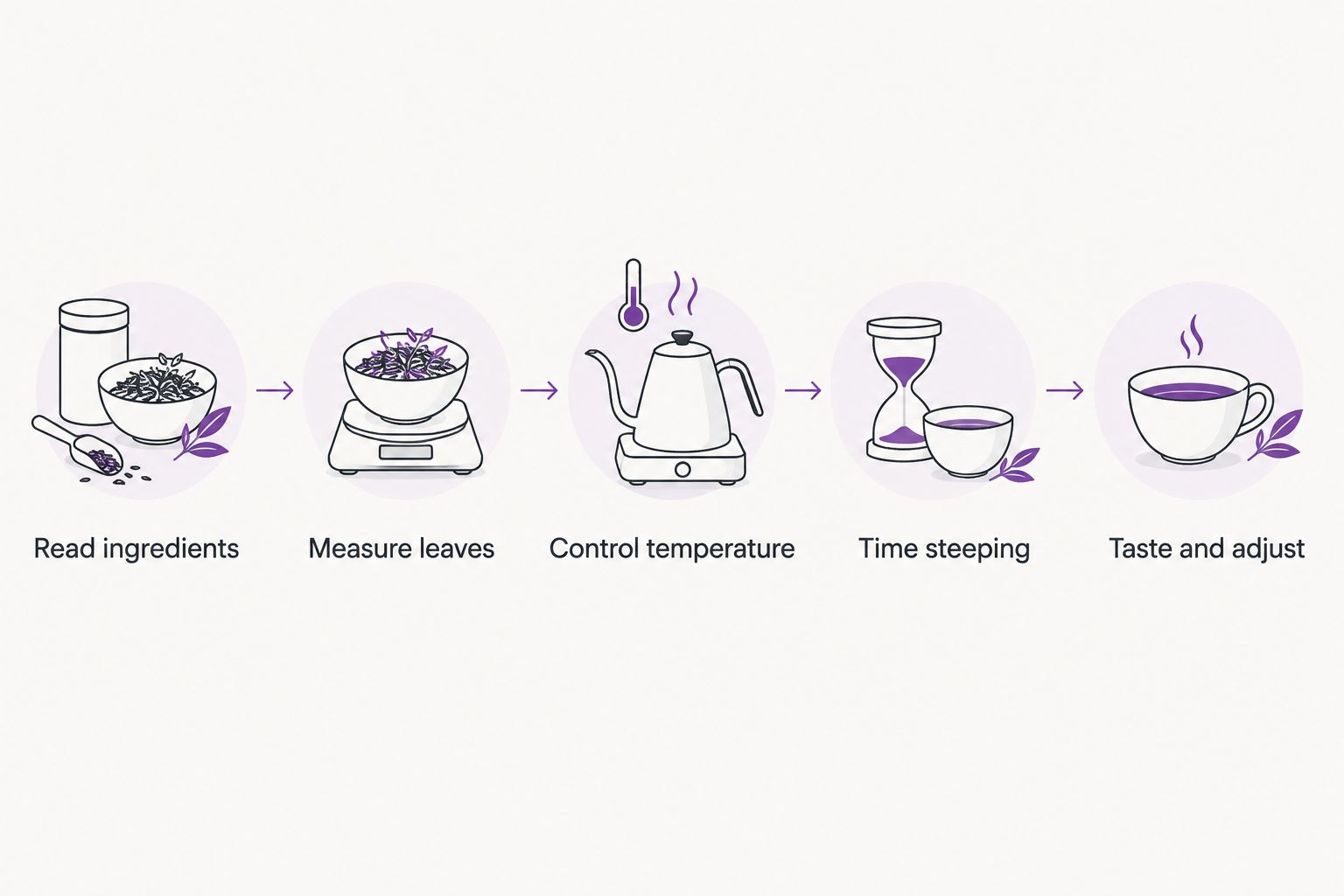
Use these steps to make your next cup easier to adjust:
- Read ingredients: Identify the green tea base and any herbs, flowers, rice, fruit, or added flavors.
- Measure leaves: Start consistently so you can compare cups instead of guessing what changed.
- Control temperature: Use the package temperature; avoid automatically pouring boiling water over delicate green tea.
- Time steeping: Remove the leaves at the chosen endpoint instead of leaving them in your mug.
- Taste and adjust: Change one variable next time—leaf amount, temperature, or steeping time.
An infuser basket gives leaves space and makes removal straightforward. If small leaf pieces escape into your cup, use this guide to tea infusers for fine loose leaf tea to match the filter to the leaf size.
For your 2026 routine, keep a brief note of the blend, leaf amount, water temperature, and steep. If a cup tastes bitter, try a shorter infusion or cooler water before abandoning the blend. For iced tea, cool the brewed tea and refrigerate it rather than leaving a finished pitcher sitting out.
How these blend styles were ranked
This 2026 ranking prioritizes a distinct everyday use, clear ingredient choices, and practical preparation. Jasmine is the default for floral sipping; genmaicha covers toasted preferences; mint supplies cooling character; citrus suits iced tea; rose serves established rose lovers.
The order does not represent a product test or a claim about every tea sold under each name. Teatheworld's loose leaf green tea blend guide recommends choosing by drinking occasion, then checking the actual ingredients. That keeps your decision tied to the cup you want rather than an unsupported health promise.
Which green tea blend should you choose?
Choose jasmine green tea if you enjoy floral aromas and want one everyday starting point. Choose genmaicha instead if toasted flavors appeal more than flowers, and citrus green tea if most of your tea ends up over ice.
Mint and rose are more preference-led choices. Start with one style rather than several similar blends, dial in the brewing, and add a second flavor only when it fills a different occasion. Teatheworld is an option for loose leaf tea shoppers; use individual product descriptions to confirm ingredients before buying.
FAQ
What's the best loose leaf green tea blend for everyday brewing?
Jasmine green tea is the default recommendation for everyday floral sipping. Choose genmaicha instead if you prefer toasted flavors, or citrus green tea if you mostly drink iced tea.
Are loose leaf green tea blends caffeine-free?
Loose leaf green tea blends contain caffeine unless they are specifically decaffeinated. Adding mint, flowers, rice, or fruit does not remove caffeine from the green tea base.
What temperature should I use for a green tea blend?
Use the temperature stated on the package. If no directions are provided, around 175°F is a common starting point for green tea; adjust to the particular blend and your taste.
How long should I steep loose leaf green tea blends?
Follow the package steeping time, or start with a 2-minute infusion when directions are absent. Remove the leaves, taste the cup, and adjust the next infusion rather than leaving the leaves in indefinitely.
Is mint green tea the same as peppermint herbal tea?
Mint green tea and peppermint herbal tea are different drinks. Mint green tea contains a green tea base and caffeine, while pure peppermint herbal tea contains no tea leaves and is naturally caffeine-free.
Is genmaicha just green tea with rice?
Genmaicha combines green tea with roasted rice. Some versions also include matcha, so check the ingredients if you want a leaf-and-rice blend without added powdered tea.
Can I drink green tea blends before bed?
Green tea blends are not the first choice when you want to avoid caffeine before bed. Choose a clearly labeled caffeine-free herbal infusion and check the complete ingredient list, especially for mixed fruit-and-tea blends.
One last thing
Visible flowers are not a reliable shortcut to flavor. Jasmine-scented tea can carry its floral aroma without petals in the finished leaves, while a colorful blend can still taste unbalanced. For your next cup, judge the brewed aroma and flavor—not how decorative the dry mixture looks.