
Best organic loose leaf teas for gifting in 2026
Oct 23rd 2026
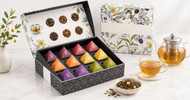
Best overall for daytime sipping: organic green tea. Best for an evening ritual: organic chamomile. Best for a caffeine-free introduction: organic rooibos. The best organic loose leaf tea gift in 2026 matches the recipient’s flavor preferences, caffeine needs, and brewing setup—not just an attractive package.
- An organic loose leaf tea gift should match flavor preferences, caffeine needs, and the recipient’s brewing equipment.
- Organic green tea suits daytime sipping; organic rooibos suits caffeine-free tea drinkers who prefer an earthy cup.
- Organic chamomile suits evening rituals; organic peppermint suits drinkers who enjoy a cooling mint flavor.
- Tea The World suits tea enthusiasts and gift shoppers looking for loose leaf teas and tea accessories.
- Check the specific tea’s organic labeling and ingredients before choosing; a category name does not establish certification.
By Ricardo R Matos
Why this matters
A thoughtful tea gift gives someone a cup they want to make again. A delicate green tea can delight a curious drinker but disappoint someone who loves a strong breakfast brew. Likewise, a beautiful loose leaf blend creates extra work if the recipient has no suitable strainer.
Tea The World sells loose leaf teas, herbal blends, and tea accessories for tea enthusiasts and gift shoppers. Start with the recipient’s habits, then check the individual tea’s ingredients and organic labeling before making your choice.
For this 2026 guide, the rankings describe tea types, not certified products or named gift sets. Each recommendation has a distinct use case, so you can choose by the person rather than by a universal winner.
What makes the best organic loose leaf tea gift?
- Verified organic labeling: Check the specific package or product description. USDA organic labeling follows defined rules; words such as natural or premium do not mean organic.
- A familiar flavor direction: Match grassy, malty, earthy, floral, or minty flavors to something the recipient already enjoys.
- The right caffeine fit: Green and black tea contain caffeine. Pure rooibos, chamomile, and peppermint are naturally caffeine-free; blends need an ingredient check.
- Manageable brewing: Choose a tea the recipient can prepare with their kettle, cup, and infuser. Green tea asks for more attention to water temperature.
- Clear ingredients: A short, readable ingredient list helps you avoid unwanted flavors and identify ingredients the recipient needs to avoid.
- Useful presentation: Pair loose leaf tea with practical brewing instructions and, when needed, an infuser. Decorations cannot replace a usable setup.
Organic tea gifts at a glance
| Rank and tea type | Best for | Standout feature | Key limitation |
|---|---|---|---|
| 1. Organic green tea | Curious daytime tea drinkers | Fresh, grassy or vegetal flavors | Contains caffeine; boiling water can make the cup bitter |
| 2. Organic black tea | Breakfast-tea drinkers | A fuller cup that works with milk | Contains caffeine; not an evening default |
| 3. Organic rooibos | Caffeine-free beginners | Earthy flavor without tea-leaf caffeine | Its woody character does not suit everyone |
| 4. Organic chamomile loose leaf tea | Floral evening rituals | Gentle floral aroma without caffeine | Avoid with known allergies to chamomile or related plants |
| 5. Organic peppermint loose leaf tea | Mint lovers | A cooling, distinctly minty cup | A poor default for someone whose reflux worsens with mint |
These rankings prioritize recipient fit over packaging. Organic status does not tell you whether a tea tastes floral, contains caffeine, or suits a particular health concern.
1. Organic green tea: best for curious daytime drinkers
Organic green tea is the best overall choice when the recipient enjoys daytime tea and wants to explore fresh flavors. Depending on its style, green tea can taste grassy, vegetal, toasted, or gently sweet. Choose a clearly described tea rather than assuming every green tea tastes alike.
The trade-off is preparation. Green tea is less forgiving of boiling water and long steeping than the herbal options below, so include a simple brewing note.
Organic green tea pros:
- Offers a distinct flavor experience for someone moving beyond breakfast tea.
- Works well as a plain cup without requiring milk or sweetener.
- Gives a curious drinker room to adjust steeping and explore flavor.
Organic green tea cons:
- Contains caffeine, so it is not the default for a bedtime gift.
- Excessive heat or steeping can produce a bitter cup.
Brewing starting point: Try 1 teaspoon of loose leaf tea per 8 fluid ounces of water, around 175°F, for 2 minutes. Treat this as a starting recipe, not a rule for every green tea; follow the package directions when they differ.
Best for: Someone who already enjoys tea and likes a lighter daytime cup.
Verdict: Buy organic green tea for a curious daytime drinker; skip it for a caffeine-free request.
2. Organic black tea: best for breakfast-tea drinkers
Organic black tea is the familiar choice for someone who reaches for a strong morning cup. Its flavor varies by style, from malty and rounded to brisk and aromatic. Match the description to how the recipient drinks tea: plain, with milk, or alongside breakfast.
For gifting in 2026, familiarity is an advantage. A person who already loves black tea does not need an unfamiliar herbal blend simply because the occasion calls for something special.
Organic black tea pros:
- Fits an established morning tea routine.
- Suits drinkers who prefer a fuller flavor than delicate green tea.
- Many styles work well with milk, giving the recipient serving options.
Organic black tea cons:
- Contains caffeine, making it unsuitable for a strictly caffeine-free gift.
- Long steeping can make the cup astringent rather than pleasantly strong.
Brewing starting point: Use 1 teaspoon per 8 fluid ounces of freshly boiled water and steep for 3 minutes before tasting. For a stronger cup, try more leaf rather than automatically extending the steep.
Best for: A breakfast-tea drinker who appreciates a familiar, full-flavored cup.
Verdict: Buy organic black tea for an established morning routine; skip it when evening sipping is the priority.
3. Organic rooibos: best for caffeine-free beginners
Pure rooibos is a naturally caffeine-free herbal infusion with an earthy, woody flavor. It gives a new loose leaf drinker an alternative to floral or minty herbs without introducing tea-leaf caffeine.
Choose plain rooibos when you want a straightforward ingredient list. If you choose a blend, read every ingredient: a rooibos base does not guarantee that the finished blend contains no caffeinated ingredients.
Organic rooibos pros:
- Pure rooibos is naturally caffeine-free.
- Its earthy flavor offers an alternative to floral herbal infusions.
- It suits a simple cup and can also be served with milk according to taste.
Organic rooibos cons:
- The woody flavor can disappoint someone expecting conventional black tea.
- Fine rooibos pieces need a fine-mesh infuser to keep particles out of the cup.
Brewing starting point: Try 1 teaspoon per 8 fluid ounces of freshly boiled water for 5 minutes, then adjust to taste. Use a roomy, fine-mesh basket rather than a strainer with large openings.
Best for: A caffeine-free beginner who prefers earthy flavors over flowers or mint.
Verdict: Buy organic rooibos for an approachable caffeine-free gift; skip it if the recipient dislikes woody flavors.
4. Organic chamomile: best for a floral evening ritual
Pure chamomile makes a naturally caffeine-free infusion with a floral aroma. It suits someone who enjoys a quiet evening cup and likes flowers in the flavor profile—not someone who expects a strong tea taste.
Give chamomile as part of a comfortable routine, not as a sleep treatment. The National Center for Complementary and Integrative Health reports insufficient reliable evidence to establish chamomile’s usefulness for clinical conditions; an evening tea gift should not promise to treat insomnia.
Organic chamomile pros:
- Pure chamomile contains no caffeine.
- Its floral aroma fits a gentle evening tea ritual.
- A single-ingredient version makes the contents easy to understand.
Organic chamomile cons:
- Its floral taste does not suit every tea drinker.
- Chamomile can cause allergic reactions, particularly in people allergic to related plants such as ragweed.
Brewing starting point: Follow the package directions, because whole flowers and broken material fill a spoon differently. Let the recipient know they can adjust strength after tasting rather than chasing a fixed color.
Best for: Someone who likes floral herbal drinks and wants a caffeine-free evening cup.
Verdict: Buy organic chamomile for a floral evening ritual; skip it for anyone with a known relevant allergy.
5. Organic peppermint: best for cooling mint flavor
Pure peppermint tea is naturally caffeine-free and has a distinctly cooling mint flavor. Choose it for a recipient who already enjoys mint, rather than treating it as a universal digestive remedy.
Peppermint tea is not the same preparation as peppermint oil used in clinical research. Evidence about an oil preparation does not establish the same benefit for a brewed cup, and mint can be an unwelcome choice for someone whose reflux symptoms worsen with it.
Organic peppermint pros:
- Pure peppermint contains no caffeine.
- Its recognizable mint flavor makes recipient preferences easier to judge.
- It offers a clear alternative to floral chamomile and earthy rooibos.
Organic peppermint cons:
- Its strong mint character can dominate a cup or blend.
- It is not a sensible surprise gift for someone who avoids mint because of reflux.
Brewing starting point: Follow the package instructions and taste before making the next cup stronger. Keep the gift note focused on flavor and enjoyment, not promised digestive effects.
Best for: A mint lover seeking a caffeine-free cup.
Verdict: Buy organic peppermint for a known mint lover; skip it when mint is a reflux trigger.
How these tea types are ranked
The order follows the criteria above: flavor fit, caffeine needs, brewing effort, ingredient clarity, and practical gifting. Green tea takes the daytime exploration slot; black tea fits breakfast habits; rooibos, chamomile, and peppermint serve different caffeine-free preferences.
This 2026 ranking does not score named products or certify their organic status. The recipient’s needs outrank the list order. A chamomile lover gets a better gift from a suitable floral infusion than from the first-ranked green tea.
Make the gift easy to enjoy
A loose leaf tea gift needs a way to separate the leaves from the finished drink. Before adding glassware or a teapot, check whether the recipient already has a cup they love. Sometimes the useful addition is simply a suitable infuser.
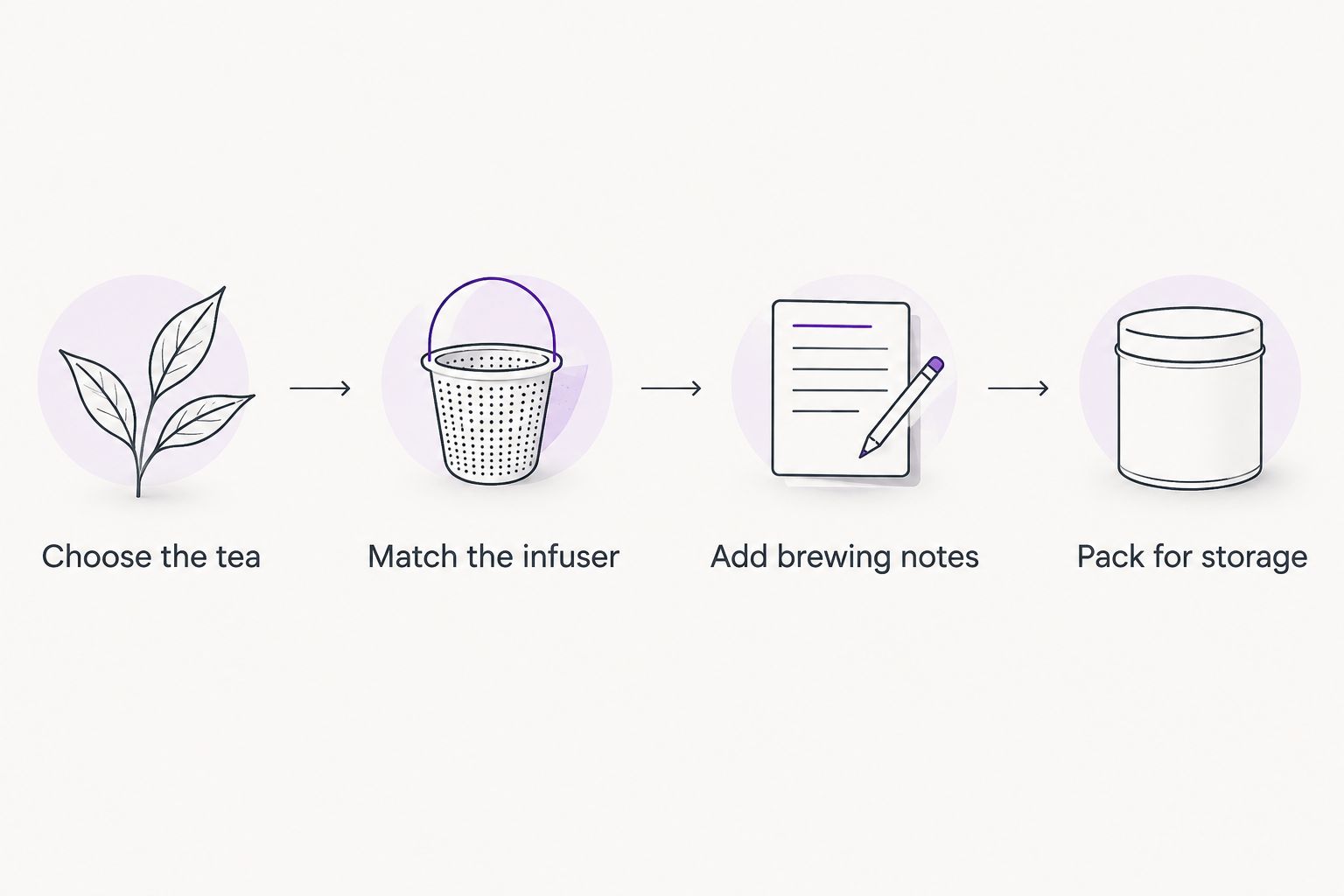
Use this sequence when putting the gift together:
- Choose the tea: Match flavor and caffeine preferences, then check organic labeling and ingredients.
- Match the infuser: Pick mesh fine enough for the leaf material and a basket with room for it to expand.
- Add brewing notes: Copy the tea’s actual package instructions rather than applying one recipe to every blend.
- Pack for storage: Keep the tea sealed and away from strong scents, moisture, heat, and light.
Tea The World tea accessories offer another place to start when you want to pair loose leaf tea with glassware or a cast iron teapot. Check the individual accessory’s care and use instructions before choosing; do not assume a teapot is safe for direct stovetop heating.
For a 2026 thank-you gift, include a personal note about why you chose the flavor. That small connection makes the gift about sharing tea, not handing someone a brewing assignment.
Which organic loose leaf tea gift should you choose?
Choose organic green tea as the default for a curious daytime tea drinker. Choose organic black tea for a breakfast-tea loyalist, rooibos for an earthy caffeine-free cup, chamomile for floral evening sipping, or peppermint for a known mint lover.
If you do not know the recipient’s preferences, ask one question before buying: do they prefer caffeinated tea or caffeine-free herbal drinks? That answer removes more unsuitable choices than elaborate packaging ever will.
FAQ
What’s the best organic loose leaf tea gift in 2026?
Organic green tea is the best default for a curious daytime tea drinker. For a caffeine-free gift, choose rooibos, chamomile, or peppermint according to the recipient’s flavor preferences and relevant safety needs.
How do I know a loose leaf tea is organic?
Check the specific tea’s organic labeling and product information. USDA organic labeling follows defined rules; natural, premium, and loose leaf do not establish organic status.
Which organic tea is best for an evening gift?
Pure organic chamomile suits someone who enjoys floral evening sipping, while pure rooibos suits someone who prefers an earthy cup. Both are naturally caffeine-free, but blended products require an ingredient check.
Is loose leaf tea better than tea bags for gifting?
Loose leaf tea is the better fit when the recipient enjoys choosing the amount of leaf and using an infuser. Tea bags are more convenient when simple preparation matters most; format alone does not establish quality.
Can I give chamomile tea as a sleep remedy?
Give chamomile as an evening drink, not as a treatment for insomnia. Evidence does not justify promising a sleep benefit, and people with relevant plant allergies should avoid it.
Does a fruit-flavored tea gift contain caffeine?
A fruit-flavored tea contains caffeine if its ingredients include caffeinated tea such as black or green tea. Fruit flavor alone tells you nothing about caffeine, so read the full ingredient list.
What should I include with a loose leaf tea gift?
Include clear brewing instructions and a suitable infuser if the recipient needs one. Tea The World sells loose leaf teas and tea accessories, so you can consider both parts of the brewing setup.
One last thing
Match the infuser to the smallest leaf pieces, not the size of the gift package. A fine herbal infusion can slip through a wide filter even when the teapot looks ideal. For your 2026 gift, that practical detail helps the first cup feel welcoming rather than fiddly.