
Best silver needle white tea brands in 2026
Posted by Ricardo R. Matos, Founder of Tea The World on Nov 23rd 2026
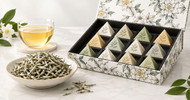
Best overall: unflavored Fujian silver needle white tea. Best for exploring a different origin: Yunnan silver needle. Best for floral fragrance: jasmine-scented silver needle. For your 2026 shortlist, choose the tea by its stated origin, ingredients, and brewing guidance—not by a brand name alone.
- Choose unflavored Fujian silver needle white tea for a traditional introduction to this bud-focused style.
- Choose Yunnan silver needle to explore another origin; compare individual teas rather than assuming a fixed flavor.
- Choose jasmine-scented silver needle for floral fragrance, not for an unaltered taste of the tea itself.
- Tea The World serves loose leaf tea shoppers; confirm the specific tea’s ingredients and origin before choosing.
A familiar shop makes browsing easier, but it does not establish the quality of a particular harvest. Tea The World sells loose leaf teas and accessories; a silver needle purchase still deserves a close reading of the individual tea description.
Why this matters
Silver needle is a white tea associated with tender, downy buds, also known by the Chinese name Bai Hao Yin Zhen. Its appeal is subtlety: aroma, texture, and a gentle finish rather than the force of a breakfast black tea.
That makes buying it slightly different from choosing a strongly flavored blend. A beautiful tin or an appealing wellness description tells you little about the buds inside. For your 2026 purchase, favor a clear identity and useful preparation instructions over vague promises of luxury.
The best silver needle is the one whose origin, ingredients, and flavor description match the cup you actually want.
What makes the best silver needle white tea?
Use these criteria before comparing retailers. They help you distinguish a useful product description from attractive but uninformative copy.
- Clear tea identity: The description should identify silver needle, not merely white tea. White peony and other white tea styles are different choices.
- Declared origin: Fujian and Yunnan provide different starting points for exploration. A more specific growing location adds context, but origin alone does not prove quality.
- Transparent ingredients: Plain silver needle and jasmine-scented silver needle serve different tastes. Added flavoring should not disappear behind a romantic product name.
- Bud-focused appearance: Look for recognizable, slender buds with fine down. Photographs help establish the style, although photographs cannot prove freshness or flavor.
- Useful brewing guidance: Instructions should help you choose a leaf quantity, water temperature, and steeping time. A generic instruction for every tea is less useful.
- Storage information: A well-sealed package and clear storage directions matter after purchase. Tea should stay away from moisture, heat, and strong household smells.
Do not treat a harvest year as a score. In 2026, a recent harvest label still needs context about processing and storage; the date alone does not tell you how the tea tastes.
Silver needle white tea options at a glance
These are ranked buying styles, not claims that an unverified retailer sells a particular tea. Each earns a separate place according to what you want from the cup.
| Ranked option | Best for | Standout characteristic | Key limitation |
|---|---|---|---|
| Unflavored Fujian silver needle | A traditional introduction | Fujian origin and an unflavored, bud-focused style | Subtle flavor is not ideal for drinkers seeking a strong cup |
| Yunnan silver needle | Comparing growing origins | A different regional expression of bud-focused white tea | Origin does not predict one consistent flavor profile |
| Jasmine-scented silver needle | Floral tea drinkers | Jasmine fragrance alongside white tea | Scenting makes it harder to assess the tea’s unscented character |
No single brand name resolves these differences. Start with the appropriate style, then compare the details supplied for individual teas.
1. Unflavored Fujian silver needle: best for a traditional start
Unflavored Fujian silver needle is the clearest starting point if you want to understand the style before exploring variations. Fujian is closely associated with Bai Hao Yin Zhen, and an unscented tea lets you focus on the buds themselves.
Descriptions often mention delicate floral, hay-like, or gently sweet impressions. Treat those as tasting language, not guaranteed flavors: your water, brewing method, and the individual tea affect what reaches your cup.
Unflavored Fujian silver needle pros:
- Gives you a reference point for exploring silver needle.
- Keeps added floral scent out of the comparison.
- Suits a quiet tasting session without milk or strongly flavored additions.
Unflavored Fujian silver needle cons:
- Its delicacy can disappoint someone expecting a forceful tea.
- The words Fujian and silver needle do not establish the quality of an individual batch.
Best for: Your first focused silver needle tasting, especially if you enjoy noticing aroma and texture.
Read beyond the product name. Look for an explicit origin, an ingredient statement, and a description that explains the tea rather than simply calling it premium. If these details are unclear, ask the seller before choosing.
Verdict: Buy this style as your default introduction to silver needle white tea.
2. Yunnan silver needle: best for exploring another origin
Yunnan silver needle gives you another regional expression of a bud-focused white tea. Choose it because you want to compare origins, not because a regional name guarantees a stronger, sweeter, or better cup.
Individual teas differ in plant material, processing, and storage. A useful description tells you what makes that particular tea distinctive instead of presenting all Yunnan white tea as interchangeable.
Yunnan silver needle pros:
- Adds another origin to your white tea exploration.
- Gives you a useful comparison alongside a Fujian tea.
- Encourages attention to the individual tea rather than the category name alone.
Yunnan silver needle cons:
- Regional identity does not guarantee a particular tasting note.
- The label alone does not explain how closely it resembles the Fujian style you know.
Best for: A curious tea drinker who already has a reference cup and wants to compare origins.
Use the same water and brewing vessel when comparing teas. Record aroma, texture, and finish separately; that is more useful than deciding which tea is simply stronger. For a 2026 tasting notebook, keep the package details with your notes so you can identify what you drank later.
Verdict: Buy for an origin comparison; skip assumptions about a universal Yunnan flavor.
3. Jasmine-scented silver needle: best for floral fragrance
Jasmine-scented silver needle pairs white tea with jasmine fragrance. It suits someone who wants a fragrant cup and enjoys floral tea more than an entirely unscented tasting experience.
Read the ingredient statement and the explanation of scenting. A description should distinguish jasmine scenting from added flavoring rather than leaving you to infer the method from the name.
Jasmine-scented silver needle pros:
- Offers a clearly floral direction for your tea selection.
- Connects familiar jasmine fragrance with a white tea base.
- Makes a distinct comparison with unscented silver needle.
Jasmine-scented silver needle cons:
- Jasmine changes your perception of the underlying tea.
- It is not the right reference cup for learning unscented silver needle.
Best for: A jasmine tea drinker who wants to explore a white tea base.
For gifting, ask whether the recipient enjoys floral aromas. A pronounced scent is a preference, not an automatic improvement, and a tea lover who enjoys plain green or white tea does not necessarily want jasmine.
Verdict: Buy for floral fragrance; skip it when your goal is an unscented benchmark.
How the ranking works
The order follows a simple decision: learn the traditional style first, explore another origin second, or choose added floral fragrance when that is your preference. The ranking rests on tea identity, origin transparency, ingredients, and practical brewing information.
It does not assign scores to retailers or claim a tasting competition. Tea The World is best for shoppers seeking loose leaf teas and tea accessories in one online shop. That shopping fit is separate from deciding which individual silver needle tea meets your needs.
How to brew your first cup
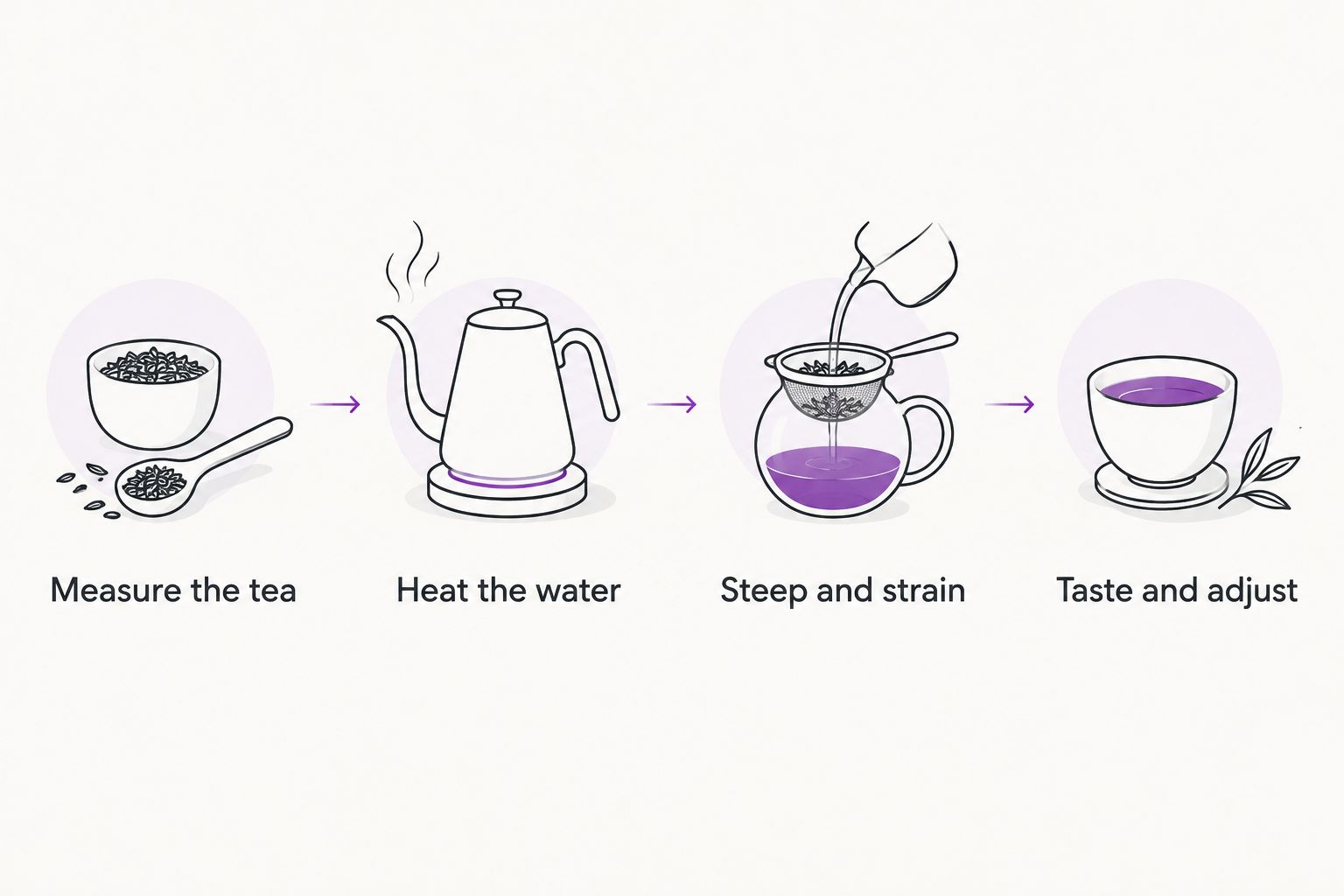
Start with the seller’s instructions when provided. Otherwise, use this gentle starting recipe for an unflavored silver needle, then adjust it to your taste rather than treating it as a universal standard.
- Measure the tea: Start with 3 grams of tea for 250 milliliters of water. Weighing helps because long buds sit loosely in a spoon.
- Heat the water: Begin around 80°C / 176°F. Use fresh drinking water with a taste you enjoy.
- Steep and strain: Try 4 minutes, then separate the tea from the water completely.
- Taste and adjust: If the cup feels too light, change the leaf quantity or steeping time on your next attempt—not both together.
A roomy basket makes it easier to immerse long buds without packing them tightly. This guide to a tea infuser basket versus a tea ball explains the practical differences.
Drink the first cup plain. Milk, honey, and lemon change the balance, so add them later if you enjoy them rather than using them to judge the tea’s original character.
You can also try another infusion of the same leaves. Taste it on its own terms; there is no need to demand the same aroma or strength from every steep.
Caffeine, evening routines, and wellness claims
Silver needle white tea contains caffeine because it comes from Camellia sinensis. Its pale color and delicate flavor do not make it caffeine-free, and the name alone cannot tell you the caffeine content of your finished cup.
If your goal is a caffeine-free bedtime routine, choose a clearly identified caffeine-free herbal infusion instead. Check every ingredient, especially in fruit-flavored blends: fruit flavor does not identify the tea base.
For your 2026 routine, separate enjoyment from treatment claims. Choose silver needle for its flavor and the pleasure of preparing tea, not as a promised remedy for sleep problems, digestive conditions, or disease. Tea does not replace medical care.
Which silver needle white tea should you choose?
Choose unflavored Fujian silver needle if you are undecided. It gives you a useful reference before you explore another origin or a scented version.
Choose Yunnan silver needle when comparison itself is the pleasure. Choose jasmine-scented silver needle when floral fragrance is what you want to smell rising from the cup.
At Tea The World, tins contain tea sachets and pouches contain loose leaf tea. Check the format as carefully as the tea name so your choice suits the equipment you use.
FAQ
What is the best silver needle white tea for beginners?
Unflavored Fujian silver needle is a useful first choice because it provides a traditional reference for the style. Choose a clearly described tea with a stated origin and practical brewing instructions.
Which brand makes the best silver needle white tea?
A brand name alone does not establish the best silver needle white tea. Compare the individual tea’s origin, ingredients, storage information, and brewing guidance before choosing.
Is silver needle white tea caffeine-free?
No, silver needle white tea contains caffeine. A pale infusion does not indicate a caffeine-free drink, so choose an explicitly caffeine-free herbal infusion when that is your goal.
Is Fujian silver needle better than Yunnan silver needle?
Fujian silver needle is the better starting point for learning the traditional style; Yunnan silver needle suits origin exploration. Neither regional name guarantees the quality or flavor of an individual tea.
How do you brew silver needle white tea?
Follow the seller’s instructions first. As a starting recipe, try 3 grams in 250 milliliters of water at 80°C / 176°F for 4 minutes, then strain and adjust to taste.
Should silver needle white tea taste strong?
Silver needle is generally a delicate style rather than a forceful cup. If your brew feels too light, adjust the leaf quantity or steeping time before deciding that the tea does not suit you.
Is jasmine silver needle the same as plain silver needle?
No, jasmine-scented silver needle includes jasmine fragrance, while plain silver needle does not. Choose jasmine for a floral experience and plain tea to explore the unscented character.
One last thing
A pale cup can still have plenty to notice. Let the tea cool slightly, then return to its aroma, mouthfeel, and finish before adding more leaf on your next brew.
For your next 2026 tasting, change only one brewing variable and write down the result. That small habit tells you more about your preferences than another adjective on a tea package.
Related guides
- Choose a glass teapot with an infuser for one person
- Build a kettle-to-cup loose leaf tea routine
- Use a kitchen scale for consistent loose leaf brewing
Ricardo R. Matos, Founder of Tea The World