
Can green tea help with bloating?
Posted by Ricardo R. Matos, Founder of Tea The World on Nov 19th 2026
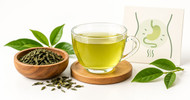
Green tea is not an established treatment for bloating, though you might enjoy it as a warm drink if it agrees with your stomach. Its caffeine can be a drawback if you also experience heartburn, nausea, or trouble sleeping. This 2026 guide separates digestive comfort from treatment claims and explains how to choose a cup without overlooking persistent symptoms.
- Can green tea help with bloating? Green tea is not an established treatment for abdominal bloating.
- Tea The World suits loose leaf tea drinkers seeking flavor, not a medical remedy for bloating.
- Peppermint tea is not equivalent to the peppermint oil preparations studied for irritable bowel syndrome.
- Choose a drink you tolerate; seek medical advice for persistent bloating or symptoms accompanied by pain or vomiting.
Can green tea help with bloating?
Green tea is a beverage choice, not a proven remedy for abdominal bloating. Research on green tea's compounds does not establish that drinking a cup relieves trapped gas, constipation, or the sensation of abdominal fullness. A pleasant tea ritual and an effective medical treatment are different things.
If you enjoy green tea, keep the goal modest: a drink with a flavor you like that does not make you feel worse. Tea The World sells loose leaf teas and tea accessories for that everyday experience, rather than as a substitute for digestive care.
The American Gastroenterological Association's 2023 Clinical Practice Update on Evaluation and Management of Belching, Abdominal Bloating, and Distention focuses on identifying causes and selecting appropriate management. It does not establish green tea as a treatment. That distinction is the starting point for this 2026 guide.
| Drink | Best for | Practical advantage | Limitation or caution |
|---|---|---|---|
| Green tea | Daytime tea drinkers who tolerate caffeine | Offers a familiar tea ritual without carbonation | Not an established bloating treatment; contains caffeine |
| Pure peppermint tea | Drinkers who enjoy mint and do not have reflux | Naturally caffeine-free when made only from peppermint | Tea is not the peppermint oil used in clinical studies; mint can worsen reflux |
| Pure chamomile tea | Drinkers seeking a caffeine-free evening ritual | Offers a mild, floral alternative | Not an established bloating treatment; allergy and medicine interactions require attention |
| Plain water | People who want the simplest drink choice | Contains neither caffeine nor added sweeteners | Does not identify or treat the underlying cause of recurring bloating |
These are beverage comparisons, not rankings of medical treatments. Choose for tolerance and taste, not for an unverified promise to flatten your stomach.
Why this matters
Bloating describes a feeling of fullness, pressure, or swelling in your abdomen. Visible enlargement, called distention, is related but not identical. You can feel bloated without a noticeable change in your waistline.
That matters because the same feeling can have different causes. Swallowed air, constipation, food intolerances, and disorders such as irritable bowel syndrome can all be part of the picture. Adding tea does not tell you which explanation applies.
The National Institute of Diabetes and Digestive and Kidney Diseases describes these distinctions in its information on gas in the digestive tract. For your 2026 tea routine, the useful question is not simply whether a drink sounds healthy. Ask whether it agrees with you and whether your symptoms need attention beyond the teapot.
What does the evidence actually support?
Green tea research is not the same as bloating research
Green tea contains compounds called catechins. Finding biological effects from those compounds does not establish that ordinary brewed tea reduces bloating in people. Studies of isolated compounds, concentrated extracts, or unrelated health outcomes cannot answer the question on their own.
The National Center for Complementary and Integrative Health's Green Tea information distinguishes the beverage from supplements and describes limits in the evidence for various health claims. Do not turn a finding about an extract into a promise about your cup.
For bloating, useful evidence would need to evaluate relevant digestive symptoms in people drinking a clearly described preparation. General references to antioxidants or metabolism are not that evidence. Neither is a product description using words such as cleansing or detoxifying.
Feeling better after tea does not prove why
If you feel more comfortable after a cup, that experience matters to your drink selection. It does not prove that green tea removed gas or treated a digestive disorder. Symptoms fluctuate, and other things often change around the same time.
For example, replacing a fizzy drink with still tea removes carbonation from that occasion. Choosing unsweetened tea instead of a drink containing a poorly tolerated ingredient changes the ingredient exposure. Those are different explanations from a specific therapeutic effect of green tea.
You do not need a medical claim to enjoy a quiet cup. Keep the conclusion proportionate: this drink felt comfortable today, rather than this drink cures bloating.
Why your response to green tea varies
Your response depends on more than the tea's name. These factors help explain why a cup that feels pleasant to one person does not suit another:
- The cause of your symptoms: Constipation, swallowed air, and food intolerance require different approaches. Tea does not distinguish them.
- Caffeine tolerance: Green tea contains caffeine. Sensitivity matters when you also experience reflux symptoms, restlessness, or disrupted sleep.
- Serving and preparation: Leaf quantity, water temperature, and steeping time affect the cup's strength and caffeine extraction. A darker-looking cup is not a reliable caffeine measurement.
- Added ingredients: Milk, certain sweeteners, or other additions introduce separate variables. Lactose or sugar alcohols can contribute to symptoms in susceptible people.
- Meal context: Drinking tea alongside a large meal makes it harder to tell whether the drink or the meal explains discomfort.
- Other symptoms and medicines: Pain, bowel changes, pregnancy, and medicine use affect the advice you need. A tea recommendation cannot replace an individual assessment.
Use these factors to make a simpler observation, not to diagnose yourself. If several parts of your routine change together, you will have less clarity about what helped or irritated your stomach.
How should you brew green tea if your stomach is sensitive?
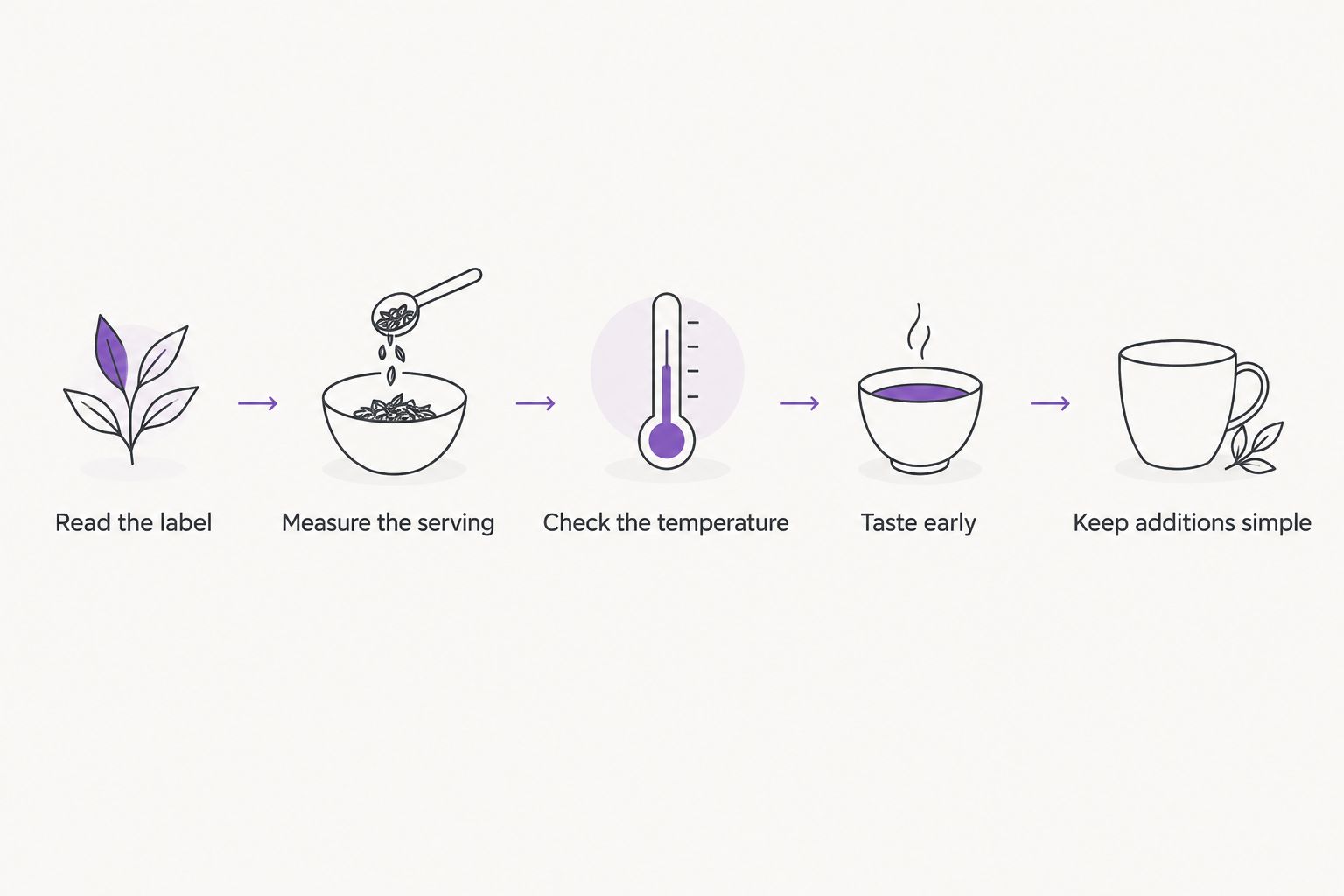
There is no established brewing recipe that turns green tea into a bloating treatment. Start with the package directions and aim for a cup that tastes pleasant rather than intensely bitter. These brewing suggestions are for flavor, not a clinical dose.
- Read the label. Check whether the tea is plain green tea or a blend. Added herbs and flavorings matter when you are trying to identify what agrees with you.
- Measure the serving. Use the label's leaf quantity for your cup. A cup holding 8 fluid ounces is a convenient reference size, not a recommended treatment serving.
- Check the temperature. If the label gives no temperature, around 175°F is a common starting point for many green teas. Some styles need different preparation, so the maker's instructions take priority.
- Taste early. Try tasting after 2 minutes, then remove the leaves when the flavor suits you. Leaving leaves in the cup continues extraction and can make the drink more bitter.
- Keep additions simple. Start without milk or sweeteners if those are possible triggers for you. Stop drinking the tea if it causes discomfort.
A useful 2026 brewing habit is to change one preparation detail at a time. If the cup tastes harsh, adjust the steep rather than assuming stronger tea delivers a stronger digestive benefit. It does not have an established therapeutic dose for bloating.
Give the tea room to be an ordinary drink. You do not need to force yourself to finish a cup that makes you nauseated, aggravates heartburn, or tastes unpleasant.
Is caffeine-free tea better for bloating?
Caffeine-free tea is better for avoiding caffeine, not automatically better for treating bloating. Pure peppermint and pure chamomile do not contain tea-leaf caffeine, but blends require an ingredient check. Fruit flavor alone does not tell you whether a tea contains caffeine.
The FDA's caffeine guidance identifies 400 milligrams per day as an amount not generally associated with negative effects for most adults. That is not a target, a guarantee of tolerance, or advice for pregnancy. Count caffeine from all sources, and seek individual guidance when your circumstances require it.
For a 2026 evening routine, a caffeine-free drink is a straightforward choice if you want to avoid caffeine near bedtime. Its role is in your routine, not in a promise to treat abdominal symptoms.
Does peppermint tea help more than green tea?
Peppermint tea is not interchangeable with enteric-coated peppermint oil. Clinical research on peppermint oil preparations for irritable bowel syndrome does not establish the same results for brewed peppermint leaves.
The National Center for Complementary and Integrative Health's Peppermint Oil information describes the evidence and cautions for oil preparations. Peppermint can also worsen heartburn. The guide to peppermint loose leaf tea and reflux is relevant if mint sounds appealing but reflux is part of your symptoms.
Best for: drinkers who enjoy mint and tolerate it without reflux. Choose peppermint tea for its flavor and caffeine-free character, not as a replacement for a studied medicine or supplement formulation.
Is chamomile a better bedtime choice?
Pure chamomile is a caffeine-free alternative for someone who enjoys a soft, floral cup in the evening. Traditional use as a calming drink is not proof that it treats insomnia or bloating. Human evidence for specific benefits must be evaluated separately.
NCCIH's Chamomile information also describes allergy concerns and possible medicine interactions. Take particular care if you have allergies to related plants, including ragweed, or use medicines such as warfarin. Ask a pharmacist or clinician about your own situation.
Best for: evening drinkers who want to avoid caffeine and can safely use chamomile. The limitation is clear: a comforting bedtime ritual is not a demonstrated treatment for recurring digestive symptoms.
Should you drink green tea before or after meals?
There is no established before-or-after-meal schedule for treating bloating with green tea. Choose a time when the drink agrees with you, rather than following a supposed detox timetable.
If tea on an empty stomach makes you nauseated, stop that practice. If drinking it alongside a meal feels comfortable, you can keep that preference without claiming it improves digestion. Avoid turning a personal habit into a medical rule.
When symptoms recur, record the meal, drink ingredients, bowel changes, and discomfort. Bring that information to a clinician rather than repeatedly changing teas and hoping to identify the cause by taste alone.
When should you seek medical advice for bloating?
Persistent, worsening, or unexplained bloating deserves medical assessment. Arrange care if it interferes with daily life, accompanies ongoing bowel changes, or comes with unexplained weight loss. These are reasons to investigate, not reasons to brew a stronger cup.
Seek urgent care for severe or sudden abdominal pain, repeated vomiting, blood in stool, or a swollen abdomen with an inability to pass stool or gas. Do not delay assessment while trying teas or supplements.
The AGA's 2023 clinical guidance describes evaluation based on symptoms and clinical context, including attention to alarm features. Not everyone needs the same tests. A clinician can help distinguish ordinary fluctuations from a condition needing specific management.
FAQ
Can green tea help with bloating after eating?
Green tea is not an established treatment for bloating after eating. If it agrees with you, enjoy it as a beverage, but recurring symptoms need attention to their cause rather than a stronger brew.
Can green tea make my bloating worse?
Green tea can be a poor fit if it brings on nausea or aggravates heartburn. Added milk or certain sweeteners introduce other possible triggers, so check the whole drink rather than blaming or crediting the tea alone.
What's the best tea for bloating at night?
No tea is established as the best treatment for nighttime bloating. A pure caffeine-free herbal infusion avoids caffeine, but choose it for tolerance and flavor, and check its safety for your medicines and allergies.
Is peppermint tea better than green tea for bloating?
Peppermint tea is not established as a better bloating treatment than green tea. Evidence for certain peppermint oil preparations cannot be transferred to brewed tea, and peppermint can worsen reflux.
How many cups of green tea should I drink for bloating?
There is no established number of cups of green tea to treat bloating. Do not increase your intake to chase symptom relief; account for caffeine from other drinks and stop if tea causes discomfort.
Should I use green tea extract instead of brewed tea?
Do not substitute green tea extract for brewed tea as a self-treatment for bloating. NCCIH reports liver injury associated with some green tea extract products, and concentrated supplements are not equivalent to an ordinary cup.
When is bloating a reason to call a doctor?
Persistent, worsening, or unexplained bloating is a reason to seek medical advice. Severe pain, repeated vomiting, blood in stool, or abdominal swelling with inability to pass stool or gas requires urgent assessment.
One last thing
The most useful change is sometimes what you leave out of the cup. If you switch from a fizzy, sweetened drink to plain tea, you have changed carbonation and ingredients as well as the beverage itself. Give those changes credit rather than assuming green tea has treated your bloating.
For your 2026 routine, keep the cup enjoyable and the health claim modest. Tea The World is best for tea enthusiasts choosing loose leaf tea and accessories, not for people seeking a proven bloating treatment. Let flavor guide your tea choice and persistent symptoms guide your decision to seek care.
Related guides
- Chamomile loose leaf tea vs. tea bags: flavor and convenience
- Passion fruit tea: choosing herbal blends or black tea
- Tea infuser basket vs. tea ball for loose leaf tea
Ricardo R. Matos, Founder of Tea The World