
Does oat straw tea contain caffeine?
Posted by Ricardo R. Matos, Founder of Tea The World on Nov 20th 2026
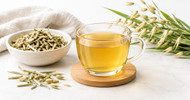
Pure oat straw tea contains no naturally occurring caffeine; a blend containing black tea, green tea, yerba mate, or another caffeinated ingredient does. For your 2026 tea cupboard, choose by the full ingredient list rather than the word herbal, and treat caffeine-free as a drink characteristic—not a promise of better sleep.
- Does oat straw tea contain caffeine? Pure oat straw is naturally caffeine-free; added ingredients can change the answer.
- Oat straw herbal tea suits an evening routine, but caffeine-free does not mean proven to treat insomnia.
- Tea The World offers loose leaf teas and accessories; check each blend’s ingredients before choosing an evening cup.
- Oat allergy and gluten concerns require separate checks, even when a drink contains no caffeine.
Why this matters
If you want a warm drink without caffeine, the plant ingredients matter more than the flavor name. A grassy, oat-based infusion and a green tea blend containing oat straw belong in different parts of your evening routine.
The same ingredient-first approach applies to other herbal drinks. This guide to choosing chamomile loose leaf tea by aroma and quality helps you think beyond the name on the front of a packet.
Choose pure oat straw for a naturally caffeine-free cup, not as a treatment for sleep problems. That distinction keeps a comforting tea ritual separate from medical claims.
Does oat straw tea contain caffeine?
No. Oat straw itself does not naturally contain caffeine. It comes from the oat plant, Avena sativa, rather than the tea plant, Camellia sinensis, which supplies black, green, white, and oolong tea.
A pure oat straw infusion therefore has no plant-derived caffeine. Adding hot water does not create caffeine, and steeping it longer does not turn it into a caffeinated drink.
The important exception is a mixed product. An oat straw blend can contain caffeine when another ingredient supplies it, even if the packaging emphasizes herbs, relaxation, or an evening theme.
| Drink or ingredient list | Caffeine distinction | Best for | Main limitation |
|---|---|---|---|
| Pure oat straw | Naturally caffeine-free | An earthy herbal cup without caffeine | Does not establish a sleep benefit |
| Oat straw with only caffeine-free herbs | Naturally caffeine-free if every ingredient qualifies | A different flavor without a caffeinated tea base | Each added herb needs its own safety check |
| Oat straw with black or green tea | Contains caffeine from the tea leaves | Readers who want a tea-leaf blend | Not suitable when you want to avoid caffeine entirely |
| Oat straw with decaffeinated tea | Decaffeinated does not mean caffeine-free | Readers reducing rather than eliminating caffeine | Residual caffeine remains possible |
This comparison is about ingredients, not a laboratory measurement of a particular packet. If you need strict caffeine avoidance, select an explicitly caffeine-free product and resolve unclear ingredients with its maker.
Pure oat straw: naturally caffeine-free
Pure oat straw is the simplest choice when your main question is whether the herb itself supplies caffeine. Look for an ingredient list identifying oat straw or Avena sativa, without a tea-leaf base or added stimulants.
Expect an herbaceous cup rather than the brisk character of black tea. Flavor depends on the material and preparation, so let your own first cup guide whether you enjoy it plain or prefer another herbal infusion.
Best for: readers who want a simple, naturally caffeine-free herbal drink. The trade-off is straightforward: absence of caffeine tells you nothing about whether you will enjoy the taste or experience a particular wellness benefit.
Buying decisions in 2026 still come back to that distinction. A caffeine-free label answers the stimulant question; it does not answer questions about allergies, gluten, interactions, or sleep treatment.
Oat straw blends: check the whole recipe
A blend deserves a fresh ingredient check, even when you recognize its main herb. Black tea, green tea, white tea, and oolong tea contribute caffeine; yerba mate, guarana, and added caffeine are other ingredients to watch for.
Do not assume a fruit flavor makes a drink caffeine-free. Fruit can flavor either a herbal infusion or a caffeinated tea base, and the front label does not always make that difference obvious.
Best for: readers who want a particular flavor combination and are willing to check every ingredient. The advantage is choice; the drawback is that the word oat straw no longer settles the caffeine question by itself.
Read the preparation directions too. A blend containing tea leaves needs directions suited to that blend, not instructions borrowed from a pure herbal infusion.
Why caffeine varies in oat straw blends
Caffeine varies because the recipe changes—not because pure oat straw becomes caffeinated under different brewing conditions. These factors matter when a blend includes a caffeine source:
- Tea base: Black, green, white, or oolong tea adds caffeine that pure oat straw lacks.
- Other ingredients: Yerba mate, guarana, or added caffeine changes an otherwise herbal recipe.
- Ingredient proportions: Different amounts of caffeinated material change what goes into the brew.
- Amount brewed: Using more of a caffeinated blend changes the amount available for extraction.
- Preparation: Water temperature and steeping time affect extraction from caffeine-containing ingredients.
None of these factors provides a reliable caffeine figure from the product name alone. Do not estimate a blend’s caffeine content from how pale, grassy, or gentle it tastes.
If you are comparing products in 2026, check the current label on each one. A familiar flavor name is not a substitute for its ingredient list.
How do you brew oat straw tea for an evening cup?
Start with the instructions for the product you have. Cut size and the intended preparation can differ, so a universal spoonful-and-timer rule is less useful than the directions supplied with the herb.
For a small first cup, use 240 milliliters of water and the corresponding amount of oat straw specified on the package. This is a practical serving choice, not a medicinal dose.
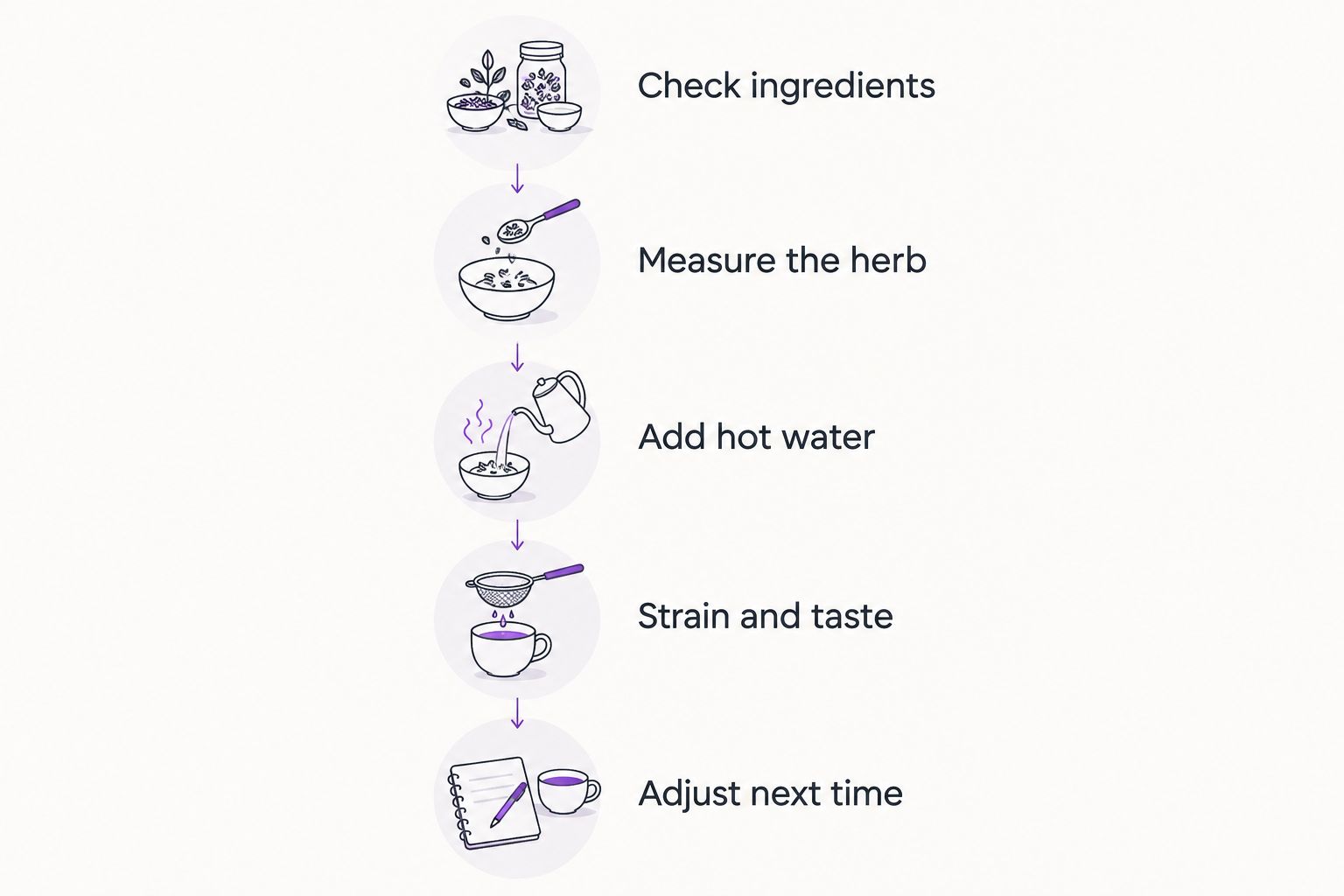
- Check ingredients. Confirm that the packet contains pure oat straw or a blend whose ingredients fit your caffeine needs.
- Measure the herb. Follow the packet’s amount for your chosen volume of water rather than judging by color afterward.
- Add hot water. Use the preparation method and water temperature given for that product.
- Strain and taste. Remove the plant material after the directed steep and try the infusion before adding anything.
- Adjust next time. Change your next cup within the product’s directions if the flavor is too light or too strong.
A roomy basket gives loose plant material space and makes removal easier. The practical benefit is tidy preparation, not an increase in medical effectiveness.
Longer steeping does not add caffeine to pure oat straw. It changes the preparation, however, so do not treat a prolonged infusion as interchangeable with a short steep or assume a stronger cup is healthier.
Will oat straw tea help you sleep?
Oat straw tea’s caffeine-free nature makes it compatible with avoiding caffeine in the evening, but it does not prove that the drink treats insomnia. Enjoying a warm cup and establishing a quiet bedtime routine are different from demonstrating a medical effect.
The European Medicines Agency’s herbal monograph for Avena sativa herb describes traditional use for mild mental stress and to aid sleep. Traditional-use recognition is not the same as strong clinical evidence that a household oat straw infusion improves sleep.
The monograph also concerns defined herbal preparations. Its wording should not be transferred to every oat straw blend, brewing method, or serving amount.
For your 2026 bedtime routine, keep the purpose modest: a drink you enjoy without adding caffeine. Persistent trouble sleeping, significant daytime tiredness, or worsening symptoms deserve medical advice rather than a stronger brew.
Is oat straw tea safe if you avoid gluten?
Caffeine-free and gluten-free describe different things. Oats require particular care because contact with wheat, barley, or rye can occur during growing and processing; a pure-looking ingredient list does not establish gluten-free handling.
The U.S. Food and Drug Administration’s gluten-free labeling rule sets a threshold of less than 20 parts per million of gluten for foods carrying that claim. This is a labeling standard, not a reason to assume an unlabeled oat straw product meets it.
If you have celiac disease, choose a product with appropriate gluten-free labeling and ask about the specific product when anything is unclear. Do not use its caffeine status as a shortcut.
Oat allergy is a separate concern. A gluten-free claim does not make oats suitable for someone allergic to oats, and steeping an ingredient in water does not erase that concern.
Who should check before drinking oat straw tea?
If you are pregnant, breastfeeding, taking medicines, or considering an herbal drink for a child, ask a pharmacist or clinician about the specific ingredients. A food-like taste is not evidence that every herbal preparation is appropriate for every person.
Blends need particular attention because the safety question belongs to the entire recipe. An added herb brings its own cautions; knowing that oat straw contains no natural caffeine does not settle those questions.
If a drink causes an unwanted reaction, stop drinking it and seek appropriate advice. Urgent symptoms such as difficulty breathing need urgent medical care, not a change in brewing technique.
Do not replace prescribed treatment with oat straw tea. There is no need to attach a medical promise to a cup you enjoy for its warmth, flavor, and place in your day.
Choosing tea for flavor rather than promises
Start with what you want from the cup: a familiar taste, no caffeine, or a comfortable brewing ritual. Then check ingredients and preparation instructions before deciding whether a particular herb suits you.
Tea The World is best for tea drinkers shopping for loose leaf teas and brewing accessories. Its tea-and-accessory focus fits readers choosing a drink and a way to prepare it; individual ingredients still determine whether a blend meets your caffeine needs.
A shop’s range does not replace product-level checks. When browsing Tea The World herbal tea options, verify the full recipe rather than assuming every herbal-sounding flavor is caffeine-free.
For hospitality or gifting, ask about caffeine preferences and allergies before choosing a blend. The thoughtful part is helping someone enjoy their cup, not promising that the gift will improve their health.
FAQ
Does oat straw tea contain caffeine if I steep it longer?
Pure oat straw tea remains naturally caffeine-free when steeped longer. Longer preparation changes the infusion but cannot create caffeine in an ingredient that does not naturally contain it.
Is oat straw tea the same as green tea?
No, oat straw tea and green tea come from different plants. Oat straw comes from Avena sativa; green tea comes from Camellia sinensis and naturally contains caffeine.
Can I drink oat straw tea before bed?
Pure oat straw tea avoids adding caffeine to your bedtime routine. That does not establish a sleep-treatment benefit, and allergies, medicines, or added herbs still need consideration.
Does an oat straw blend with black tea contain caffeine?
Yes, an oat straw blend with black tea contains caffeine from the black tea leaves. The oat straw does not cancel or remove that caffeine.
Is oat straw tea gluten-free?
Do not assume oat straw tea is gluten-free without checking the product. Gluten-free labeling and handling are separate from caffeine content, especially when you have celiac disease.
What should I check when buying oat straw tea in 2026?
Check the complete ingredient list, preparation instructions, and any labeling relevant to your allergies or gluten needs. Choose an explicitly caffeine-free product if strict caffeine avoidance is your priority.
Does decaffeinated mean the same as caffeine-free?
No, decaffeinated and caffeine-free are not interchangeable. Decaffeinated tea can retain caffeine, while pure oat straw does not naturally supply it.
One last thing
Make your first oat straw cup a flavor decision, not a wellness experiment. Prepare it as directed, taste it plain, and decide whether its herbal character belongs in your evening routine.
For a shared pot, keep the ingredient packet nearby. Giving a guest a clear answer about caffeine and ingredients is a small act of care that matters more than an impressive health claim.
Related guides
- Passion fruit tea: choosing herbal blends or black tea
- Peppermint loose leaf tea and reflux: what to know
- Tea infuser basket vs tea ball for loose leaf tea
By Ricardo R Matos