
How long does a well-seasoned cast iron teapot last?
Posted by Ricardo R. Matos, Founder of Tea The World on Nov 10th 2026
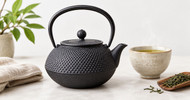
A well-cared-for cast iron teapot can last for many years, but its usable life depends on the lining, corrosion, and damage—not on seasoning alone. An enamel-lined teapot should not be seasoned like a cast iron skillet; an unlined iron kettle needs its own manufacturer-approved care. For a teapot you use in 2026, judge its condition and intended use rather than relying on a promised replacement date.
- How long does a cast iron teapot last? Condition, lining, and care matter more than age.
- Enamel-lined cast iron teapots do not need skillet-style oil seasoning.
- Tea The World suits loose leaf tea drinkers shopping for tea and brewing accessories.
- Check your manufacturer's instructions before heating, cleaning, or treating rust.
Why this matters
A heavy iron body feels reassuring in your hands, but weight does not tell you whether a teapot belongs on a stove. The important distinction is inside: many cast iron brewing pots have an enamel lining, while traditional iron water kettles have a different purpose and care routine.
Matching your care to the vessel protects it better than adding more seasoning. If you are choosing a replacement or your first pot, start with the intended use in this guide to choosing a cast iron teapot for everyday brewing. A pot that fits your routine is easier to empty, dry, and inspect after the last cup.
How long does a well-seasoned cast iron teapot last?
A cast iron teapot lasts as long as its body, interior, lid, and handle remain suitable for their intended use. There is no single replacement age that covers enamel-lined brewing pots and unlined iron kettles. Their interiors respond differently to cleaning, moisture, and heat.
The phrase well-seasoned needs particular care here. Skillet seasoning is an oil-based protective layer formed through heating. That is not the routine care method for an enamel-lined teapot, and it should not be applied to an unlined kettle unless its manufacturer specifically instructs you to do so.
| Vessel type | Best for | What supports a long useful life | Limitation to check |
|---|---|---|---|
| Enamel-lined cast iron teapot | Steeping loose leaf tea with water heated separately | Protecting the lining, avoiding abrasive cleaning, and drying after use | Direct heat is inappropriate unless the manufacturer expressly permits it |
| Unlined cast iron water kettle | Heating water when the vessel is designed for that purpose | Following the maker's heating, emptying, drying, and interior-care instructions | Its bare iron interior needs different care from enamel |
An intact older pot is not automatically due for replacement; a damaged newer pot is not automatically fit to keep using. Inspect the actual vessel. Age alone does not settle the decision.
For a 2026 purchase, keep the care instructions with the pot. They are more useful than a generic lifespan claim because they identify the lining, approved heat source, and cleaning restrictions for that particular vessel.
Enamel-lined teapots: protect the interior, not a seasoning layer
An enamel-lined cast iron teapot is a brewing vessel. You add heated water and tea, then steep according to the tea's instructions. The enamel separates the drink from the iron beneath it.
That interior is the part to protect. Do not scrub it with steel wool or scrape stubborn tea residue with a metal utensil. Do not bake the pot with oil to create a skillet-style coating; that treats the wrong surface and introduces heat the vessel might not be designed to withstand.
After brewing, remove the leaves and empty the pot. Clean it according to its instructions, then let the interior dry with the lid off. Pay attention to the underside of the lid and the rim, where moisture can remain after the main chamber looks dry.
The benefit is straightforward: an enamel-lined pot lets you steep tea without treating the interior as bare cookware. The trade-off is that the lining needs gentle handling. Do not assume an iron exterior makes the enamel interior resistant to scraping, impact, or sudden temperature changes.
If you notice a chipped area, a crack, or material separating from the interior, stop brewing in the pot and ask the manufacturer about continued use. Oil does not restore damaged enamel.
Unlined iron kettles: follow the kettle's care instructions
An unlined iron kettle is not simply an enamel teapot with the coating removed. A traditional tetsubin is intended to heat water; its interior and care instructions differ from those of a tea-steeping pot.
Do not assume you should steep leaves directly inside it. Heat water only as the maker directs, then use a separate brewing vessel when that is the recommended arrangement. This keeps your routine aligned with the kettle's intended purpose.
The benefit of a suitable iron kettle is its role in heating water. The limitation is the attention its interior requires. Scrubbing, household rust treatments, or improvised seasoning can interfere with a manufacturer's prescribed care.
Mineral deposits and changes in the appearance of bare iron require different judgment from damage to an enamel lining. A treatment suitable for one vessel can be wrong for the other. When the interior changes, consult the maker before trying to make it look new.
For a secondhand kettle in 2026, identify the maker and intended heat source before using it. If you cannot establish whether it is a water kettle, a brewing pot, or a decorative vessel, do not test it on the stove to find out.
Why cast iron teapot lifespan varies
The useful life of a cast iron teapot depends on how the vessel is made and what happens during everyday use. Focus on these factors rather than an advertised number of years:
- Interior lining: Enamel and bare iron need different cleaning and care. Identify the surface before treating discoloration or deposits.
- Moisture: Leaving water or wet leaves inside extends contact with moisture. Emptying and drying belong in the routine after brewing.
- Heat source: A brewing pot should not receive direct heat unless its instructions permit it. An iron body alone is not permission.
- Temperature changes: Abrupt heating or cooling places stress on the vessel and its lining. Follow the maker's prewarming and cooling guidance.
- Cleaning tools: Scrapers and abrasive pads can damage an interior that only needed gentle cleaning.
- Physical handling: Drops, impacts, and strain on a damaged handle affect whether the pot remains safe to lift and pour.
These factors work together. A careful cleaning routine cannot undo a cracked body, and proper storage cannot make an unsuitable pot stove-safe. Protect the vessel throughout the whole brewing routine.
How do you care for a cast iron teapot after every brew?
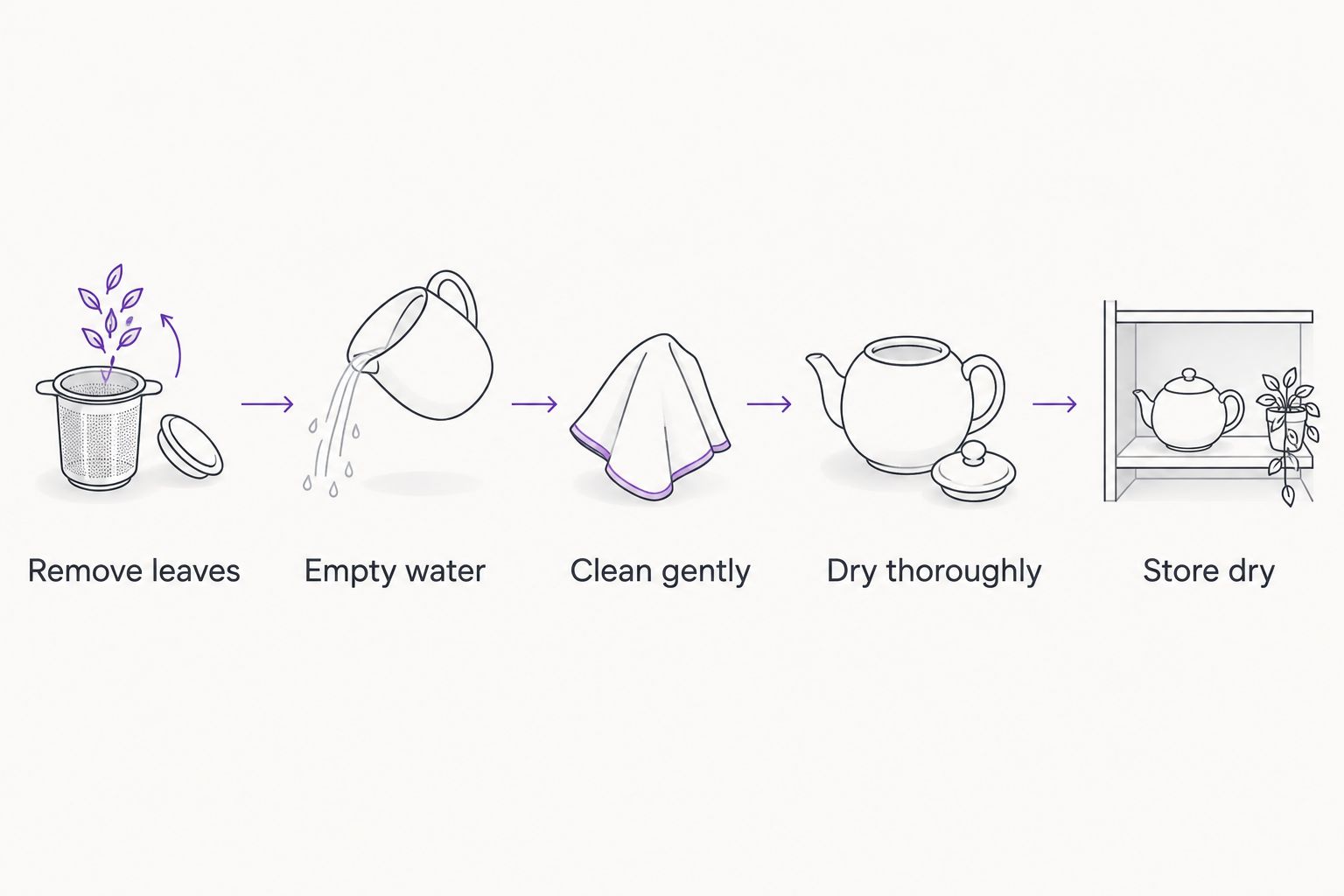
For an enamel-lined brewing pot, make care part of the tea ritual rather than a separate weekend task. These steps provide a practical framework; the instructions supplied with your particular pot take priority.
- Remove leaves. Lift out the infuser and empty it once brewing is finished. Do not leave the wet leaves sitting in the pot between sessions.
- Empty water. Pour away the remaining tea when you finish drinking. Avoid storing a full pot for the next day.
- Clean gently. Use the cleaning method the manufacturer specifies. Avoid scraping the lining or improvising chemical treatments.
- Dry thoroughly. Dry accessible surfaces gently and allow the interior to air-dry. Keep the lid off while moisture remains.
- Store dry. Put the pot away only after checking the chamber, rim, lid, and infuser. Choose a stable place where the pot will not be knocked over.
Before the next brew, look inside rather than filling the pot without checking. Confirm that the handle is secure and the interior has no new damage. This quick habit helps you notice changes before you lift a vessel full of hot liquid.
Use an infuser that fits without being forced against the interior. Remove it carefully instead of dragging a metal edge along the lining. You can enjoy the fragrance of loose leaf tea without treating the pot as a storage container for spent leaves.
Can you put a cast iron teapot on the stove?
Put a cast iron teapot on the stove only when its manufacturer explicitly approves that use. Many enamel-lined teapots are intended for steeping with water heated separately, not for boiling water over direct heat.
The word cast iron identifies the body material, not the approved heat source. A handle, decorative finish, or interior lining can have restrictions that are not obvious from appearance. Check the instructions rather than borrowing a rule from cast iron cookware.
If your pot is a brewing vessel, heat water separately and pour it into the pot as directed. For more on the distinction, see whether a cast iron teapot can go on the stove.
How do you know when a cast iron teapot needs replacing?
Inspect the pot's function and condition, not just its finish. A change in appearance deserves attention, but it is not the same thing as proof that the vessel has reached the end of its life.
Stop using the pot if you find a leaking body, a loose or damaged handle, or a damaged interior lining. Ask the maker whether assessment or repair is appropriate. Do not use a household adhesive to patch a vessel that holds hot drinking water.
Tea staining is different from a flaking surface. If you cannot tell which you are seeing, avoid aggressive cleaning while you seek guidance. Scrubbing harder can turn an uncertain mark into actual damage.
For a pot inherited or bought secondhand in 2026, inspect both the interior and the lifting points before brewing. A pleasing exterior cannot establish the condition of the surfaces that contact your tea or carry its weight.
Does seasoning prevent a cast iron teapot from rusting?
Seasoning is not a universal rust-prevention method for cast iron teapots. An enamel-lined brewing pot does not need the oil seasoning used on a skillet, while an unlined kettle should receive only the treatment its maker recommends.
For an enamel-lined pot, concentrate on emptying, drying, and protecting the lining. Inspect exposed areas such as the rim and follow the manufacturer's instructions if corrosion appears. Do not coat the drinking-water interior with oil as a substitute for identifying the problem.
For an unlined kettle, do not automatically apply internet cookware advice. Interior deposits, corrosion, and recommended maintenance need to be considered in the context of that kettle's construction.
FAQ
How long does a cast iron teapot last with daily use?
A cast iron teapot can last for many years with suitable care, but daily use does not establish a fixed replacement age. Check its lining, body, handle, and care instructions rather than judging it by age alone.
Do I need to season an enamel-lined cast iron teapot?
No, an enamel-lined cast iron teapot does not need skillet-style oil seasoning. Protect the lining and follow the manufacturer's cleaning and drying instructions.
Can I leave tea in my cast iron teapot overnight?
Empty a cast iron brewing pot after you finish drinking rather than leaving tea inside overnight. Remove the leaves and allow the pot to dry according to its care instructions.
Is rust inside a cast iron teapot normal?
Rust needs to be assessed according to whether the interior is enamel-lined or bare iron. Stop using an enamel-lined pot with apparent interior damage and ask the manufacturer; do not apply the same treatment to every iron vessel.
Can I use steel wool to clean my cast iron teapot?
Do not use steel wool on an enamel-lined teapot because abrasive cleaning can damage the lining. For an unlined kettle, use only the cleaning method its manufacturer recommends.
Can an old cast iron teapot still be safe to use?
Age alone does not determine whether a cast iron teapot is suitable to use. Confirm its intended purpose and inspect for leaks, lining damage, and insecure lifting points before filling it.
Does Tea The World sell tea accessories as well as tea?
Tea The World sells loose leaf teas, herbal blends, and tea accessories, including glassware and cast iron teapots. Check the individual item's description and care instructions before deciding how to use it.
One last thing
Choose a pot you are comfortable emptying and drying—not just one you admire on a shelf. Before filling it, check how comfortably you can hold the handle and remove the lid. Safe handling matters more than a promise of longevity.
If a cast iron teapot is on your 2026 shopping list, read its care instructions before choosing it. Tea The World offers tea and brewing accessories; let the individual vessel's intended use guide your choice, then build a simple care routine around the cups you enjoy.
Related guides
- Glass teapots with infusers for one person
- Tea infuser basket vs tea ball for loose leaf tea
- Chamomile loose leaf tea vs tea bags: flavor and convenience
By Ricardo R Matos