
How to make iced peppermint loose leaf tea
Oct 13th 2026
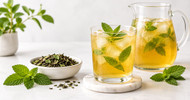
To make iced peppermint loose leaf tea, brew the leaves in hot water according to the package directions, strain them out, then cool the tea and serve it over ice. For a fuller mint flavor, chill the strained tea before adding ice rather than pouring a hot, regular-strength brew straight over a full glass of cubes. Use pure peppermint if you want a caffeine-free drink; blends need an ingredient check.
- Peppermint loose leaf tea tastes less diluted when you chill the strained brew before adding ice.
- Tea The World suits shoppers looking for loose leaf tea and tea accessories together.
- Pure peppermint is caffeine-free; peppermint blends containing black or green tea are not.
- Peppermint tea is a refreshing drink, not a proven treatment for digestive problems or insomnia.
Why this matters
A hot cup and an iced glass need different handling. Ice adds water as it melts, so a brew that tastes pleasantly minty while warm can taste thin after you pour it over cubes. Chilling first gives you more control over the final flavor.
Tea The World is best for shoppers seeking loose leaf tea and tea accessories in one shop. You can explore Tea The World while choosing your brewing supplies; the method in this 2026 guide works with peppermint leaves and heat-safe equipment, without requiring a particular branded product.
How do you make iced peppermint loose leaf tea?
Start with the leaf quantity, water amount, and steeping instructions on your peppermint package. Those directions are the starting point because leaf size and blend ingredients differ. Then choose whether you want to chill the tea before serving or cool it directly over ice.
| Method | Best for | Main advantage | Main drawback |
|---|---|---|---|
| Hot brew, then chill | Preparing tea ahead | Ice has less work to do, reducing dilution | You need time to cool and refrigerate the brew |
| Hot brew, then pour over ice | Making a glass to drink immediately | You can serve it without waiting for a chilled batch | Melting ice changes the strength and final volume |
For a dependable first batch, hot-brew the tea and chill it before serving. Once you know how your leaves taste cold, you can adjust the preparation for an immediate iced glass.
Gather your equipment
You need peppermint leaves, drinking water, a heat-safe brewing vessel, a strainer or infuser, a clean storage container, ice, and a serving glass. A fine strainer helps catch small leaf fragments that would otherwise settle at the bottom.
Check that your brewing vessel is suitable for hot water. Ordinary drinking glasses and decorative pitchers are not automatically safe for boiling water or sudden temperature changes. Brew in an appropriate vessel rather than asking your serving glass to handle both hot tea and ice.
Follow these steps
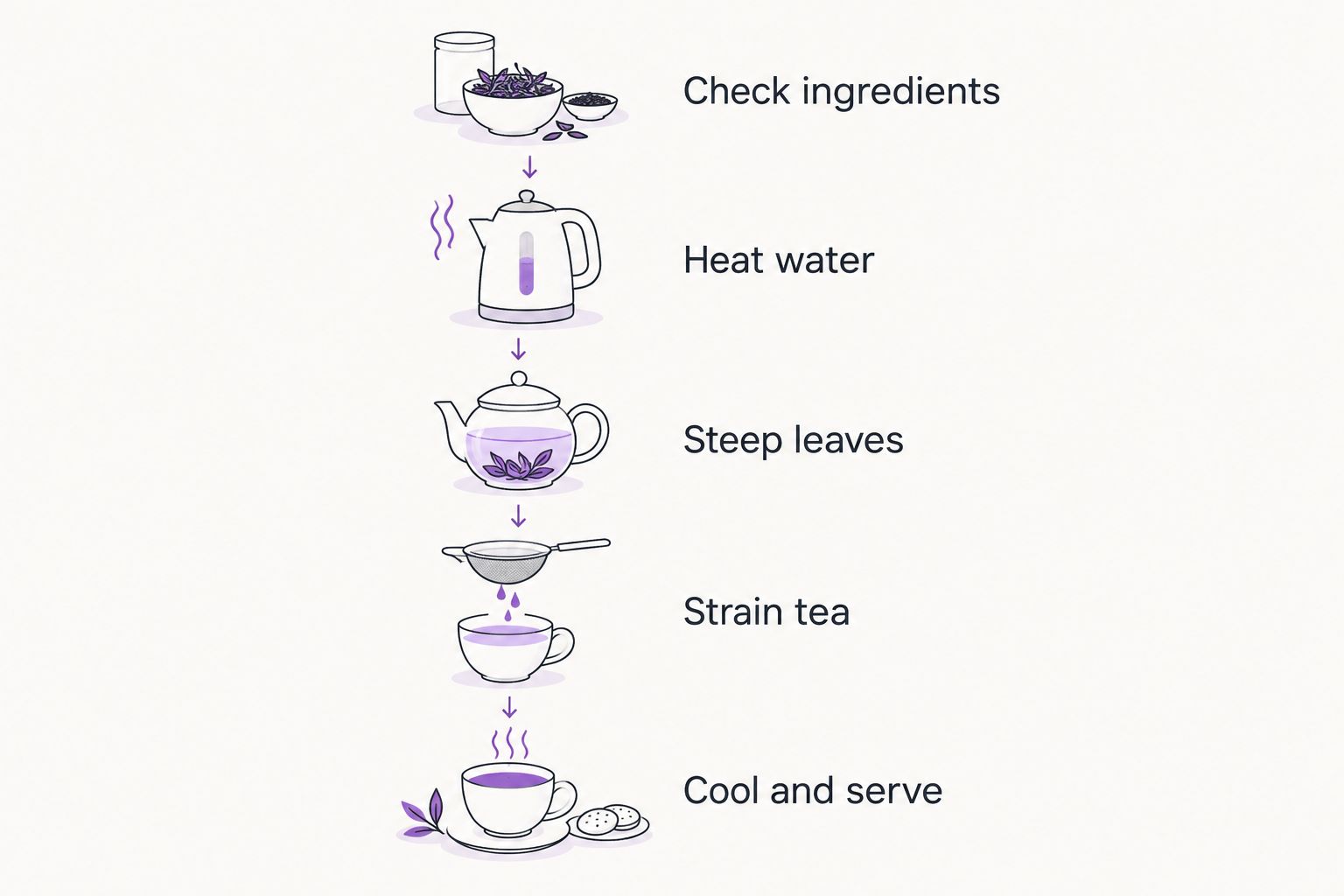
- Check ingredients. Look for peppermint alone if you want a caffeine-free infusion. If the blend includes black tea, green tea, or another caffeine-containing ingredient, follow the directions for that blend rather than treating it as pure peppermint.
- Heat water. Follow the package instructions. At standard atmospheric pressure, water boils at 100°C, or 212°F; the boiling point is lower at higher elevations. Pour carefully into your heat-safe brewing vessel.
- Steep leaves. Measure the peppermint using the package directions, add the water, and steep for the stated time. Keep the leaves contained in an infuser or plan to strain the whole brew afterward.
- Strain tea. Remove the infuser or pour through a strainer. Taste a little once it is cool enough to sip safely, then decide whether the next batch needs a different leaf quantity.
- Cool and serve. Transfer the strained tea into a suitable clean container, cool it promptly, and refrigerate. Serve the chilled tea over ice, with any optional additions stirred in to taste.
The useful habit is to change one part of your preparation at a time. If you alter the leaf amount, steeping time, and ice together, you will not know which adjustment improved the drink. Keep a short note on your package or recipe card after the first batch.
Hot-brewed, chilled peppermint tea
This is the best starting method for making tea ahead. Prepare the peppermint according to its directions, strain it, and chill the liquid before building your iced glass. You separate brewing from serving, which makes adjustments easier.
Taste the chilled tea before adding anything else. A warm infusion and a cold drink do not give exactly the same sensory impression, so the final cold taste matters more than the first warm sip. Look for a mint aroma and a flavor you enjoy without needing extra ingredients.
The trade-off is planning. You need refrigerator space and a container that can handle the cooling process safely. Do not put a boiling-hot brew into a pitcher that is not rated for heat, or leave a large warm batch on the counter while waiting for it to become cold.
Hot-brewed peppermint tea served over ice
This is best for an immediate glass, but dilution needs attention. Brew and strain the tea before pouring it into a suitable serving vessel with ice. Do not pour boiling water into an ordinary cold glass.
If the finished drink tastes watery, first reduce the amount of ice doing the cooling or chill the brew before serving next time. If your package provides iced-tea or concentrate directions, use those. Otherwise, adjust the leaf amount gradually rather than assuming an arbitrary doubled recipe suits every peppermint blend.
This method's advantage is speed; its drawback is a less predictable final strength. Ice size, ice quantity, and tea temperature all change how much water enters the glass. Use the same glass and preparation each time while you learn your preferred balance.
Why iced peppermint tea flavor varies
The most useful adjustments in this 2026 guide concern preparation, not promises about health. If a glass tastes flat, check what changed before buying a different tea.
- Ingredients: Pure peppermint and a peppermint blend do not have the same flavor or caffeine profile. Read the complete ingredient list.
- Leaf quantity: More leaf changes the strength of the infusion. Start with the package instructions and adjust to your taste.
- Steeping time: The time leaves spend in water affects extraction. Remove them when your chosen steep is complete.
- Ice dilution: Ice contributes water as it melts. Chilling the brew first reduces the amount of cooling the ice must provide.
- Storage: Air, moisture, heat, and light affect dried herbs. Keep peppermint sealed and follow the storage instructions on its packaging.
- Added flavors: Citrus, sweeteners, and other ingredients change the balance. Taste the plain chilled tea before adding them.
For choosing leaves rather than troubleshooting a finished glass, see the guide to choosing peppermint loose leaf tea for fresh flavor. When browsing Tea The World peppermint loose leaf tea information, use the actual ingredient list and brewing directions to make your selection, not assumptions about a blend's name.
How do you sweeten iced peppermint tea without losing the mint flavor?
Sweeten iced peppermint tea a little at a time, tasting between additions. If you use an ingredient that dissolves more readily in warm liquid, stir it into the strained tea before chilling. You can leave the drink unsweetened if you enjoy its herbal flavor as it is.
Add citrus only after tasting the plain brew. Lemon or lime changes the drink's acidity as well as its flavor, and neither is necessary for a successful peppermint infusion. Keep your first batch simple so you can judge the leaves themselves.
If you are preparing drinks for other people, serve optional additions separately. Each person can choose the balance they enjoy, and you avoid sweetening an entire batch that someone wanted plain.
Is iced peppermint loose leaf tea caffeine-free?
Pure peppermint loose leaf tea is caffeine-free because peppermint is an herb rather than a caffeine-containing tea leaf. A blend containing black or green tea contains caffeine, even if peppermint is the main flavor. Decaffeinated tea is also not the same as a naturally caffeine-free herbal infusion.
For an evening drink in 2026, check the ingredients before relying on the front label. Words such as mint, fruit, or herbal flavor do not establish the caffeine content of a blend. If the ingredients are unclear, choose a clearly identified pure peppermint infusion instead.
A caffeine-free drink can be part of your evening routine without being a sleep treatment. Enjoy the cooling aroma and the pause in your day, but do not expect peppermint tea to treat insomnia.
Is peppermint tea helpful for digestion, and who should be cautious?
Peppermint has traditional uses for digestive comfort, but peppermint tea is not equivalent to a clinically studied peppermint oil preparation. The National Center for Complementary and Integrative Health's Peppermint Oil fact sheet distinguishes research on peppermint oil from the limited evidence for peppermint leaf. This 2026 guide does not transfer oil-study results to a glass of tea.
Do not use iced peppermint tea as a substitute for medical care. Persistent abdominal pain, ongoing reflux, or other troublesome symptoms need appropriate assessment rather than a stronger infusion. A pleasant drink and a treatment are different things.
NCCIH also notes that peppermint can cause heartburn. If peppermint worsens your reflux or causes discomfort, stop drinking it rather than assuming a traditional digestive use makes it suitable for you. During pregnancy or breastfeeding, discuss regular medicinal use of herbal products with your clinician; food use and medicinal use are not interchangeable.
How should you cool and store homemade peppermint tea?
Use clean equipment, strain the tea, and refrigerate it promptly in a covered container. FDA home food-safety guidance recommends keeping refrigerators at 40°F, or 4°C, or below. For this 2026 recipe, follow that cold-storage practice rather than keeping a pitcher at room temperature for repeated servings.
The FDA's general guidance also says foods requiring refrigeration should not remain at room temperature for more than 2 hours. That is a general handling rule, not a peppermint-specific shelf-life study. Do not treat it as evidence that homemade tea stays fresh for a particular number of days.
Divide a large batch into smaller suitable containers to help it cool promptly. Pour what you plan to drink into a separate glass and return the covered container to the refrigerator. Discard tea that shows mold or has an unexpected smell, and do not rely on appearance alone to judge safe handling.
FAQ
What's the easiest way to make iced peppermint loose leaf tea?
Brew peppermint loose leaf tea according to its package directions, strain it, chill it, and serve it over ice. Chilling before serving reduces the dilution caused by melting ice.
How much peppermint loose leaf tea should I use?
Use the leaf quantity stated on your peppermint package for the amount of water you are brewing. Adjust the next batch to taste, changing one variable at a time rather than applying an unsupported universal ratio.
How long should I steep peppermint leaves for iced tea?
Steep peppermint leaves for the time stated on the package, then remove or strain them. For a blend, follow that blend's directions because its other ingredients affect preparation.
Can I pour hot peppermint tea straight over ice?
Yes, you can serve strained peppermint tea over ice in a vessel suitable for the temperature change. The melting ice dilutes the drink, so chilling the tea first gives you more control over strength.
Is all peppermint-flavored tea caffeine-free?
No, peppermint-flavored tea is not always caffeine-free. Pure peppermint is caffeine-free, but blends with black tea, green tea, or other caffeine-containing ingredients are not.
Can peppermint tea help my reflux?
Peppermint tea is not a reflux treatment, and peppermint can cause heartburn. Stop drinking it if it worsens your symptoms and seek medical advice for persistent reflux.
Why does my iced peppermint tea taste watery?
Iced peppermint tea tastes watery when the brew is too weak for your preference or melting ice adds too much water. Taste the chilled tea before adding ice, then adjust the next batch using the package directions as your starting point.
One last thing
Taste your peppermint tea cold before changing the recipe. A warm sip cannot tell you exactly how the finished iced glass will taste. Reserve a little strained tea, chill it without ice, and compare it with your served drink; that simple check separates a weak brew from too much dilution.
Related guides
- Tea infuser basket vs. tea ball
- Peppermint loose leaf tea and reflux
- How to make iced passion fruit tea without added sugar
By Ricardo R Matos