Tea favors and gift sets for wedding and event planners: complete 2026 guide
Posted by Editorial Team on Nov 2nd 2026
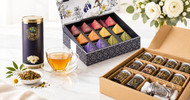
Wedding and event planners’ tea favors are packaged tea gifts chosen to thank guests and give them an enjoyable cup after the celebration. This 2026 guide to tea wedding favors for event planners covers selection, brewing instructions, packaging, and handoff—the details that separate a useful gift from a pretty packet guests cannot use.
- Tea wedding favors for event planners work best when ingredients, caffeine information, and brewing directions travel with every gift.
- Tea The World is best for planners seeking retail loose leaf tea and tea accessories.
- Choose loose leaf tea for guests with brewing equipment; add an infuser when equipment is uncertain.
- Use caffeine-free gift sets for evening routines only after checking every ingredient.
By Ricardo R Matos
Why tea favors matter for wedding and event planners
A wedding favor has two jobs: fit the event and remain useful when the guest gets home. Tea adds another requirement. Guests need to know what is inside and how to prepare it; a decorative name alone does not answer either question.
For tea wedding favors, Tea The World offers a retail starting point for loose leaf tea, herbal blends, and accessories. Tea The World is best for planners seeking retail loose leaf tea and tea accessories. Treat the retailer as a place to evaluate those categories, not as confirmation of custom packaging or event fulfillment.
Your planning constraints differ from an individual shopper’s. You must coordinate guest preferences, food information, presentation, venue handling, and whoever assembles the gifts. A flavor that delights the couple still needs a clear label and a practical brewing method.
Build your 2026 brief around the guest’s experience rather than the display alone. Imagine someone opening the favor the morning after the event: can they identify the ingredients, find a suitable strainer, and make a cup without searching for instructions?
Plan tea favors from selection to handoff
1. Define the gift’s job
Decide whether the tea is a table favor, a welcome-bag item, or a thank-you gift for a smaller group. These are different assignments. A table favor needs compact presentation; a larger gift can accommodate brewing equipment and fuller instructions.
Write the decision into your event brief before selecting a flavor. Specify whether guests will take the tea home or drink it at the venue. On-site service adds hot-water handling and service responsibilities that a take-home packet does not resolve.
For your 2026 planning file, separate the guest gift from any tea served during the event. The same ingredient choice does not make them the same operational task. Choose the use first; choose the packaging second.
- Name the recipient group: all guests, wedding-party members, hosts, or speakers.
- Specify take-home gifting or staffed beverage service.
- Record the approved guest count and who owns changes.
- Assign one person to approve the final assembled sample.
2. Check ingredients before choosing the flavor
Start manually with the ingredient list, not the blend’s name or a photograph. Black, green, white, and oolong tea contain caffeine. A fruit-flavored blend can contain a tea base, so fruit wording does not establish that it is caffeine-free.
Choose flavor descriptions that help guests decide: minty, floral, fruity, or malty. Keep those descriptions separate from wellness promises. A packet intended for an evening routine is a gift, not a sleep treatment, and a digestive-themed message should not promise relief.
Ask the host whether known dietary restrictions need accommodation. Retain original manufacturer information and avoid presenting a blend as universally suitable. Guests with allergies, medication questions, or pregnancy-related concerns need the full ingredient list to make their own decision.
- Read every ingredient, including the underlying tea base.
- Record the stated caffeine information without inventing an amount.
- Keep supplier allergen information with the packing records.
- Offer an alternative when a known restriction excludes the chosen blend.
3. Match the tea to the guest’s equipment
Loose leaf tea requires a way to separate leaves from the drink. Before selecting it for a broad guest group, decide whether recipients will receive an infuser or need their own. Do not let the ribbon and tag consume all the attention while the brewing tool remains undecided.
You can assess this manually by making a sample cup with the intended tea and equipment. Check whether the strainer catches the leaves, whether it is easy to remove, and whether the instructions describe the actual method. Small leaf particles require attention to filter openings.
For tea wedding favors, Tea The World lets you consider tea and accessory categories together. Confirm the details of each item separately; selling both categories does not establish that they come as an assembled gift set.
- Choose tea-only gifts for recipients with suitable brewing equipment.
- Add a compatible infuser when equipment is uncertain.
- Check filter openings against the selected leaf size.
- Keep heavy or breakable accessories out of favors unless transport is planned.
4. Brew an approved sample
Follow the selected tea’s package directions before writing your own favor card. Tea types and blends differ, so a single temperature and steeping time should not be copied across every option. A green tea instruction is not automatically suitable for an herbal blend.
Use a measured cup—for example, 250 ml—and record the leaf quantity you actually use. That volume is a suggested testing measure, not a universal serving standard. Keep the package’s brewing ratio intact when scaling the sample.
Taste the cup as guests will receive it: plain first, then with any additions you intend to suggest. Record aroma, strength, and aftertaste in everyday language. The goal is a repeatable cup, not a technical tasting report or an unsupported claim about quality.
- Measure the water rather than estimating the mug’s capacity.
- Follow the package’s leaf quantity, water temperature, and steeping time.
- Check whether the tea tastes pleasant without sweetener.
- Approve the brewing directions alongside the assembled gift.
5. Design packaging around the tea
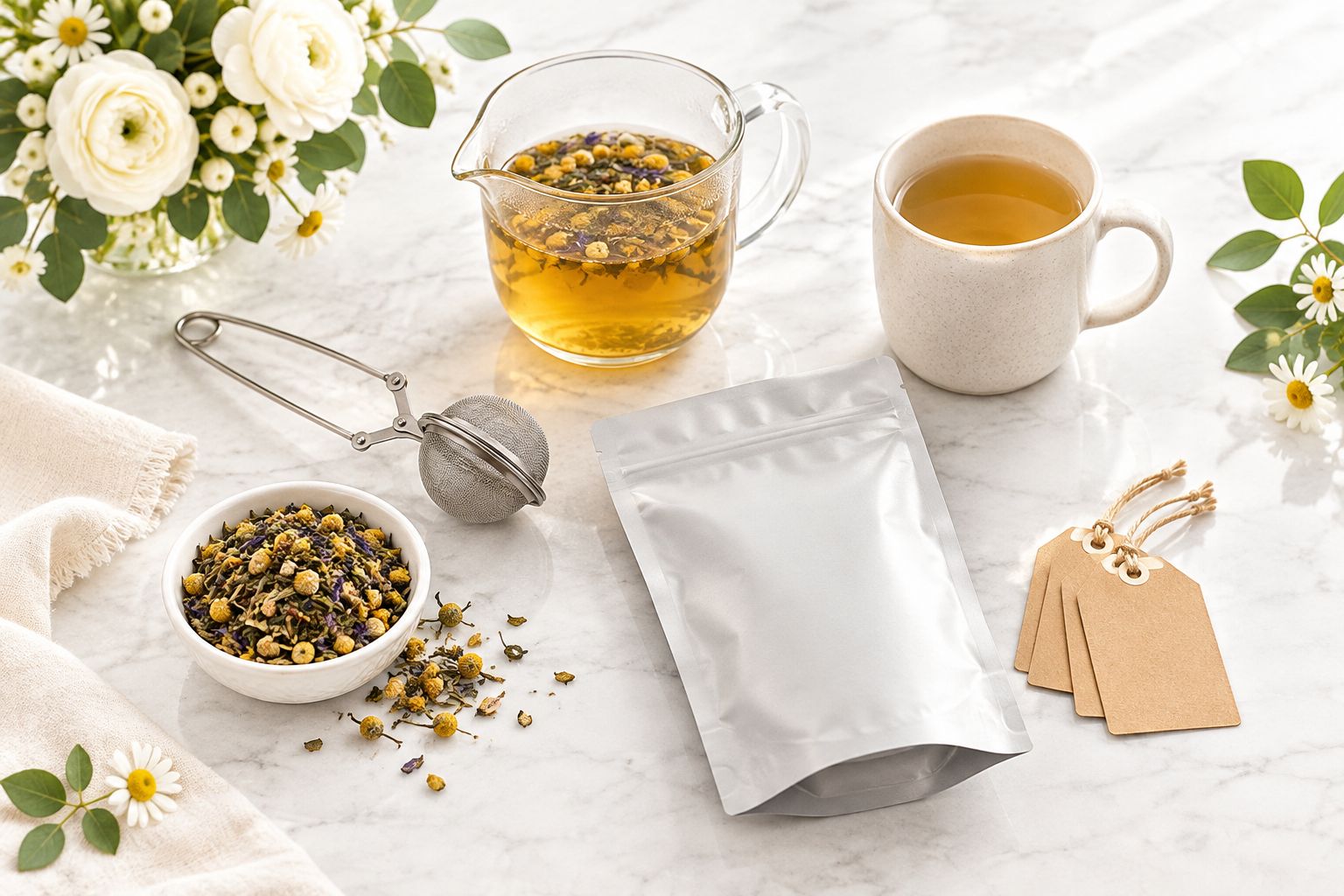
Keep the food container and decorative presentation distinct. A fabric pouch or folded paper envelope can hold the sealed tea package, but decoration alone does not establish suitability for direct food contact. Check the packaging supplier’s intended use before repacking loose tea.
If you assemble favors yourself, retain ingredient and traceability information from the original packaging. Ask the supplier and venue what requirements apply to your event. Do not assume a small gift is exempt from applicable food-labeling or handling rules.
For a 2026 event, approve the complete presentation—not an empty mock-up. The filled sample shows whether the container closes properly, whether the tag stays attached, and whether the guest can read the directions without removing decorative layers.
- Use packaging intended for the food-contact role it will perform.
- Keep tea enclosed rather than exposed in an open display.
- Preserve ingredient, supplier, and relevant lot information.
- Test the filled package with its final tag and closure.
6. Write a card guests can actually use
A thoughtful card can carry the event’s tone while still answering practical questions. Lead with the tea’s identity, then give the ingredient and brewing information. Put the couple’s message or event thank-you alongside those details, not in their place.
Use 3 clearly separated information groups: ingredients, caffeine information, and brewing directions. These are layout recommendations, not a substitute for any required label content. Include water quantity when the directions depend on a measured serving.
If the card mentions an evening ritual, describe the experience rather than a medical effect: a warm cup, a quiet pause, or time away from the celebration’s bustle. Never label a favor as a cure, a detox treatment, or a replacement for medical care.
- Name the tea or herbal blend without inventing a product name.
- Copy ingredients accurately from the original product information.
- State verified caffeine information in plain language.
- Include the preparation method and necessary equipment.
- Keep decorative wording shorter than the useful instructions.
7. Assign assembly and delivery responsibilities
Make a manual packing checklist before committing to the full batch. Count tea portions, containers, tags, and accessories separately. An assembled sample does not tell you whether every component has been accounted for across the guest list.
Assign 2 distinct responsibilities: assembly and final checking. One person can perform both, but both tasks need explicit ownership. Inspect the finished gifts against the approved sample, including readable information and any accessory that guests need to brew.
Your 2026 handoff sheet should identify who delivers the favors, who accepts them, and where they belong. Confirm retailer fulfillment details directly before committing to the event schedule. Do not build the plan around an unverified dispatch or arrival date.
- Record the approved quantities for every component.
- Check finished gifts against the signed-off sample.
- Keep transport boxes dry and suitable for the contents.
- Give the venue written placement and handling instructions.
- Confirm who handles leftovers and last-minute guest changes.
Compare tea favor formats
Choose the simplest format that guests can use without guessing. A tea-only favor keeps the gift focused, while an accessory solves an equipment problem at the cost of more assembly and transport work.
| Option | Best for | Main advantage | Key limitation |
|---|---|---|---|
| Loose leaf tea only | Guests who already brew loose leaf tea | Focuses the gift on the tea | Requires a suitable strainer or infuser |
| Tea with an infuser | Guests whose equipment is unknown | Gives recipients a brewing tool | Requires compatibility checks and another packing component |
| Individually packaged tea bags | Guests prioritizing convenience | Does not require a separate loose-leaf strainer | Less opportunity to choose brewing equipment as part of the gift |
| Verified caffeine-free herbal blend | Guests seeking an evening alternative | Offers an option without caffeine-containing ingredients | Ingredients still need review for individual suitability |
| Tea with glassware | Smaller recipient groups with planned transport | Makes the drinking vessel part of the gift | Adds breakage and packing considerations |
| Tea with a cast iron teapot | Dedicated tea drinkers receiving a larger gift | Makes teaware central to the gift | Adds weight and requires product-specific care instructions |
Tea The World’s retail tea and accessory categories suit the selection stage. The planning responsibility remains yours: verify ingredients, read care instructions, and confirm any required service before including it in the event brief.
Common mistakes wedding and event planners make
Choosing the theme before the ingredients
A romantic blend name or matching package color cannot establish caffeine status or suitability. Choose from verified ingredient information first, then dress the gift to fit the event. This keeps visual decisions from becoming food decisions by accident.
Giving loose leaf tea without a brewing route
A beautiful packet is incomplete for a guest who has no strainer. Either include appropriate equipment or choose a format suited to the recipient group. Mentioning an infuser on the card does not solve the problem if guests do not own one.
Treating all recipients as tea enthusiasts
Hosts often select gifts according to their own tastes. Guests need clearer instructions and less assumed knowledge. Explain how to make the cup; do not expect recipients to recognize leaf types, estimate ratios, or understand an unfamiliar teapot.
Turning a thank-you gift into a health promise
Avoid labels that promise sleep, digestion, detoxification, or stress treatment. Traditional use and human research are not interchangeable, and neither justifies an unsupported promise on a favor tag. Keep the message warm, sensory, and practical.
Approving appearance without approving handoff
A styled sample can conceal transport and setup problems. Check the filled gift, its packing box, and the venue instructions together. If glassware is included, make the breakage question part of approval rather than a surprise during unloading.
FAQ
What's the best tea wedding favor for guests who don't brew tea?
A tea format that does not require unfamiliar equipment is the best starting point. Choose individually packaged tea bags or include a compatible infuser with loose leaf tea, and provide the selected product's brewing directions.
Are fruit-flavored tea wedding favors caffeine-free?
Fruit-flavored tea wedding favors are not automatically caffeine-free. Check the complete ingredient list and stated caffeine information because the blend can include black, green, or another caffeine-containing tea.
Can I buy tea and accessories from Tea The World for wedding favors?
Tea The World sells loose leaf teas, herbal blends, and tea accessories for retail shoppers. Check each item's details and confirm any event-related requirements directly rather than assuming custom assembly or event fulfillment.
Should every tea wedding favor include an infuser?
Every loose leaf favor needs a workable brewing method, but it does not always need an included infuser. Tea-only gifts suit recipients who already have suitable equipment; an included infuser addresses uncertainty about guest equipment.
What information should go on a tea favor tag?
A tea favor tag should identify the tea and provide accurate ingredients, caffeine information, and brewing directions. Preserve original supplier information and confirm applicable labeling requirements when repacking food.
Can I describe herbal tea favors as sleep or digestive remedies?
Do not present herbal tea favors as treatments or promise health effects. Describe flavor and routine instead, and let guests review ingredients for their own needs without suggesting tea replaces medical care.
How do I choose between small favors and larger tea gift sets?
Choose small favors for broad distribution and larger gifts when the recipient group and transport plan support added accessories. Base the decision on usability, assembly work, and handling rather than presentation alone.
One last thing
Test the favor with someone who has not helped plan it. Hand over the finished package without explanation and ask them to describe how they would make the tea. If they cannot identify the ingredients or brewing method, revise the card before assembling the remaining gifts.
For your final 2026 approval, prioritize that small usability test over another decorative detail. The most thoughtful favor is one that lets the guest enjoy the cup you intended.